—
image credit: mindful schools
—
image credit: mindful schools
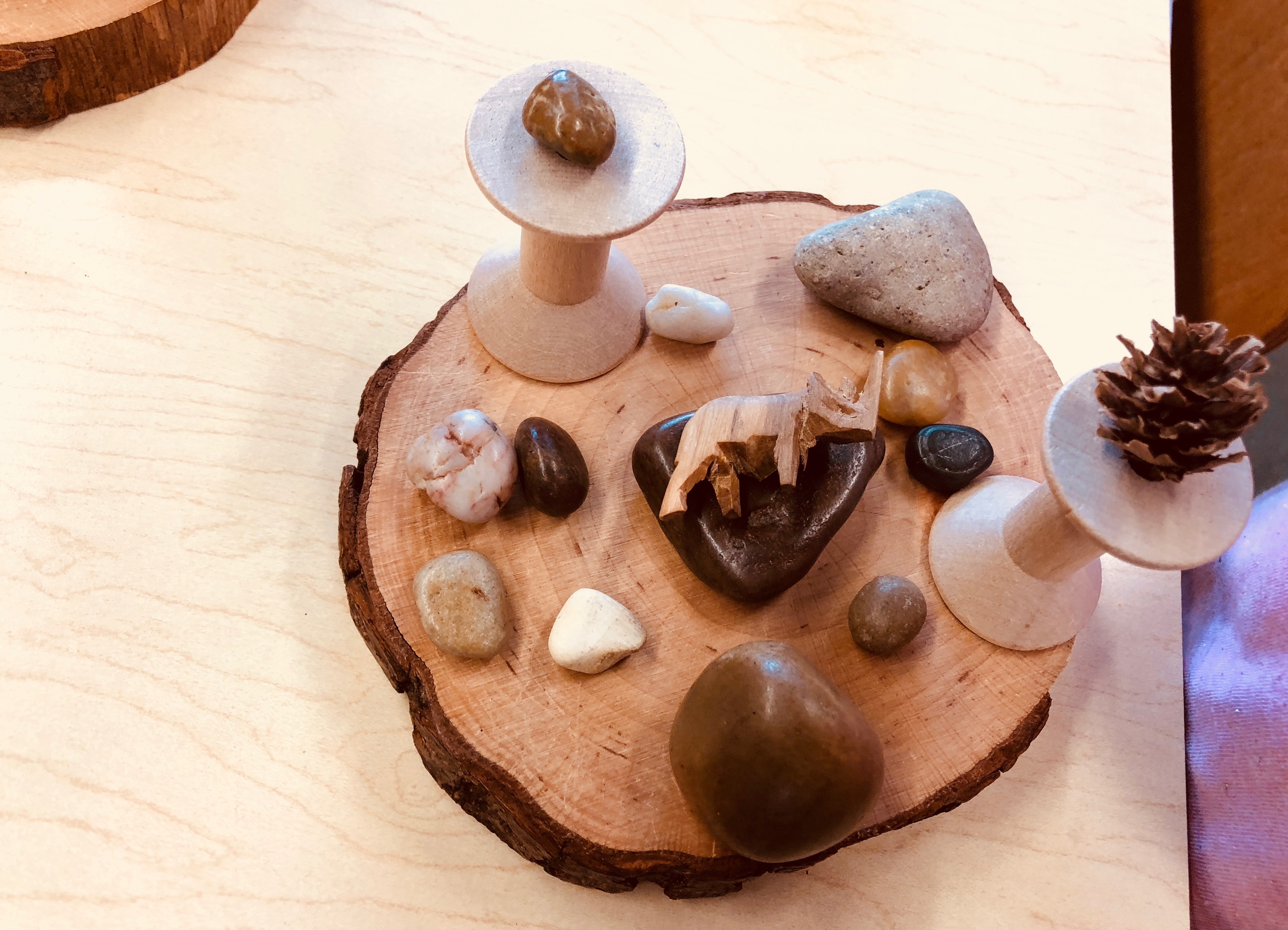
sweet kinder
creates a beautiful and comfortable bed
for the rhino with the broken foot
so that he has a place to lie down
and recover in peace.
—
“as great scientists have said and as all children know,
it is above all by the imagination
that we achieve perception, and compassion, and hope.”
-ursula k. le guin
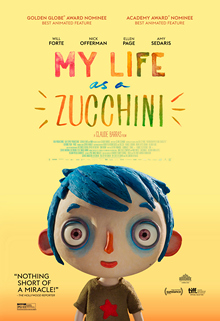
there is so much strength and emotion
packed into this 70 minute little film
i am left not knowing exactly what to say.
directed by claude bars
a joint swiss/french
stop-motion animation creation
later re-voiced in english
with unforgettable characters
so tiny
yet larger than life
their huge eyes
mirror their huge troubles, emotions, lives
their fight for survival
and their desperate search to find a way
to open their wounded hearts once again.
it is a testament to the resilience of the human heart
and the power of love and friendship in the face of adversity.
—
(French: Ma vie de Courgette; also titled My Life as a Zucchini), was screened in the Directors’ Fortnight section at the 2016 Cannes Film Festival. This is the second adaptation of Gilles Paris’ 2002 novel Autobiographie d’une Courgette, as there was a French live-action television film adaptation called C’est mieux la vie quand on est grand which aired in 2007. The film was nominated for the Best Animated Feature Film at the 89th Academy Awards but lost to Zootopia. It was also selected as the Swiss entry for the Best Foreign Language Film at the 89th Academy Awards, making the December shortlist.
—
“the empty swing set reminds us of this–
that bad won’t be bad forever,
and what is good can sometimes last a long, long time. ”
-jacqueline woodson
—
note: while this film is animated, it may be too emotional and scary for young children to experience, due to some of the characters and issues addressed within.
—
credits: universal studios, wikipedia, cannes film festival

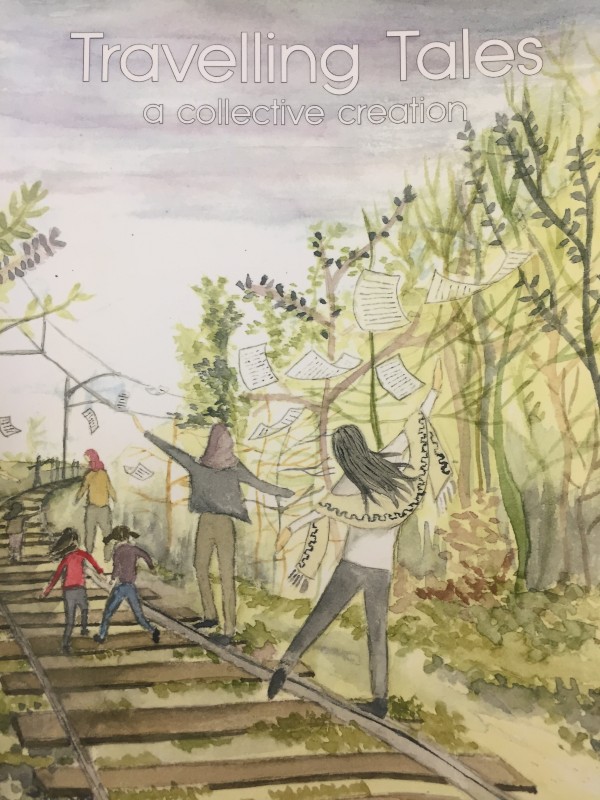
A collection of fairy tales written by child refugees in Greece has gone on sale to help those like the book’s authors.
Travelling Tales features a rugby-playing dog, a king who grew to love animals and chickens fighting an alien invasion among its eight stories.
The book is the brainchild of Brazilian journalist Debora de Pina Castiglione and her sister Beatriz. The two combined their love of words and illustrations to create the book but the ideas came directly from the children.
Debora ran workshops with Syrian and Kurdish children aged between four and 14 years old, at three refugee camps close to Thessaloniki in Vasilika, Lagadikia and Oreokastro.
It gave the children something to do without focusing on their own lives.“The idea was not to have the children talk about their journeys or experiences fleeing war, at least not directly,” Debora said. “It was to let them tell the stories they wanted to, in ways they chose themselves.
“I think it’s important for young people to engage with one another. Children all over the world are watching the refugee situation, or hearing it on news programmes their parents watch and listen to, and as well as hoping it would be an interesting project for the children at the camps, I wanted to do something so the children outside of the crisis could see the children caught up in it on their own terms, as children with fun and interesting stories, just like they are.”
And there is something entirely captivating about the stories. In The Travelling Princess, Amira shuns her royal title to live as a poor person who goes around giving away gold she found as she explored the world.
In Aliens vs Chicken, Earth is under attack from extraterrestrials who want to steal all the chicken eggs in the world. While humans are relieved about the aliens’ demands, the chickens are not happy and fight back, reclaiming the eggs.
The story was written by nine-year-old Shahd who lives in the military camp of Lagadikia. Debora describes her stories as “full of adventure. Her creativity reminds us that there are heroes even where we least expect to find them.”
“We spent four months with the children,” Debora added. “In some cases, the children spoke English very well, and had quite clear ideas of their stories. In others, we worked with a translator, and also spent time with them to help them develop their ideas, to make the stories hold together better.
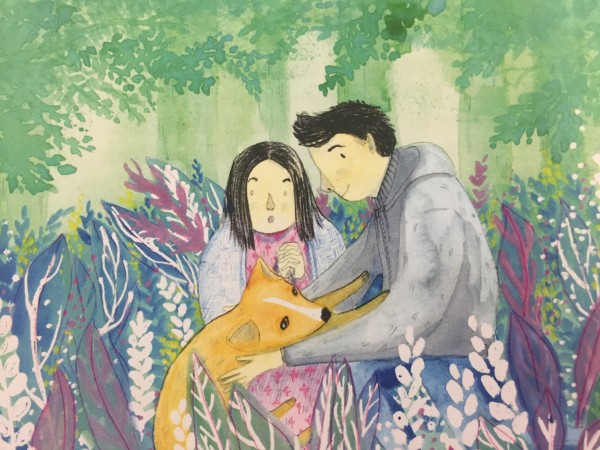
“But the point was that these are the stories of the children, so we didn’t change their words, or add anything they did not include themselves.”
Five professional illustrators helped to bring the stories to life, including Beatriz.
The book was published last month and is available in English as well as Greek, Portuguese, Spanish, French, Italian, German and Dutch. It is for sale via Amazon priced at £10.
Money collected from the sale of the book will be used to help support projects that look for alternative housing solutions to the military camps.
—
“hope is a waking dream.”
-aristotle
—
credits: the irish news, Debora and Beatriz de Pina Castiglione, child refugees in greece
—
#teachers for refugees
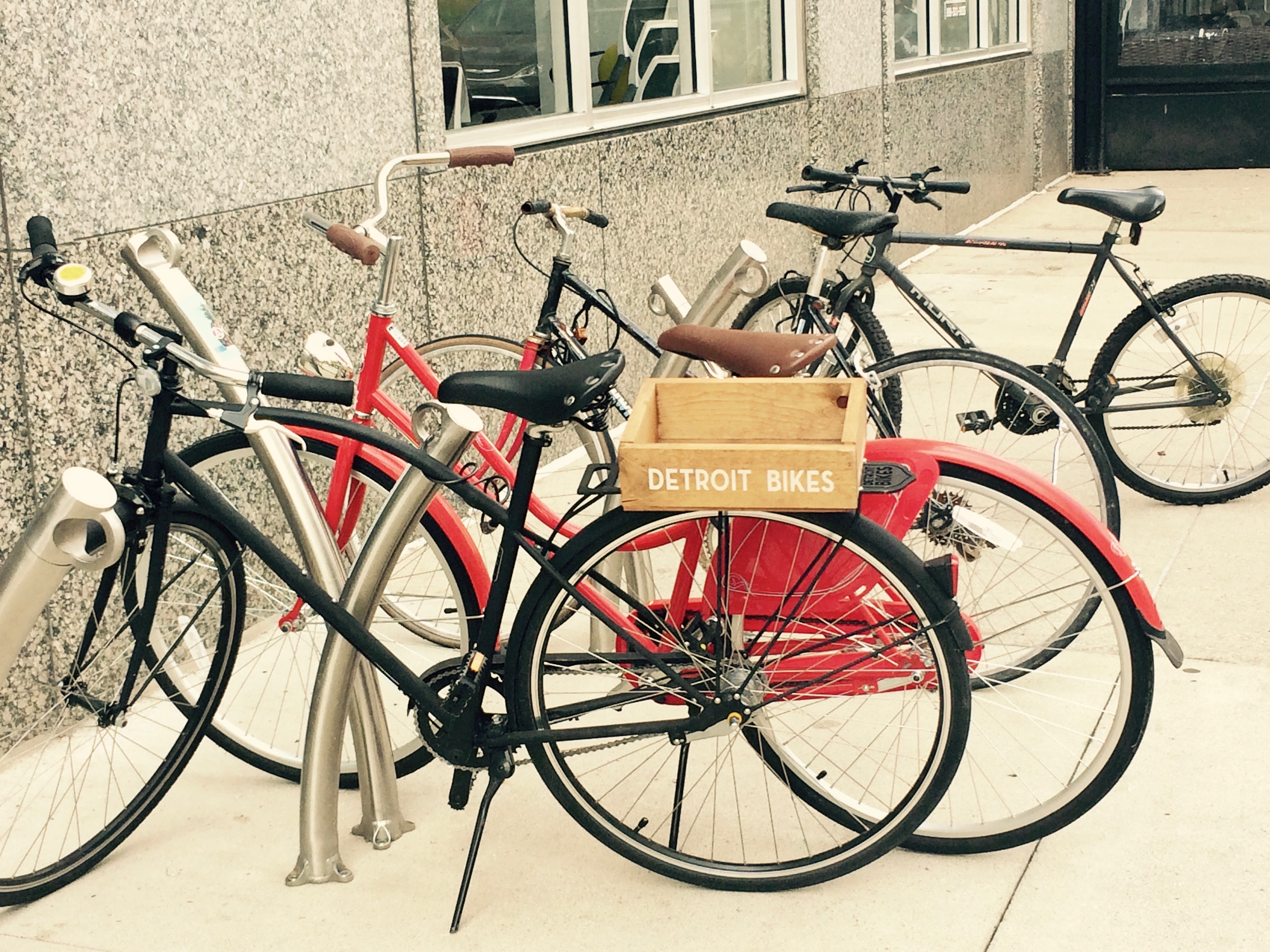
50 years ago this week
we were in the midst of a detroit riot
we have come such a long way
still have a way to go
but here we go.
—
“since its founding, detroit has been a place of perpetual flames. numerous times the city has suffered riots and each time the city has burned to the ground. the city’s flag acknowledges as much.
speramus meliora; resurget cineribus:
we hope for better things;
it shall rise from the ashes.”
― charlie leduff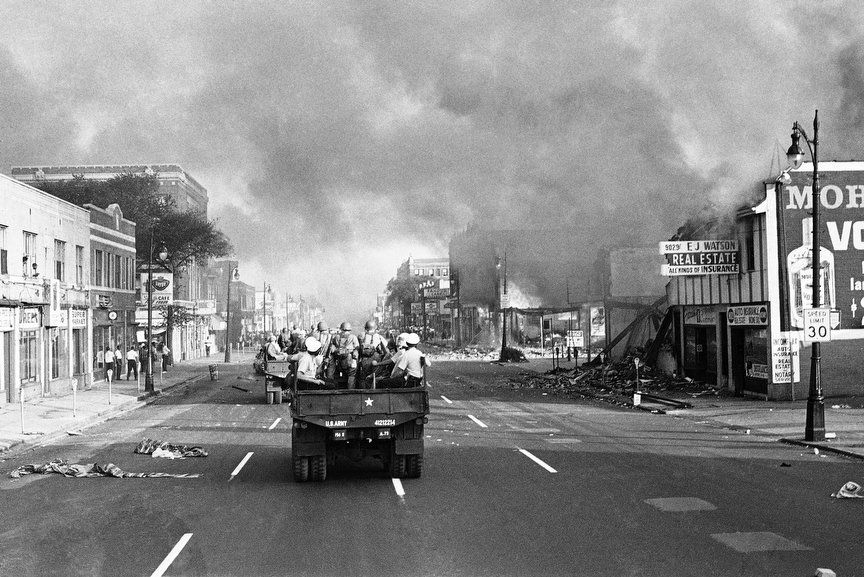
detroit free press – 1967
 even the fairy village at my cottage took at hit
and as we wait for our power restoration
there are always a few shiny glimmers of hope on the horizon.
—
“we’ve got to rebuild human hearts –
and persuade people that hope isn’t just possible, but essential. “
-tony snow

“the holidays drape us in magic and give us the hope
that we can do better than we have done in the past.”
― toni sorenson
—
image credit: bryan david griffith (former engineer who became a nature photographer)
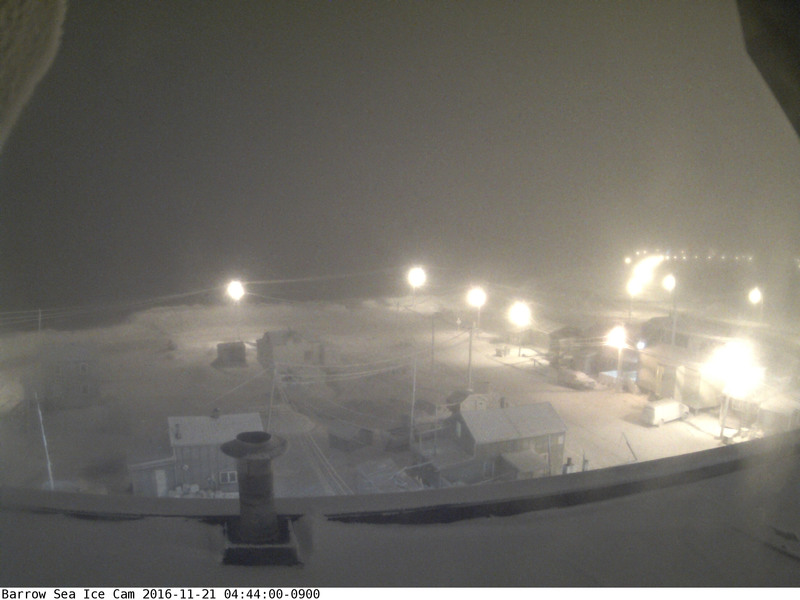
Barrow, Alaska in darkness on Monday
On Friday, the sun set for the final time in Barrow, Alaska, as the city plunges into polar darkness for the next two months and, in December, formally changes its name to Utqiaġvik, according to Alaska Dispatch News.
The next dawn in Utqiaġvik will be January 22, 2017, the first sunlight under its new name, an Inupiaq word that the wider area of Barrow has long gone by. The city of around 4,300 was incorporated in 1958 and originally took its name from nearby Point Barrow, named by a Royal Navy officer in 1825.
The city is the northernmost in the U.S. and each year spends a couple of months in darkness, owing to its position hundreds of miles north of the Arctic Circle, and about 2,000 miles northwest of Seattle.
Residents recently voted to permanently change the town’s name to honor indigenous peoples and the area’s roots. Locals seem relaxed about Barrow’s final sunset. As ADN reports, the sun “was nowhere to be seen” on Friday, and Qaiyaan Harcharek, a Barrow City Council member who led the drive to change the name, said the event didn’t have much of an effect on him. “I didn’t put much thought to it,” Harcharek told ADN.
—
“hope is being able to see that there is light despite all of the darkness.”
-desmond tutu
—
credits: alaska dispatch news, erik shilling, university of alaska- fairbanks, atlas obscura
—
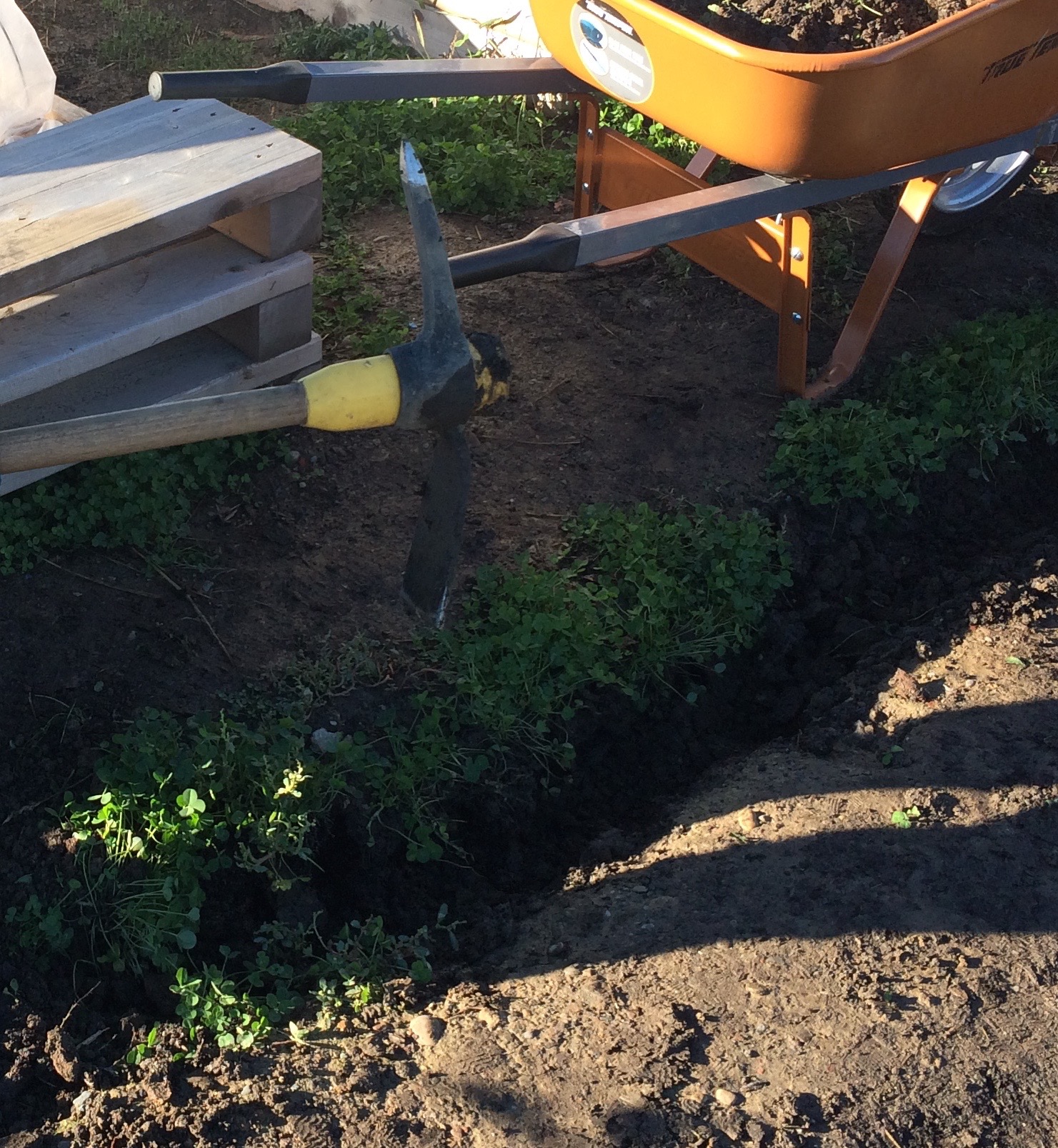
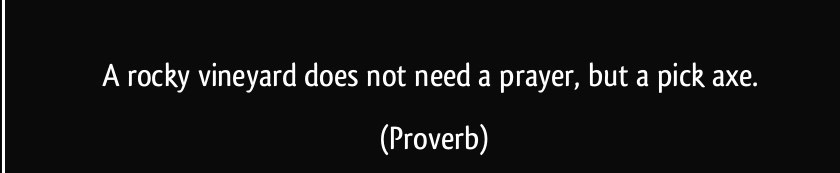
proud to have worked really hard
with my colleagues
on this chilly fall morning
to help to make the shelter
a better place for those who need it
by helping
put their garden
to bed this fall
and
by planting
new possibilities there
for them to awaken to next spring.
very proud of my brother, scott today.
Solving Kids’ Cancer
Today, Scott Kennedy, Executive Director, Solving Kids’ Cancer, and Joe McDonough, Founder and President, The Andrew McDonough B+ Foundation, presented a check to Duke University Medical Center to bring oncolytic virus therapy to children battling high-grade brain tumors. The adult trial, leveraging the re-engineered polio virus, has shown very promising results and this new pediatric trial gives tangible #hope to children who are desperately seeking new treatment options.
You can make a difference to children with cancer. Your donations directly fund innovative new treatments for children battling cancer today.
WWW.SOLVINGKIDSCANCER.ORG
Make September Gold for Childhood Cancer Awareness Month
—
#collaboration #innovation #research #pediatricbraintumors #childhoodcancer
http://www.solvingkidscancer.org/…/cuttingedgeoncolyticvirus
 I didn't have my glasses on....