Tag Archives: science

enchanted.

Standard

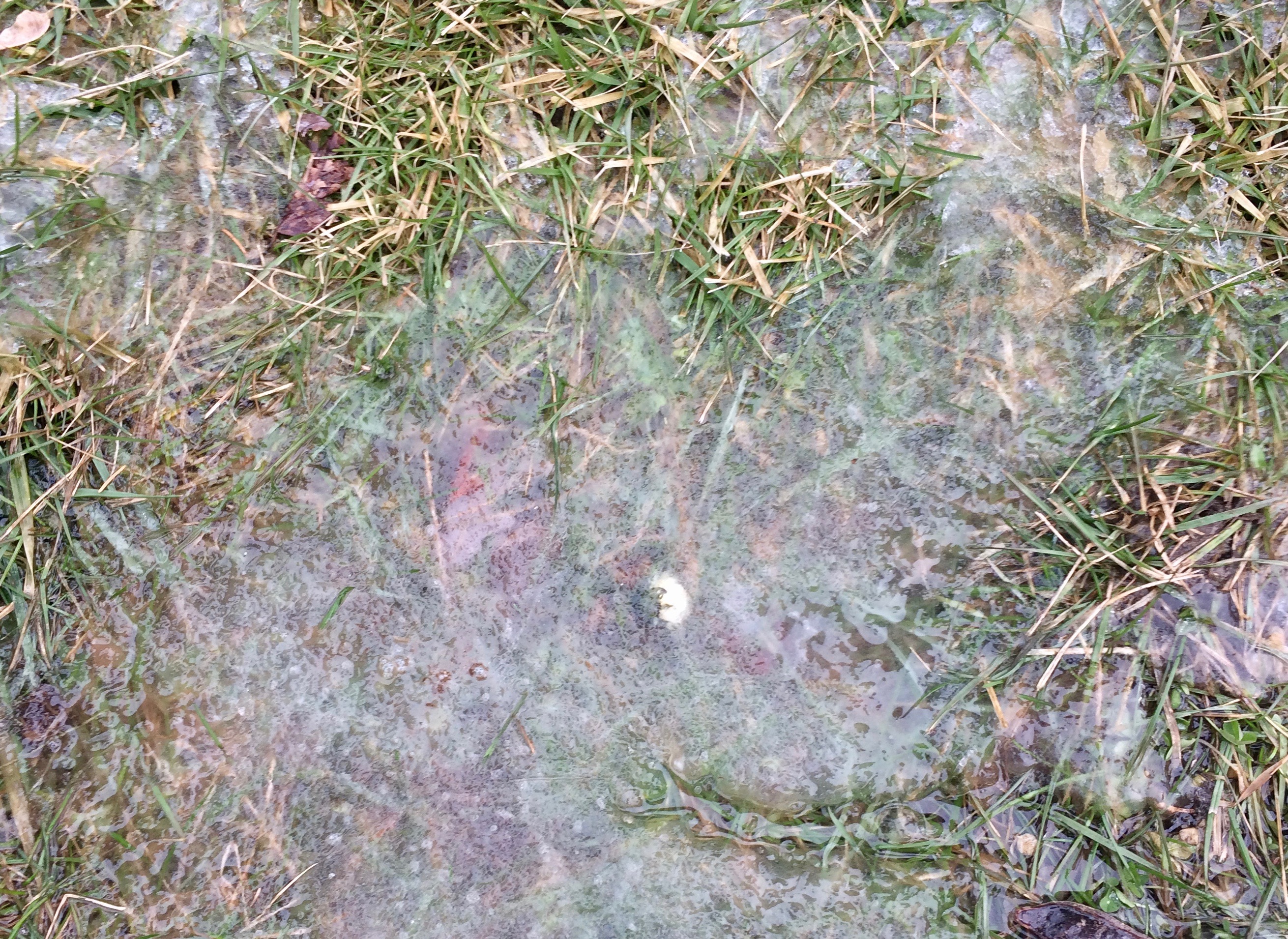
img_7718

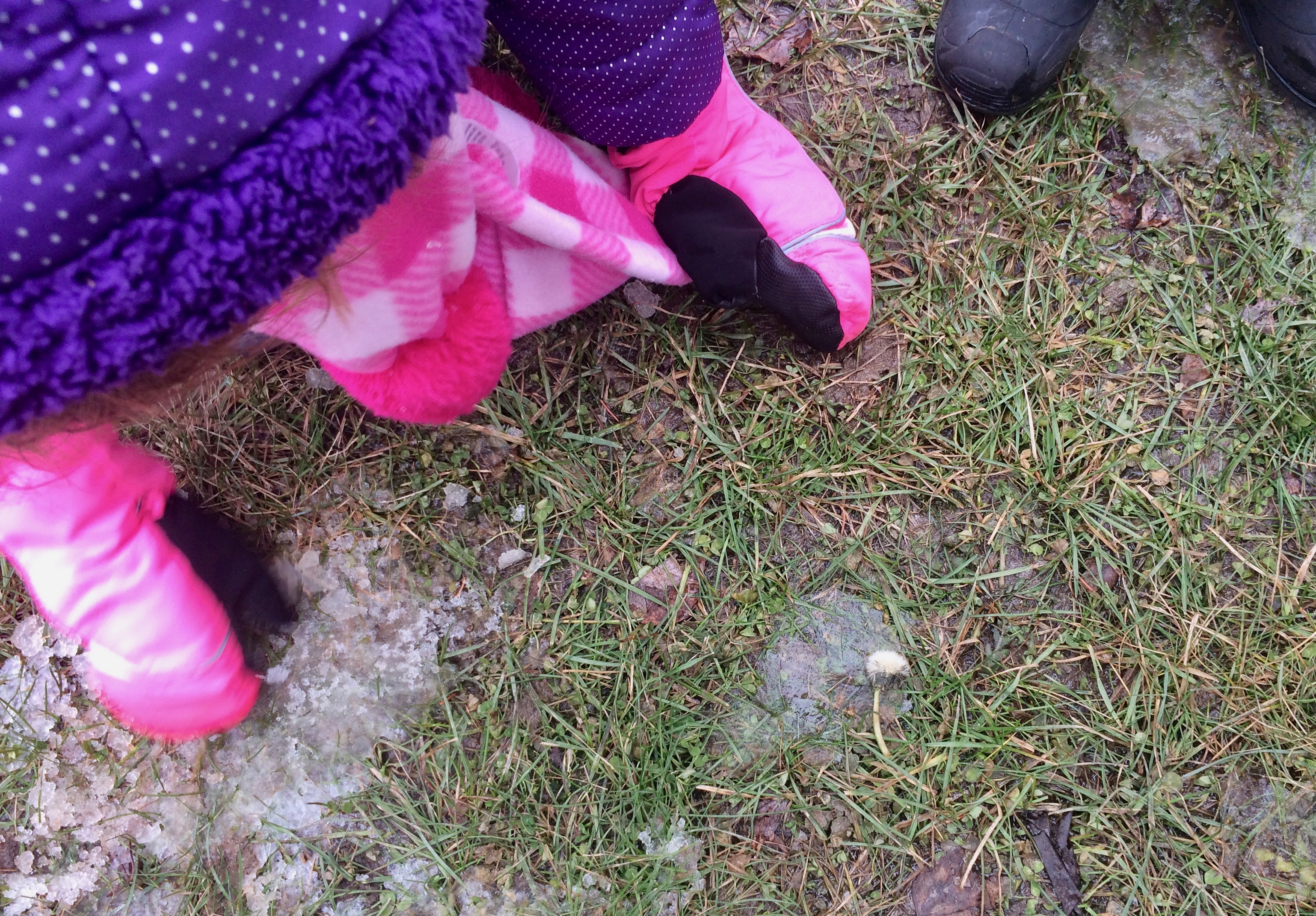
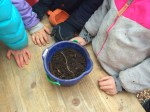
today we found a beautiful flower that survived

under the snow and ice and rain and arctic temperatures of january.

 were very surprised.

it must be enchanted.

img_7716

“the only words that ever satisfied me as describing nature

are the terms used in fairy books, charm, spell, enchantment.

they express the arbitrariness of the fact and its mystery.”
-g. k. chesterton

big.

Standard

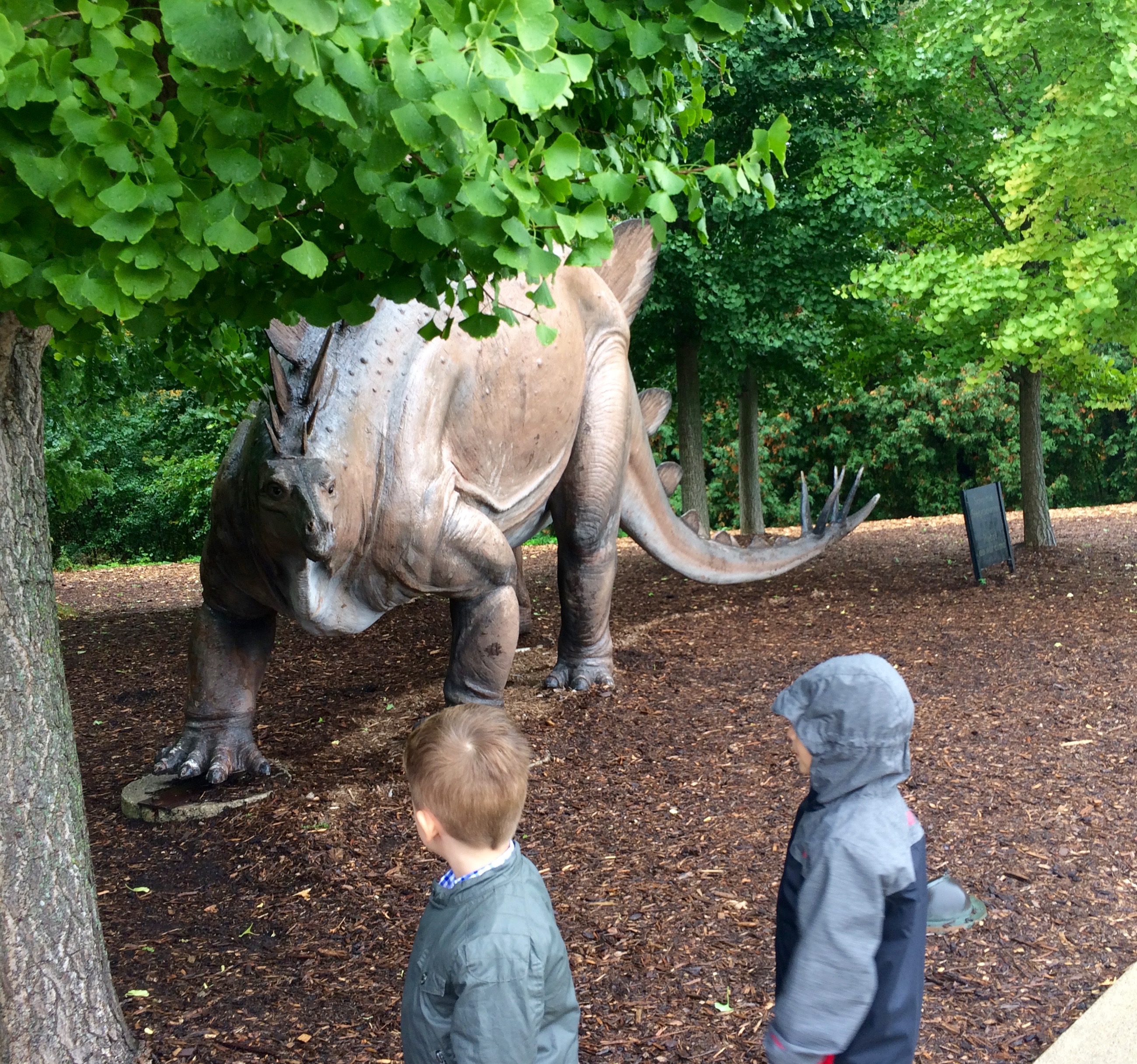
img_6922

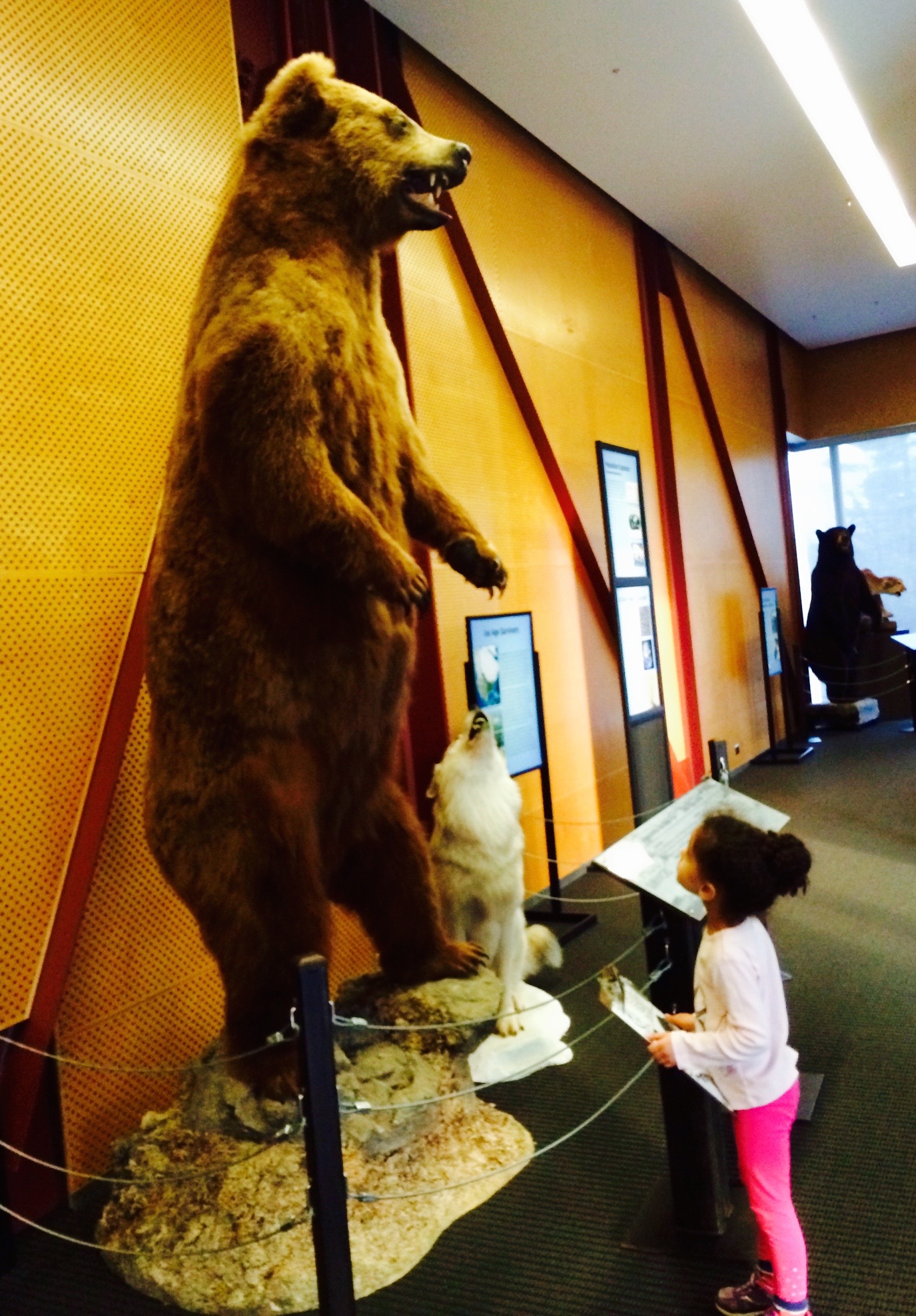
when heading into the woods

and

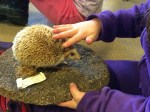
two very different species

cross paths

 each will stop

in their tracks

to

size the other up.

“the dinosaur’s eloquent lesson is that if some bigness is good,

an overabundance of bigness is not necessarily better.”

-eric johnston

cups runneth over.

Standard

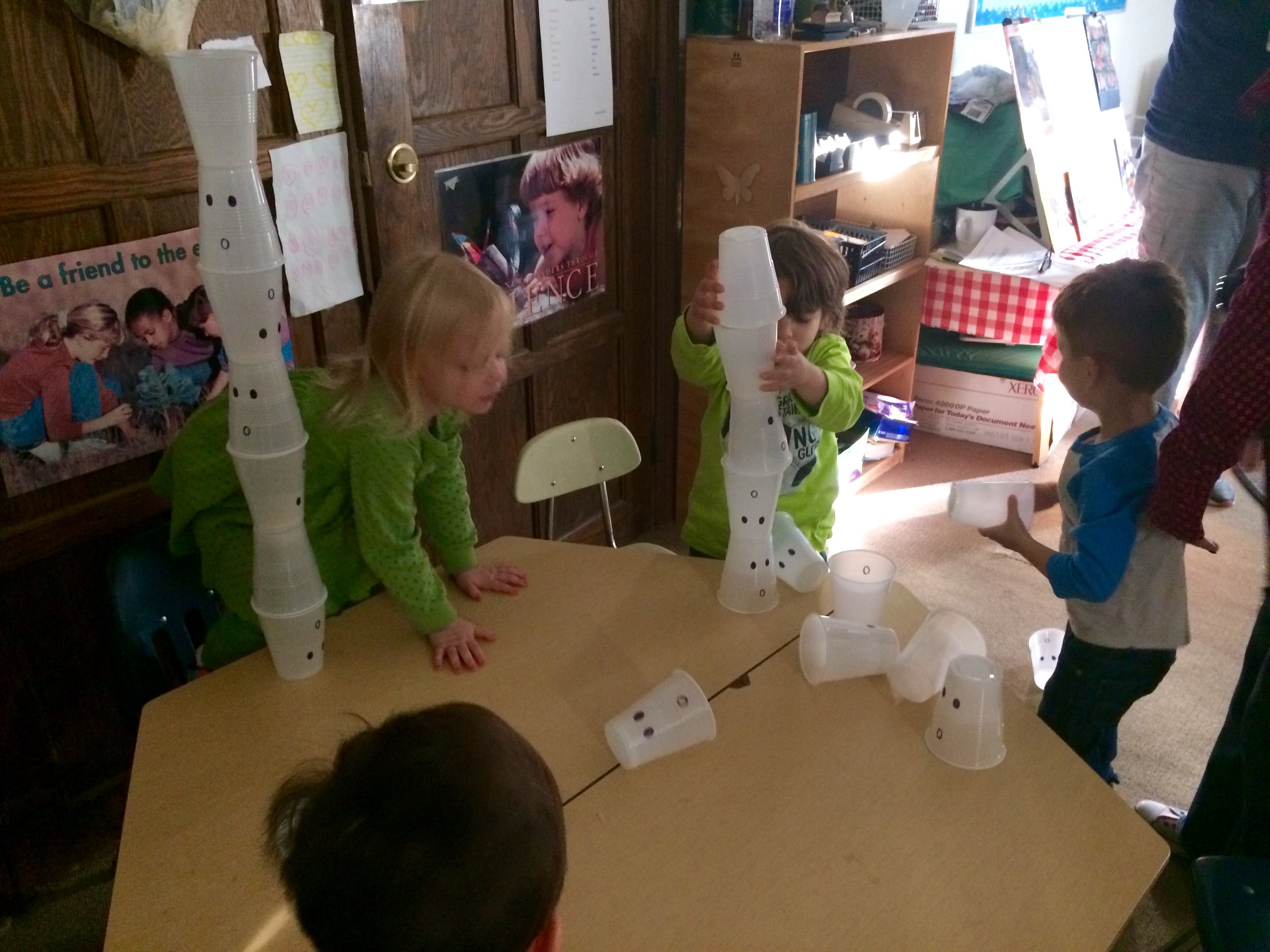
img_6894

lots of cups and lots of ideas

img_6884

“building art is a synthesis of life in materialised form.

we should try to bring in under the same hat not a splintered way of thinking,

but all in harmony together.”

-alvar aalto

bright stars.

Standard

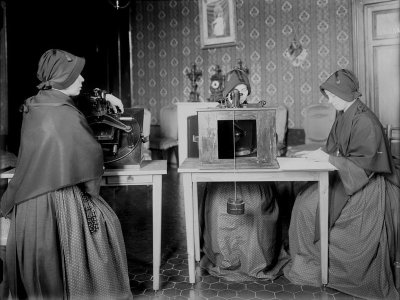
oldtimewomen1.jpg__800x600_q85_crop

Astronomy Nuns
Sisters Emilia Ponzoni, Regina Colombo, Concetta Finardi and Luigia Panceri mapped the positions and brightness of 481,215 stars. 

These Little-Known Nuns Helped Map the Stars.

A century later, the identities of women who mapped over 481,000 stars are finally known.

The history of astronomy is riddled with underappreciated women who looked to the stars long before their scientific contributions were recognized. But the constellation of early women astronomers is glowing brighter, writes Carol Glatz for Catholic News Service, with the recognition of four once nameless nuns who helped map and catalog half a million stars in the early 20th century.

Glatz reports that the nuns, Sisters Emilia Ponzoni, Regina Colombo, Concetta Finardi and Luigia Panceri, were recruited by the Vatican to measure and map stars from plate-glass photographs. They cataloged the brightness and locations of a whopping 481,215 stars during their years of diligent work. Photos of the nuns had appeared in books about the history of astronomy, but the identity of the women was not known—and their accomplishments not recognized—until now.

Their years of labor were finally acknowledged when Father Sabino Maffeo, a Jesuit priest who works at the Vatican Observatory, found their names while organizing papers for the archives. Today, the project to which the nuns contributed is as obscure as the nuns themselves, but at the time it was one of the largest scientific undertakings in history.

In April 1887, 56 scientists from 19 countries met in Paris to embrace a new discipline: astrophotography. Their plan was a bold one—use 22,000 photographic plates to map the entire sky. The work was split up among institutions across Europe and the United States, including the Vatican Observatory. Each institution was given a particular zone of the sky to map and categorize.

At the time, male astronomers often relied on women to serve as their “computers.” The men would direct the project, but behind the scenes, women did the labor-intensive processing, cataloging and calculating for low wages. Famously, Harvard Observatory director Edward Charles Pickering hired “Pickering’s Harem,” a group of bright young women, to do his share of the star cataloging. Also known as “the Harvard Computers,” these women, formidable astronomical minds in their own right, were only recently acknowledged for their contribution to science.

And what a contribution—the project resulted in he Astrographic Catalogue, a 254-volume catalog of 4.6 million stars. The star atlas called the Carte du Ciel was only halfway finished by the time astronomers stopped working on it in 1962. Though the atlas project was destined to fail, the catalog became the basis of a system of star references that is still used today.

Though the women didn’t end up counting all of the stars, perhaps one day history will do a better job of counting the women whose diligent work helped map out the starry skies.


credits: smithsonianmag.com, flikr
keyhole.

Standard

IMG_4638

IMG_4632
“what is a scientist after all?

it is a curious man looking through a keyhole,

the keyhole of nature,

trying to know what’s going on.” 

-jacques cousteau 

bombs for bees.

Standard

primarythyme-bombs-rainbow-display-seed-balls

the bees could really use some help. in the last 10 years, a phenomenon called colony collapse disorder (ccd) has killed off huge numbers of honeybees around the world. it’s normal for beekeepers to lose 10–15 percent of their hives each winter, but beginning in 2006, beekeepers started reporting losses of 30–90 percent. scientists believe ccd may be caused by a combination of pesticides, parasites, and a decline in wildflowers as more and more land is developed.

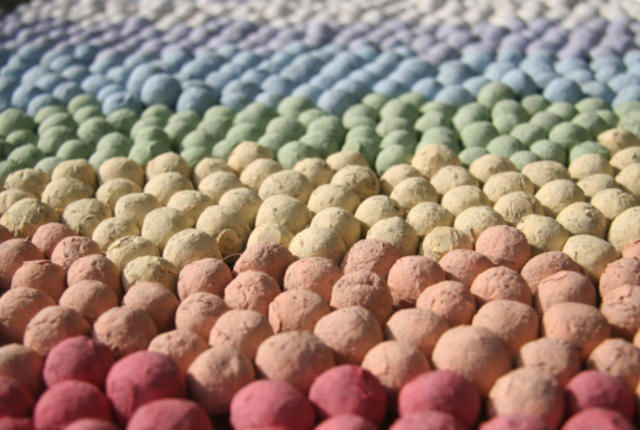
this is where seedles come in. each “bomb” contains wildflower seeds packed in compost and brightly colored clay. “planting” them is easy: you just throw them on the ground and wait for the rain, sun, and soil to do their work. the candy-colored seed bombs “practically grow themselves,” says the company’s website.
there are six varieties, one for each region of the country, so bee lovers can be sure to plant native flowers that will thrive in their area.

seedles are the brainchild of ei ei khin and chris burley, a couple who initially hoped they could get people to plant a million flowers. they surpassed that number in 2014. in an email to mental_floss, burley (now the company’s “pollinator-in-chief”) said they’ve since set their sights higher: a billion flowers for the bees.
they are especially concerned about the interdependence between honeybees and our food supply. of 100 major american crops, 70 are pollinated by bees; without them, we might not have apples, almonds, carrots, or avocados. to encourage interest and awareness in the plight of the bees, seedles partners with local food companies to give out free seed bombs. because they’re pretty, simple, nontoxic, and foolproof, the seed bombs make great educational tools.

bodyseedles-wildflower-seed-bombs-front-yard

credits: seedles, mentalfloss, kathy horowitz

“i’m right and you’re wrong, i’m big and you’re small, and there’s nothing you can do about it.” ― roald dahl ( matilda)

Standard

IMG_1040

“oh, yeah. just watch me, i’m taking notes!’

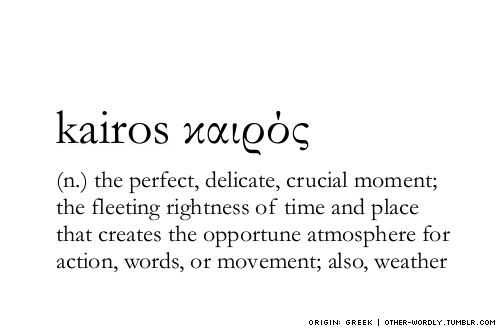
kairos.

Standard

IMG_1039

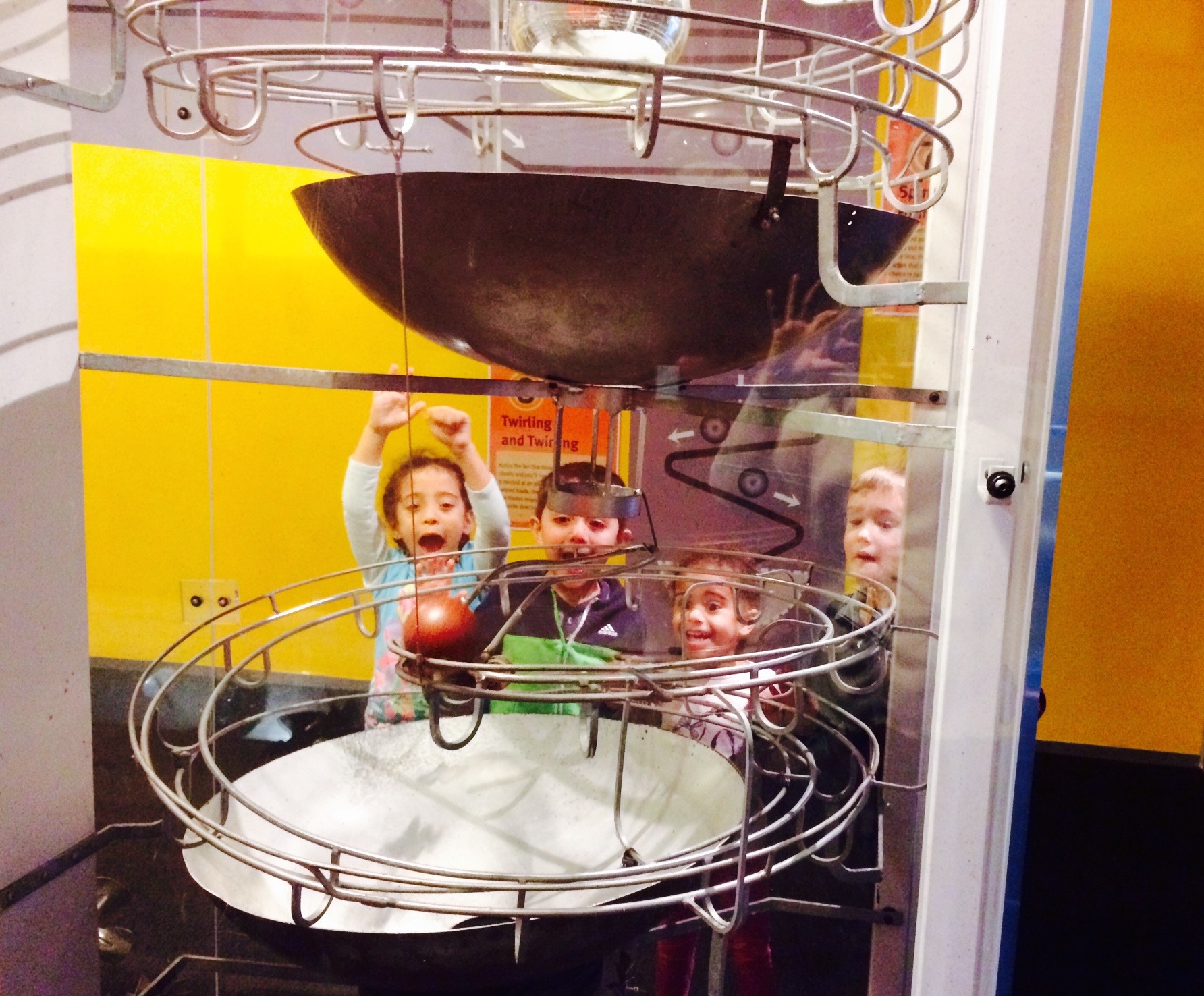
kinders enjoy that perfect moment when the ball drops down.

tumblr_mufgqkcM811r6nm6ao1_r2_500

all in all, I would not have missed this century for the world. – gore vidal

Standard

IMG_1011

only in florida

could i wake up

watching the nasa channel

 interview the astronauts

live from space.

werewolf.

Standard

12194501_10153283839523403_2119354671272379345_o

” i  love americans! you all have a good taste.”
 – claude, an american werewolf in paris

—-

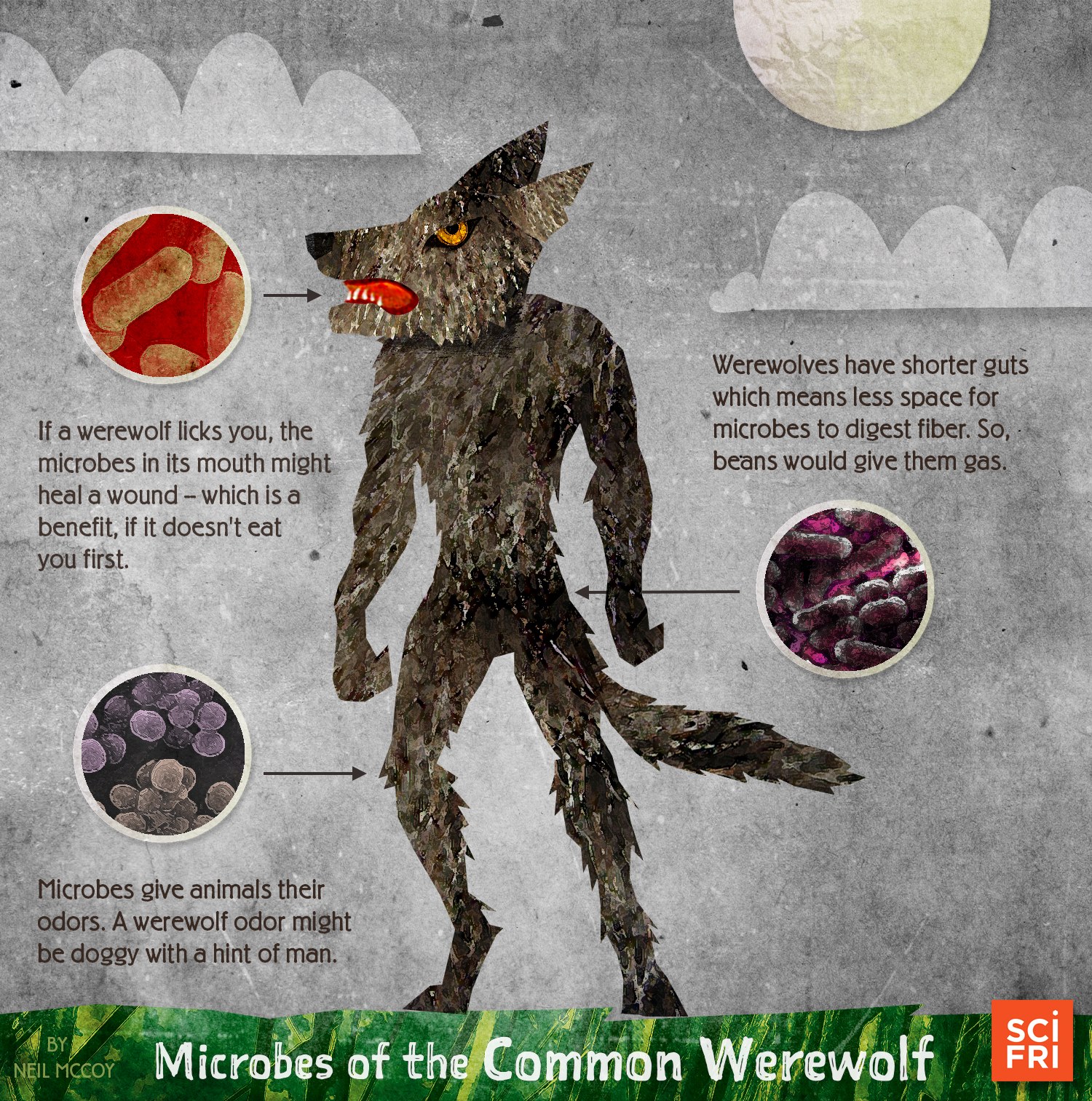
credits: npr radio, science friday