” i love americans! you all have a good taste.”
– claude, an american werewolf in paris
—-
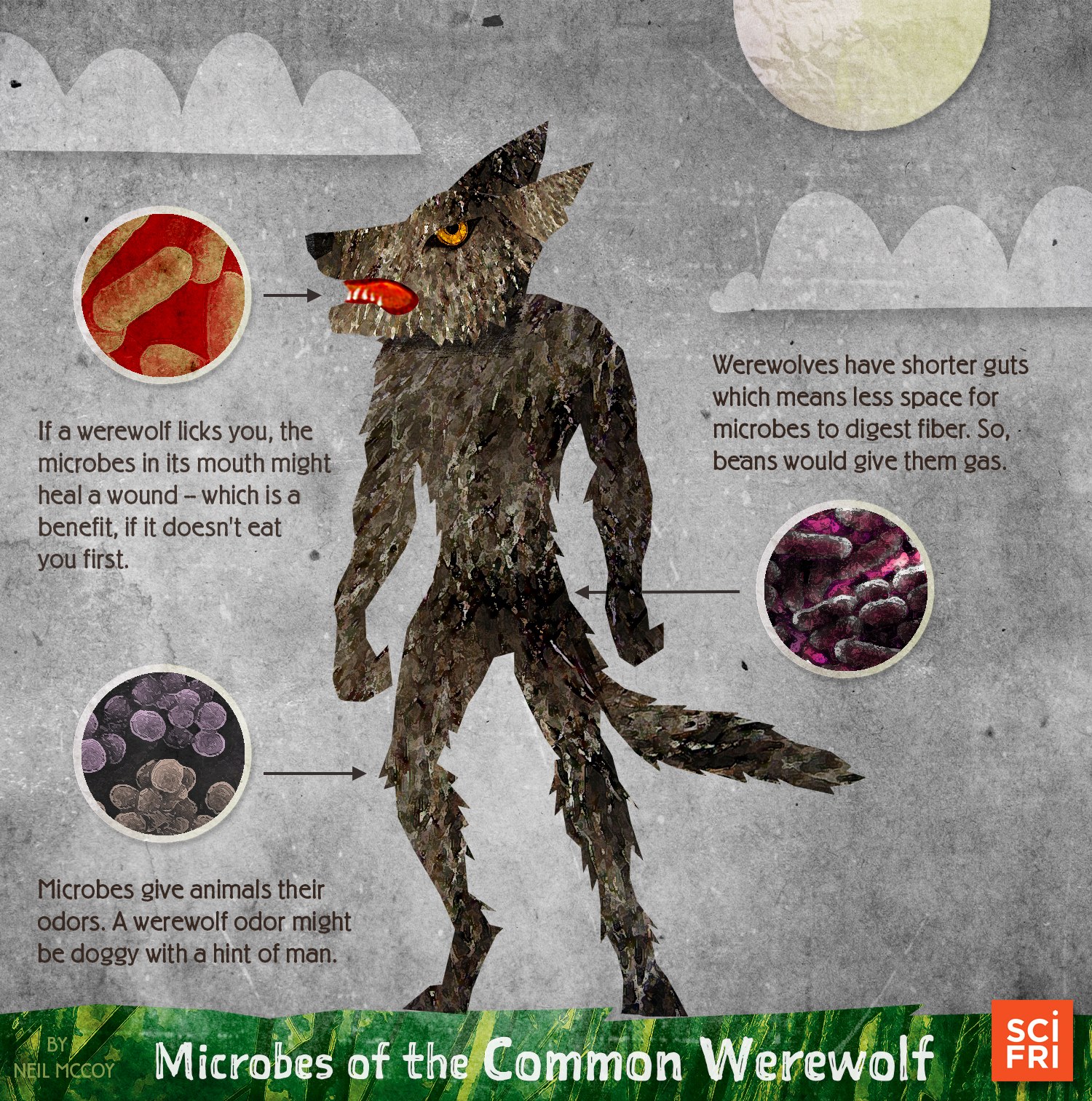
credits: npr radio, science friday
” i love americans! you all have a good taste.”
– claude, an american werewolf in paris
—-
credits: npr radio, science friday

it was science day
we made
solutions and color swirls
learned about buoyancy
floated and sunk things
then
we met
two big horses
a baby cow from scotland

a ball python

and
came back to our room
where we met
a friendly silverback gorilla

and an anthropologist
who told us all about him
and he shared
his celery snack
and one of
the best discoveries of all
was when we found out
all on our own
that we could
make secret forts
under the big kid’s science table

it was so great
to have a special day for science
but then every day
is really science day
if we just look around.

j and b amidst the magic at the hands-on museum


peeps in space
The NASA headquarters
printing and design department
created a highly-detailed
peeps diorama
to celebrate the anniversary
of the apollo 11 moon landing.
happy easter to all!!
—
Photograph by: NASA/Paul E. Alers

The case of 100 missing brains has been solved. The brains, missing from the university of Texas in Austin, have been found at the university of Texas in San Antonio. T. Schallert, a professor at the Austin campus, said, “They, (the researchers at the San Antonio campus), read a media report and called to say, ‘We’ve got those brains!'”
The brains, used for research, have been AWOL since the 1990s, but their whereabouts took on a new urgency with the publication of a new book, “Malformed: Forgotten Brains of the Texas State Mental Hospital.
I am left wondering how one walks out with 100 brains, and how ironic that they have actually been forgotten.
—
Credits: Gary Larson, the far side, the detroit free press wire services

at 4,841 years old, this ancient bristlecone pine
is the oldest known non-clonal organism on earth.
located in the white mountains of california,
in inyo national forest.
—
credit: earthporn.com
 science day today
and parents
shared their science
with the children
who were
in awe
of
all of it
and loved
the discovery
and
hands-on
exploration
and
so many
questions
and
trying to make some sense
of the world
around them

carbon dioxide
dry ice
liquids
solids
gas
molecules
scottish highland longhair cows with horns
horses
computers
circuits
eyes
matter
changing form
and turning into
cotton candy
right before their eyes
molecular biology

and
oils and flowers and salts
to soothe them in the bath
when they are tired or hurt
and
then
so much excitement
when
realizing
the world is filled
with endless possibilities

—
most people say that it is the intellect which makes a great scientist.
they are wrong: it is character.
– albert einstein

Red wine compound improves memory
The antioxidant resveratrol, most often associated with red wine, improves memory and brain function in elderly people, though it is also found in peanuts, chocolate, and other fruits in addition to grapes. It has been linked to better heart health, anti-aging effects and even (in limited laboratory studies) cancer-fighting properties. A study published this month in the Journal of Neuroscience has released the first evidence that resveratrol improves memory and brain function in elderly people.
The improvement in memory occurred in parallel with an improvement in glucose metabolism—the way the body breaks down sugar. Researchers compared 46 people between 50 and 75 years old, who were given either a resveratrol supplement or a placebo pill for 26 weeks. Before and after the 26-week intervention, they tested the participants’ memory (by measuring their recollection of words they had been told 30 minutes earlier) and used brain imaging to measure the size and connectivity of a brain area called the hippocampus, which is critical for our ability to form memories. They also did blood tests to measure participants’ metabolism and markers of inflammation. The participants who took resveratrol lost body fat, showed an improvement in glucose control (poor glucose control is linked to type 2 diabetes), and scored better on the memory test compared to participants who were given a placebo.
Brain imaging also revealed that the connectivity between memory centers in their brains (hippocampus and frontal cortex) had increased. This trial is small and preliminary, but its results are promising—resveratrol might represent a new strategy to prevent brain aging.
The aging process has you firmly in its grasp if you never get the urge to throw a snowball.
~Doug Larson
—
credits: emilie croisier, intelligent optimist magazine
(Source: Journal of Neuroscience June 2014, doi: 10.1523/JNEUROSCI.0385-14.2014, Pubmed)
http://theoptimist.com/red-wine-compound-improves-memory/#!30z39

baby short-eared elephant shrew must be on vacation.
—
This little guy is 1 of 31 endangered species born at the Smithsonian’s National Zoo and Smithsonian Conservation Biology Institute in recent weeks.
You can read more about the baby boom: http://ow.ly/xZfPy
#WeSaveSpecies

This photo series by Rose-Lynn Fisher captures tears of grief, joy, laughter and irritation under the microscope.
Tears aren’t just water.
They’re primarily made up of water, salts, antibodies and lysozymes,
but the composition depends on the type of tear.
There are three main types –
basal tears, reflex tears, and weeping tears.
As you can see,
they can look incredibly different when evaporated and placed under a microscope.
—
Men must live and create. Live to the point of tears.
Albert Camus
—
More info: http://bit.ly/RJqvK7
Images by Rose-Lynn Fisher, via the Smithsonian Magazine and ScienceAlert.

