
discovering hula hoops and joy in the middle of the street.
—
“there is no such thing as the pursuit of happiness, but there is the discovery of joy.”
-joyce grenfell

Early on a spring morning in Manhattan, Sufjan Stevens, Bryce Dessner, Nico Muhly and Nadia Sirota gathered at Reservoir Studios in Manhattan to play a song first performed five years ago and an ocean away.
“Mercury” is the closing track off Planetarium, a song cycle about the planets by Stevens, Dessner, Muhly and James McAlister. The work was originally composed on commission for the Dutch concert hall Muziekgebouw Eindhoven, and first performed there in 2012. Five turns around the sun later, Planetarium will arrive in recorded form on June 9 via 4AD.
“Mercury” is one of the most intimate songs on the record, a quality that’s emphasized by its spot just after the 15-minute, ambient, electronic epic, “Earth.” Where the record’s other songs foreground synthesizers and spastic electric drum samples reminiscent of 2010’s The Age of Adz, “Mercury” largely rests on Muhly’s gentle piano work and Stevens’ beautiful vocal. Where once, in the original live performances, the song swelled to a cinematic rush on the order of Illinois, it’s now spare and elegant. Its warm intimacy is all the more apparent in the group’s live performance, which features Dessner of The National lightly doubling on guitar Stevens’ wordless refrain at the song’s close.
Like many of the pieces on the record, its lyrics are a constellation of the cosmic, the personal and the mythological. The song, named for the messenger god, is a perfect musical setting for the feeling of having something dear carried away from you. “All that I’ve known to be of life / and I am gentle,” Stevens sings. “You ran off with it all.”
“Life is so abundant here, and yet we’re so obsessed with the exterior of here,” Stevens told All Songs Considered‘s Bob Boilen in a companion interview. “That’s what’s so interesting, there’s a sort of beautiful, perfect order to life on earth that’s so mysterious and so profound. And yet, as people, we really fuck it up. We’re so dysfunctional. And we seek guidance from the exterior world — from the heavens — to help us understand our purpose here, and to sort of create a sense of order.”
Stevens, Muhly and Dessner have created their own sense of order here. The musicians will present Planetarium at four shows this summer (all of them terrestrial):
July 10 — Paris, FR — Philharmonie de Paris
July 18 — Brooklyn, NY — Celebrate Brooklyn! – Prospect Park
July 20 — Los Angeles, CA — Hollywood Forever Cemetery
July 21 — Oakland, CA — Fox Theater
You can watch a video of the interview — and listen to the full-length interview — on All Songs Considered.
Producers: Bob Boilen, Ben Naddaff-Hafrey; Director: Mito Habe-Evans; Editor: Nickolai Hammar; Violist: Nadia Sirota; Audio Engineering: Daniel Availa, Fritz Meyers, Josh Rogosin, James Yost; Videographers: Annabel Edwards, Mito Habe-Evans, Nickolai Hammar; Special Thanks: St. Rose Music; Series Producer: Mito Habe-Evans; Executive Producers: Anya Grundmann, Keith Jenkins; Special Thanks: Mark and Rachel Dibner of the Argus Fund
—
“after silence, that which comes nearest to expressing the inexpressible is music.”
-aldous huxley

-george bernard shaw

end of the school year and moving classrooms.
“time is a circus, always packing up and moving away. “
-ben hecht
—
credit: googleimages – vintage
to my class on our last day together.
—
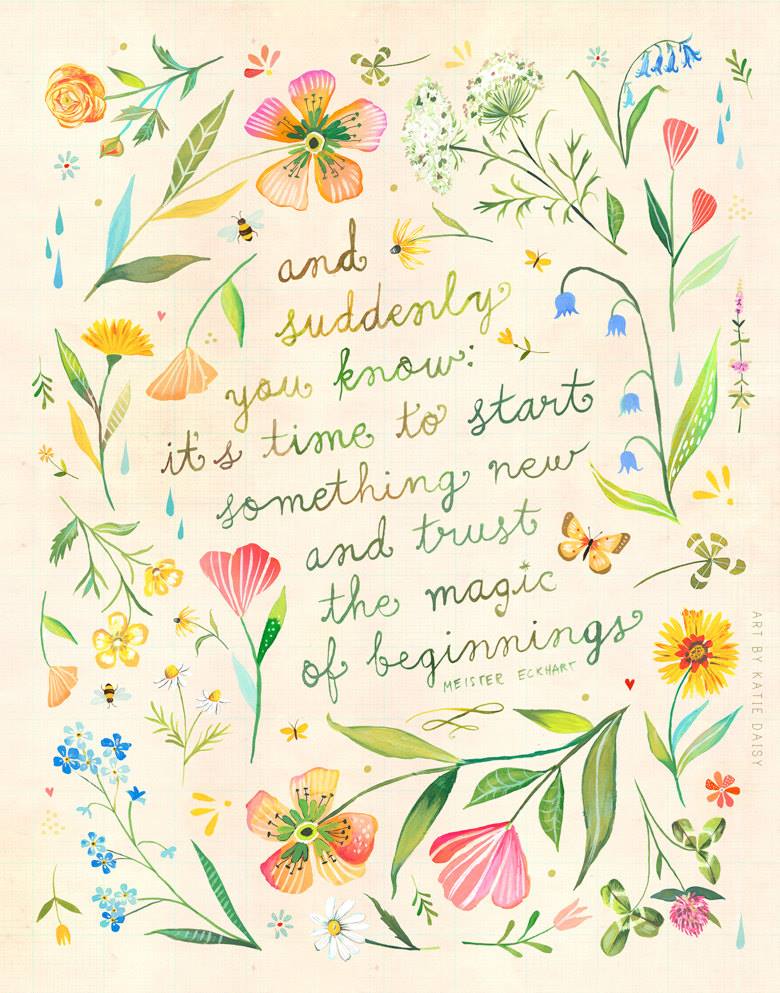
credit: meister eckhart

as i walked in with one of the grandies to his ninja training class
and asked if he had everything he needed
before he scrambled off to
jump, climb, twirl, crawl, and yell
his deadpan answer was
“ninjas don’t wear underwear.”
i suspect that he created this rule
because he didn’t feel like putting them on
and he quickly adopted this as his mantra.
ninjas are clever.
—
“true ninjas are always outnumbered, because they are individuals.”
-jarius raphel
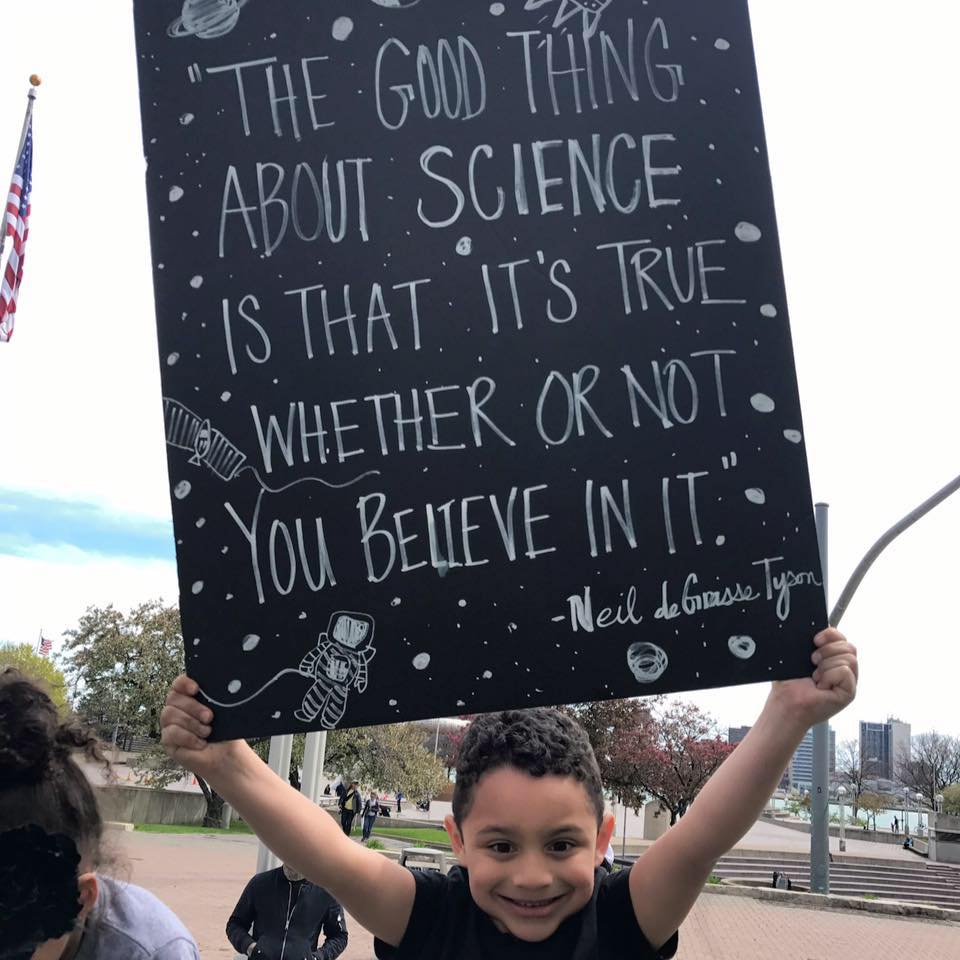
grandie j, age 5, believes in science.
—
“by denying scientific principles, one may maintain any paradox.”
-galileo galilei

i’ve always been fascinated by the idea of back stories.
the story behind the story
i love the idea of understanding
what led to something, motivations, experiences, emotions, circumstances, the why’s
so i set out to find the back story/backstory about the origin of this term
the new york times summed it up very well in the following piece.
—
‘Looking for the Candy, Finding a Back Story” was the headline above a review by A.O. Scott in The New York Times about the movie “Charlie and the Chocolate Factory.”
“Backstory” (one word) was the headline chosen by the New Yorker cultural critic Joan Acocella for her dance review of “revivals of long-absent works by Ashton and Balanchine.”
What’s the history, derivation, hidden motivation or inside skinny — I’m groping for the dramatic term — of this explosion of usage in the arts sections of our media? Whence this seemingly simultaneous lexical development?
It began quietly in the early 80’s, probably among writers creating series for television. The Oxford English Dictionary’s earliest citation is from an A.P. dispatch by Jerry Buck in 1982 about the screenwriters Stephen and Elinor Karpf: “They had been compiling characters and back stories for a prospective serial for several years.”
The O.E.D. recently noted that the term’s early specific meaning was a history “created for a fictional character or situation, especially in a film or television series.”When dealing with a fictional character, the writer and director can help an actor play the part by telling him about the character’s life before the screenplay begins: from where he came, his education or lack of it, previous loves, arrest and medical records; this provides motivation and flavor.
A second meaning of back story grew out of that: Why not provide the reader or viewer with the same kind of information about what drives the character’s decisions and that adds color and meaning to an event? That led to the popularity of the prequel, a 70’s term popularized by J.R.R. Tolkien, giving the characters an earlier life and showing the roots of the subsequent story’s events.
Then nonfiction writers adopted the word and applied it to the lives of real people of the past. David Barnhart, editor of the Barnhart Dictionary Companion, spotted what he calls “a figurative extension of the meaning” and supplies a 1986 citation in this book title: “Backstory: Interviews with Screenwriters of Hollywood’s Golden Age,” edited by Pat McGilligan. (Unfortunately for etymologists, no interviewer asked the early screenwriters if they ever used the word backstory.)
That secondary sense — “what happened back then” — is being carried forward. The Baltimore Sun reporter Fred Rasmussen, who has a weekly column titled Back Story, says: “What we’re doing is going back to an original story from the 20’s and 30’s, sometimes only 10 years ago, and updating it for readers. We may know now what or who caused it, and what the motivations were. It’s not a nostalgia column; it’s a revisiting of a news event. We chose the name because we wanted something clipped, and that reflected what the column was about.”
Other lexies have their eyes on the two words (that are sometimes written as one). Joe Pickett, executive editor of the American Heritage Dictionary, supplies us with “Tapir’s Morning Bath,” a 2002 nature book by Elizabeth Royte: “Whalers took out whales, plankton proliferated, pollack boomed, perch and herring went bust, seals and sea lions followed, and so orcas switched their diet to otter.” Then comes a nice boosting: “As the disappearing otter has a back story, so too does it have a front story, a cascade of effects rippling into the future.”
Bringing the varied usages close to home, The Times Magazine has a section on its contents page called “Back Story.” Here’s the meaning, in the opinion of Gerald Marzorati, the magazine’s editor: “My understanding is that the phrase is mostly (though not exclusively) used in Hollywood to describe the potted history and biography of, respectively, the narrative and the characters that will have to be worked into the film — carefully, as not to bog down the unfolding of the edge-of-the-seat stuff that moviegoers have paid their 10-plus bucks for.
“We at the magazine use it on our contents page mostly because of the catchiness of the phrase. What we mean to do in that paragraph is give you a little ‘back story’ on the author — why he or she was the one to have reported and written the piece — and a little ‘back story’ on how the reporting came about or went.” (He can give the section a catchy title, but the guys in the office, and at many other magazines, call it the edlet, for “editor’s letter.”)
That’s the background, to use an archaic term, of back story.
—
credits: new york times, william safire
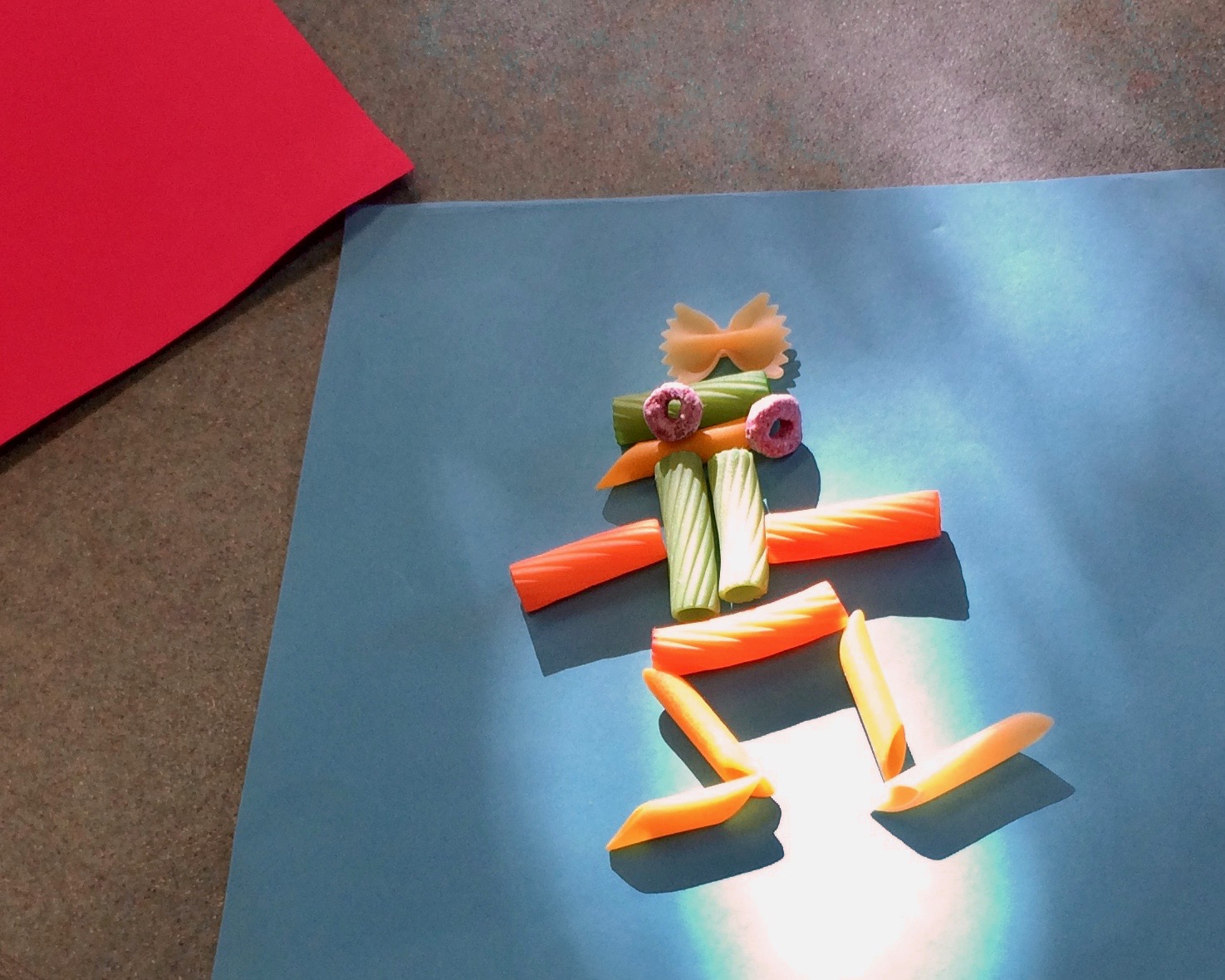
“every portrait that is painted with feeling is a a portrait of the artist, not of the sitter.”
-oscar wilde
—
image credit: s
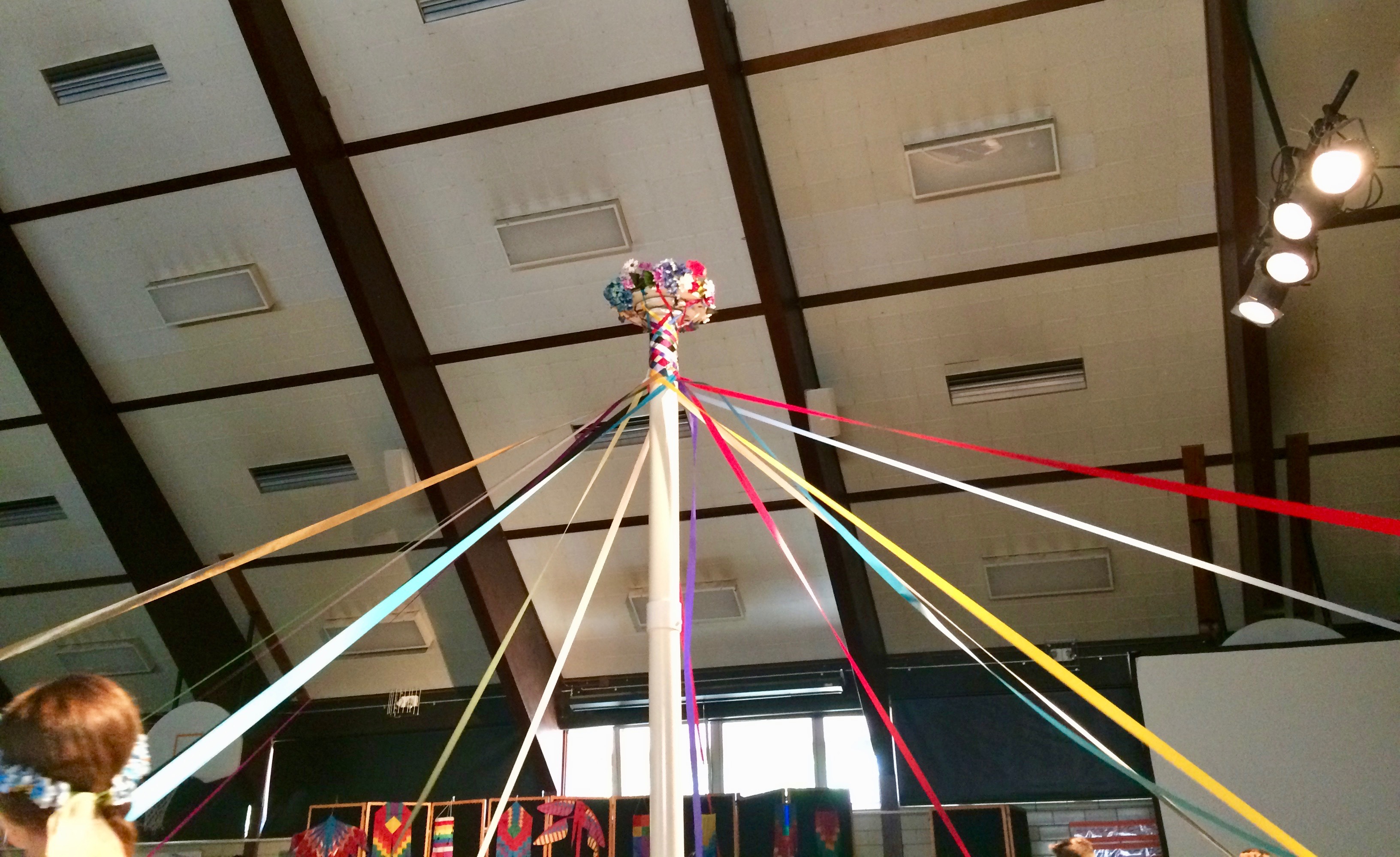
 I didn't have my glasses on....