
perfect day for a waterpark visit
full of
action, sun, squealing
and lots and lots of water
i’m at my best in the lazy river area.
—
“as a group, we’ve been banned from two water parks, one bar, and a dog-grooming salon.”
-j.a. rock – author
perfect day for a waterpark visit
full of
action, sun, squealing
and lots and lots of water
i’m at my best in the lazy river area.
—
“as a group, we’ve been banned from two water parks, one bar, and a dog-grooming salon.”
-j.a. rock – author

happy i’m still around and sweatin’ with the rest of the michigan oldies – one more special day to celebrate

FOR IMMEDIATE RELEASE August 20, 2021 Governor Whitmer proclaims August 21 as Older Michigander Day LANSING, Mich. – Gov. Gretchen Whitmer, in partnership with the Michigan Department of Health and Human Services (MDHHS), is celebrating the state’s more than 2.4 million adults aged 60 years and older by proclaiming Aug. 21 as Older Michigander Day.
|
“the great thing about getting older is that you don’t lose all the other ages you’ve been.”
-Madeleine L’Engle
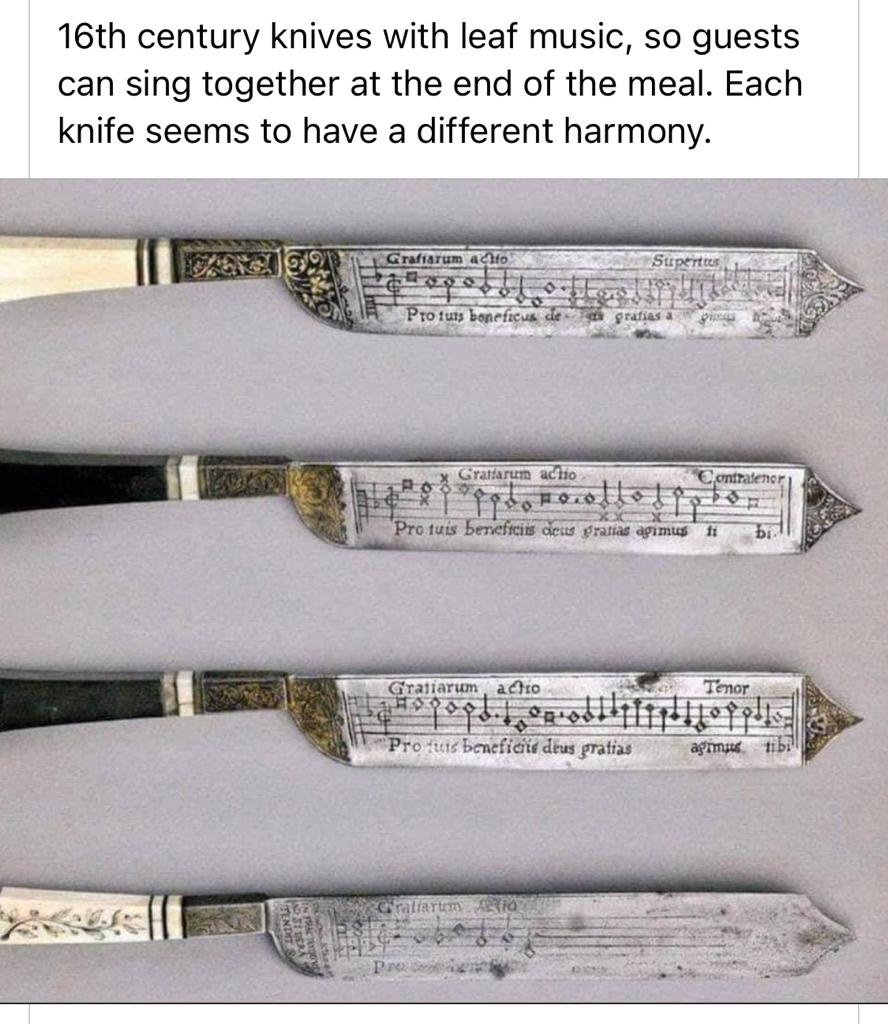
i found this picture of these knives and really wanted to know more. their story is fascinating.
—
Knives with musical notes on the blades are known as notation knives. A notation is the written version of a physical process, such as the sound of music. Once it is written down it can be preserved and recreated. Sung at four different levels.They are the four parts Superius (Soprano) Countratenor (Alto), Tenor, and Bassus (Bass) to be sung simultaneously as in a hymn.
These knives are etched with notations expressing gratitude for a meal. On one side of the blade the inscription translates as, ‘The blessing of the table. May the three-in-one bless that which we are about to eat’, to be sung before the meal is taken. On the other side the notation gives thanks after the meal: ‘The saying of grace. We give thanks to you God for your generosity’. The point of the knife allows meat or bread to be skewered and offered to a fellow diner. Notation knives are extremely rare.
The interesting history of notation knives is explained here on YouTube and the music has been gloriously performed toward the end of the video. It’s only 5 minutes long . Well worth the time! https://youtu.be/-mai-7WUbBo
“those who wish to sing, always find a song.”
-swedish proverb
—
credits: Victoria and Albert Museum, AHRC, Flora Dennis, University of Sussex

classy crap boutique – keepin’ the c in classy-
—
“as long as people will accept crap, it will be financially profitable to dispense it.”
-dick cavett
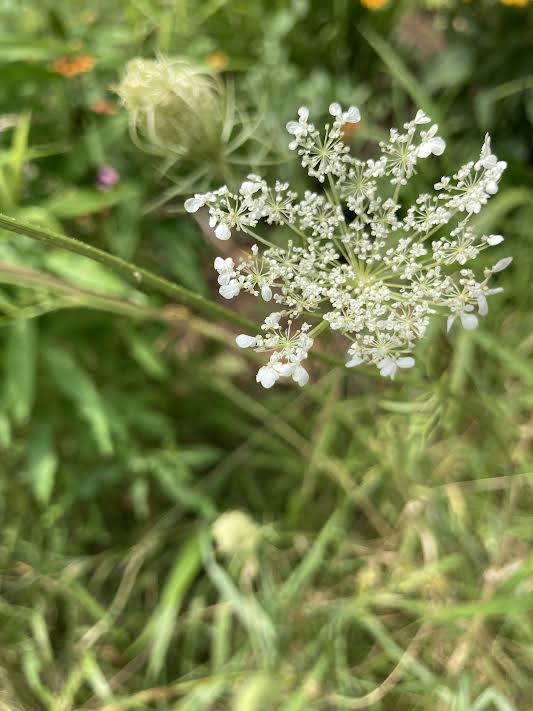

We adapt to smells very quickly. Within the space of just a few breaths, we can lose our ability to detect new odors. It’s called olfactory adaptation, and it’s the same reason you can’t smell your own breath, your body odor, or even your perfume after a few minutes. This, cognitive psychologist Pamela Dalton told New York Magazine, may be a good thing.
Every object in our environment gives off scented molecules. When you inhale, the molecules pass through your nostrils and stick to a wall of mucus on the back of your throat. That mucus is home to receptor cells that tell your brain what it is you’ve just sniffed. Our brains watch out for danger. Any change in our surroundings could represent a threat, so the brain focuses on new sights, sounds, feelings—and smells. After a few sniffs, you should know what needs to be dealt with and what’s okay to ignore. Fresh cut flowers? Nice, but not a problem. The smell of burning hair? Maybe to check that out.
Are you worried that your house reeks and nobody’s telling you? You may be able to find out by employing a few tricks of the perfume trade. Since familiarity is the key, you can give your nose a fresh start by leaving the house for a few hours. When you return, you should be able to get a good idea of what everyone else smells.
If that doesn’t work, try jumping around the room for a few minutes. The increased blood flow can briefly improve your sense of smell. Perfumers actually run up and down the stairs between sniffs, Dalton says. (The downside of vigorous exercise is that you may become a little fragrant yourself.
In the end, how the house smells may be less important than how we feel about it; there’s nothing quite like the smell of happiness.
—
“my theory on housework is,
if the item doesn’t multiply, smell, catch fire, or block the refrigerator door, let it be.
no one else cares. why should you?
-erma bombeck
—
story credits: mental floss – kate horowitz, new york magazine
image credit: tim oun

just a short walk to the river – always full of power and light
(and the power and light have returned to the land!)
thank you to the community for keeping everyone going
—
“one thing you can never underestimate is the power of water.”
-joe teti
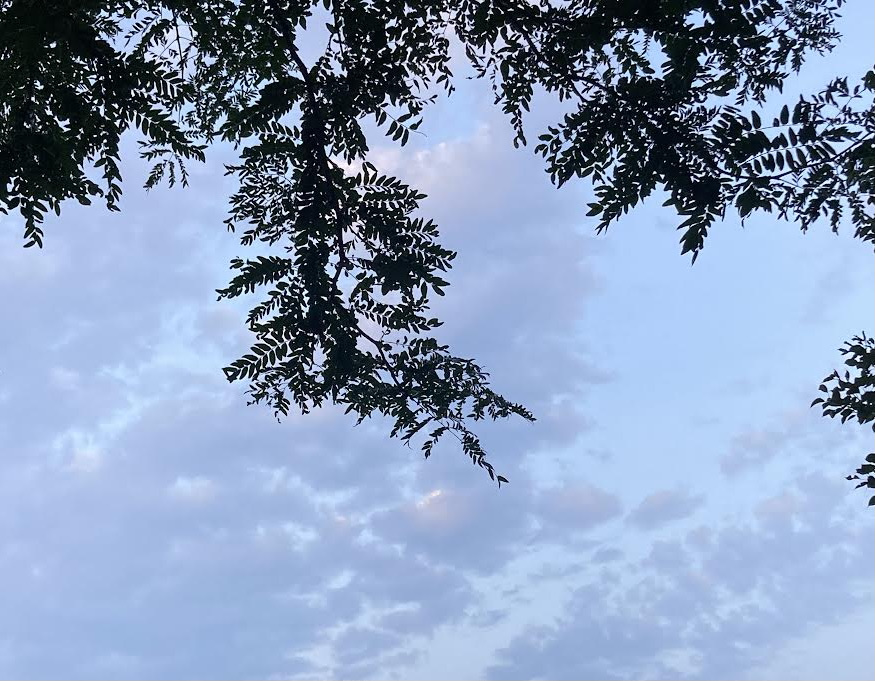
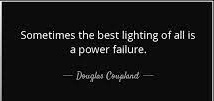
still no power, but beautiful days
—
“the town was glad with morning light; places that had shown ugly and distrustful all night long, now wore a smile; and sparkling sunbeams dancing on chamber windows, and twinkling through blind and curtain before sleepers’ eyes, shed light even into dreams, and chased away the shadows of the night.”
-charles dickens

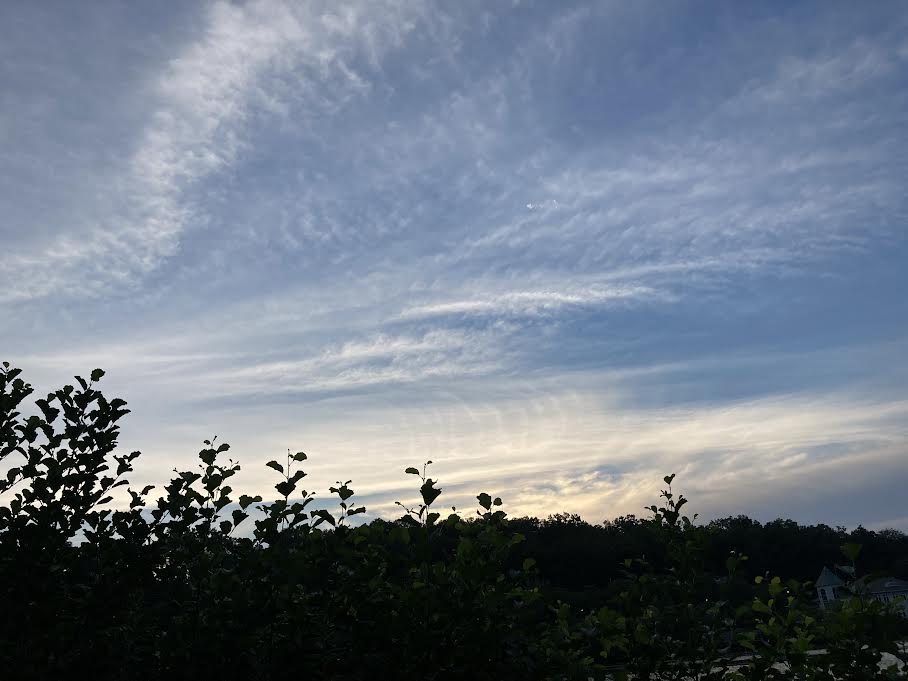
wild storm
then power out for 700,000
can’t stop this from shining through
 I didn't have my glasses on....