
April 1st
Happy April Fools’ Day and April Fish Day!
(vintage French postcard)
—
‘April fool.n. The March fool with another month added to his folly.’
-ambrose bierce

April 1st
Happy April Fools’ Day and April Fish Day!
(vintage French postcard)
—
‘April fool.n. The March fool with another month added to his folly.’
-ambrose bierce
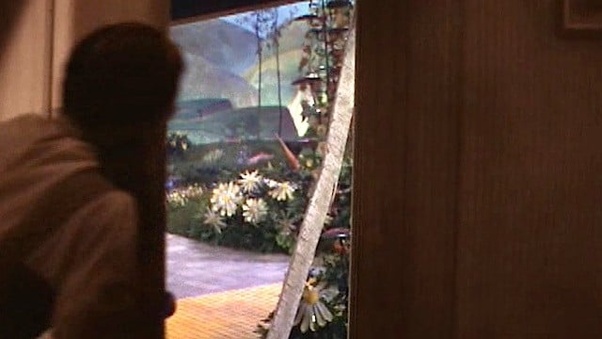
thinking back to the first couple of times
that i saw ‘the wizard of oz’ on the big screen
it never consciously occurred to me that the film
changed from black and white to color
until suddenly later
when watching it again
it hit me
aha!
it was clear as day
it had changed into color in the middle of the film!
why did I not notice this before?
my mind just accepted it without question
I must have been so into it
as i traveled with dorothy from kansas to oz and back.
and fought off the flying monkeys
that I didn’t even notice this dramatic change
no other explanation.
—
In the 1939 movie “The Wizard of Oz,” the transition from black-and-white to color occurs when Dorothy arrives in the Land of Oz.
While color films were becoming more common in the late 1930s, many movies were still primarily shot in black-and-white. The use of color in “The Wizard of Oz” was a significant and innovative choice that added to the film’s magical quality. The vibrant colors of Oz contrasted sharply with the sepia tones of Kansas, enhancing the thematic elements of the story.
For many viewers, the transition served as a stunning visual surprise, symbolizing Dorothy’s escape from the mundane world into a fantastical realm. The moment has since become iconic in film history, but at the time, it was a creative risk that paid off, leaving a lasting impression on audiences.
—
I do clearly remember the very first time I ever saw color on our tv. It was 1961 and I was 4 years old. We just bought a color tv for the first time and turned on Walt Disney’s Wonderful World of Color, which opened with full color fireworks! Wowwwwww!!!!!
—
“colour is a power which directly influences the soul.”
– wassily kandinksy
—
source credits: MGM studios, NBC tv
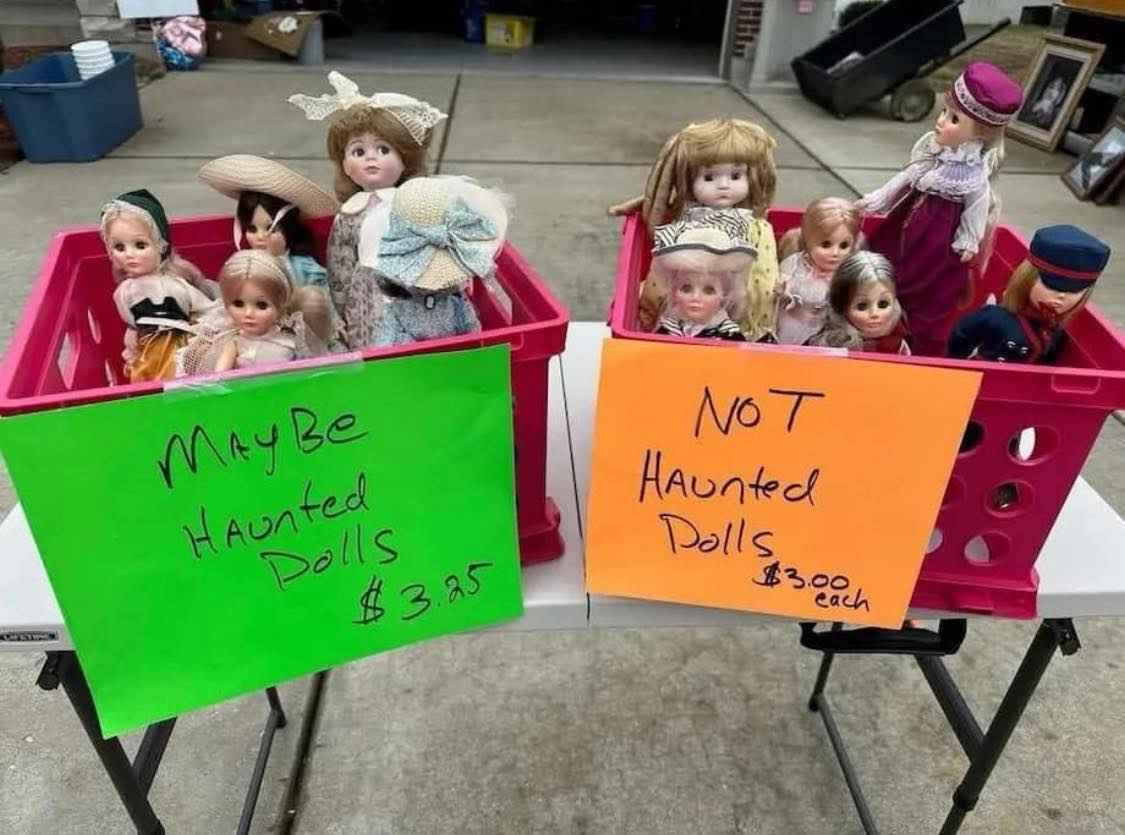
noooooooooooooooooooooooo
and how do they know which is which?
and why do the maybe haunted ones cost more?
and aren’t they all maybe haunted?
—
‘dolls with no little children around to mind them were sort of creepy under any conditions.’
-stephen king, ‘desperation’
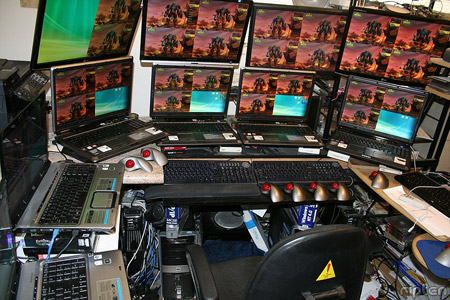
how my desktop computer setup appeared to me back in the day
—
years ago, in another universe
when i worked in the world of advertising
I was in an office setting and used a desktop computer
of course it was often the bane of my existence
but somehow I worked with/around it
getting most of the things I needed to do on my computer done
after a lot of trial and error and who knows what
one day, our long suffering multi-tasking creative/i.t. guy
came into my office after returning from a conference
he sat down in front of my desk and shared something he’d learned there
they had talked about how every office has a ‘bob’
a person who could do things to their computer
that they could not explain or get out of
or their computer got so messed up
that the i.t. person had to fix it
but had never seen anything like it before
they had to try to undo what had been done
the bob could not explain
how it happened
how they got there
what they were trying to do
he said, ‘beth, you are our ‘bob’
he got up out of the chair and returned to his office.
—
‘in my case, there are only two kinds of hope – bob hope and no hope.’
-eddie the eagle

artist Tatsuya Tanaka uses everyday objects and food items to create amazing mini worlds. his latest creation: ‘Shaun the Sauna’! was inspired by Shaun the Sheep, one of my favorite cartoons’ and made into dumplings, one of my favorite foods. what’s not to love?
—
‘dumplings – little pockets of joy waiting to be savored.’
-author unknown
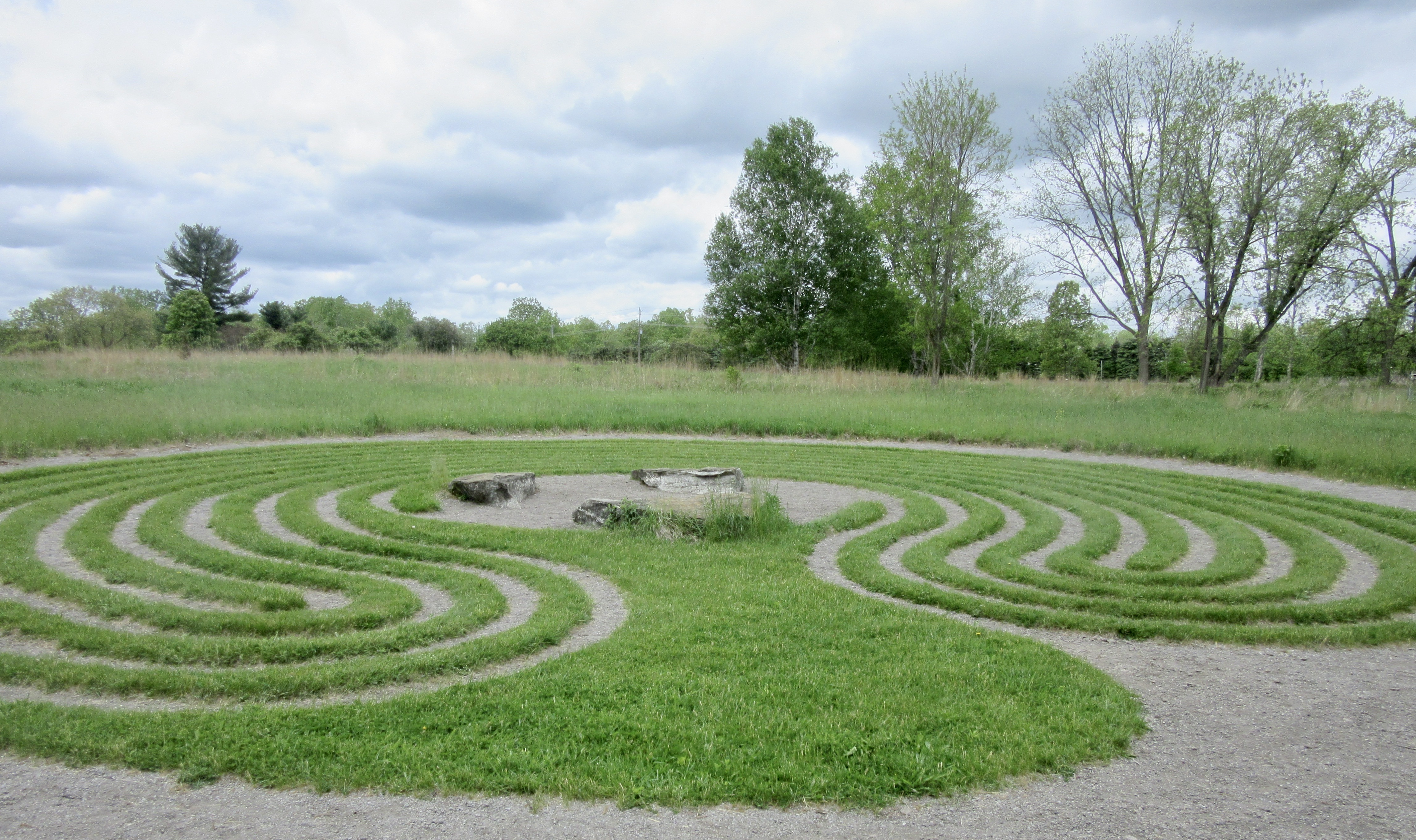
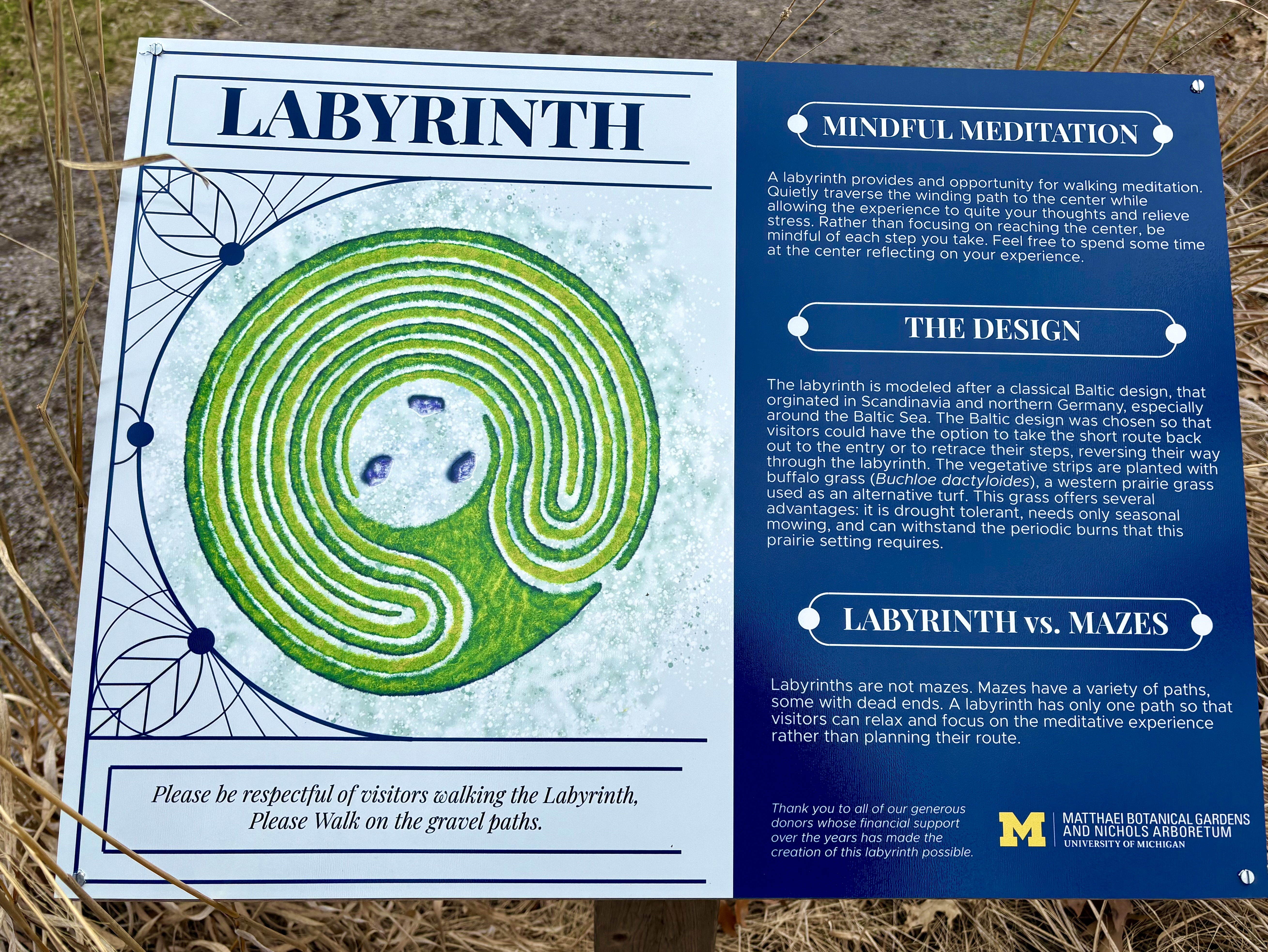
so wonderful discovering the beautiful labyrinth
at the matthaei botanical gardens
i’ve been here a number of times
but have never found this
we slowly walked
round and round and round and round and round and round….
somehow changing directions at one point
i thought it to be a very short path in the beginning
but fell under its spell after a while
way longer than i imagined
it really does lead you to imagine
at last
finally finding ourselves
on the large stones in the center.
‘things outside you are projections of what’s inside you,
and what’s inside you is a projection of what’s outside.
so when you step into the labyrinth outside you,
at the same time you’re stepping into the labyrinth inside.’
-haruki murakami
—
photo credit: taken by Steve Jensen, in the summer
on our recent visit, this week, it was a moody and windy day
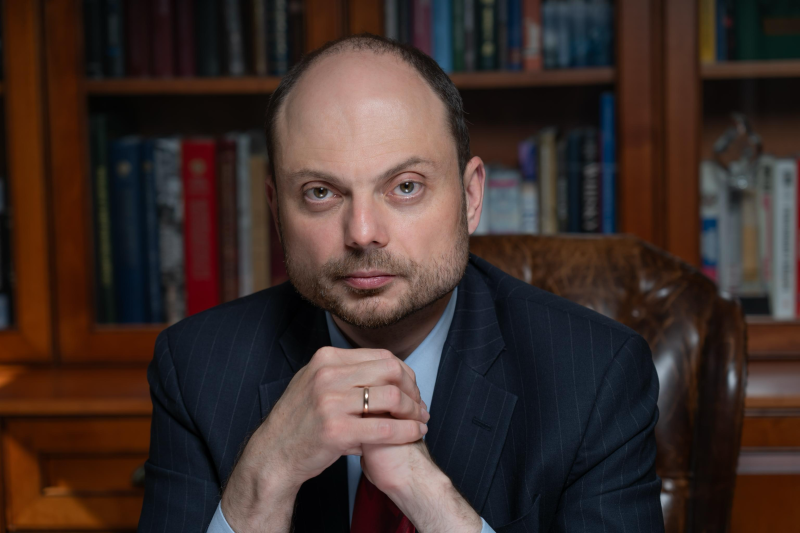
Presented By:
Weiser Center for Europe and Eurasia at the University of Michigan
Distinguished lecture. Russia Beyond Putin
Vladimir Kara-Murza is a Russian politician, author, historian, and former political prisoner. A close colleague of the slain opposition leader Boris Nemtsov, he has served as deputy leader of the People’s Freedom Party and was a candidate for the Russian Parliament. Leading diplomatic efforts on behalf of the opposition, Kara-Murza played a key role in the adoption of Magnitsky sanctions against top Russian officials by the United States, United Kingdom, European Union, Canada, and Australia. For this work he was twice poisoned and left in a coma; a joint media investigation by Bellingcat, The Insider, and Der Spiegel has identified FSB officers behind the attacks. In April 2022, Kara-Murza was arrested in Moscow for publicly denouncing the invasion of Ukraine and the war crimes committed by Russian forces. Following a closed-door trial at the Moscow City Court, he was sentenced to 25 years for “high treason” and kept in solitary confinement at a maximum-security prison in Siberia. He was released in August 2024 as part of the largest East-West prisoner exchange since the Cold War negotiated by the U.S. and German governments.
Kara-Murza is a contributing writer at The Washington Post, winning the 2024 Pulitzer Prize for his columns written from prison, and has previously worked for Echo of Moscow, BBC, RTVi, Kommersant, World Affairs, and other media organizations. He currently serves as vice-president at the Free Russia Foundation, as senior advisor at Human Rights First, and as senior fellow at the Raoul Wallenberg Centre for Human Rights. He was the founding chairman of the Boris Nemtsov Foundation for Freedom and has led successful international efforts to commemorate Nemtsov, including with street designations in Washington D.C. and London. Kara-Murza is a recipient of several awards, including the Council of Europe’s Václav Havel Human Rights Prize, and is an honorary fellow at Trinity Hall, Cambridge.

even in the midst of a very cool spring
one of the best ways to enjoy the day.
—
“walk as if you are kissing the earth with your feet.”
– Thich Nhat Hanh
—
saginaw woods, ann arbor, michigan, usa – spring 2025
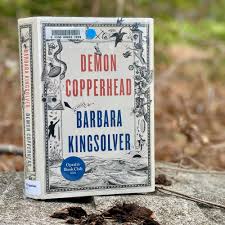
“when you’re in a position to have gotten so much, the gift at this point is giving back.”
— paul stanley, american musician, kiss
—
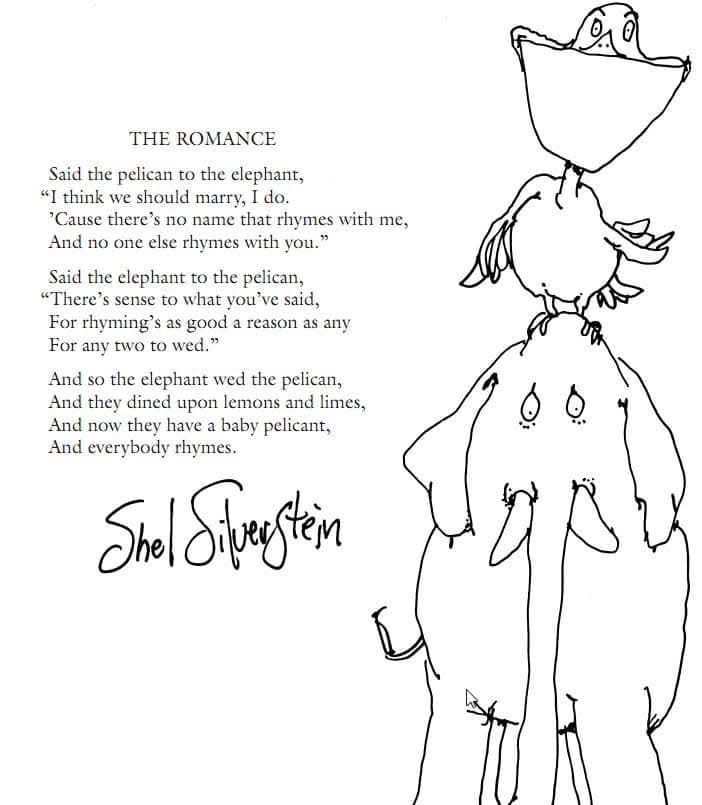
source/image credit: harper collins

