
the courtship is on for pete and olive

‘the need for connection and community is primal, as fundamental as the need for air, water, and food.’
-dean ornish
the courtship is on for pete and olive
‘the need for connection and community is primal, as fundamental as the need for air, water, and food.’
-dean ornish

pete’s glam shot
—
and just like that
in steps pete the cat
(i named him after my fav politician/good human, pete b.)
born memorial day weekend
found in the trunk of an old car in a barn
by faerie tales cat rescue
how could i not support a group with this name
how could i not choose this sweet guy to join our family
pete is a little shy right now and stepping out tiptoe-style
soon he’ll be prancing around
singing his song
in his white shoes
playing and bonding with olive.
both sweet and gentle cats
pete’s foster mom
said his hobbies are
watching tv, eating treats, and playing with feather toys
and
is the most affectionate cat she’s ever met
very similar to olive’s demeanor and minimalist athletic style
i see them as ‘soon to become best friends/siblings.’
—
-pete the cat

credits: pete the cat and his white shoes: eric litwin, james dean, harper collins publishing
 this book dedication popped up in my feed, and i’d love to know the story.
—
‘remember, behind every great person is a cat ignoring them’.
-author unknown
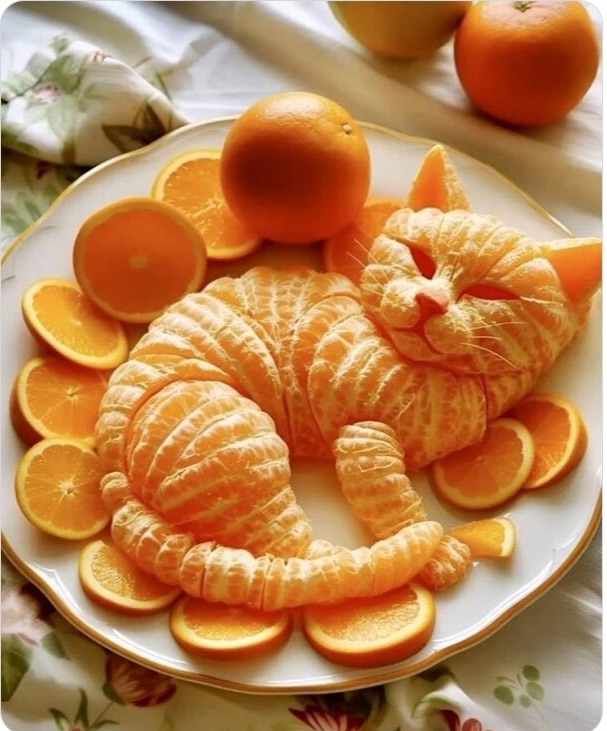
wh0 wouldn’t love to have a tangerine cat?
—
“our holiday food splurge was a small crate of tangerines, which we found ridiculously thrilling after an eight-month abstinence from citrus. lily hugged each one to her chest before undressing it as gently as a doll. watching her do that as she sat cross-legged on the floor one morning in pink pajamas, with bliss lighting her cheeks, i thought; lucky is the world, to receive this grateful child. value is not made of money, but a tender balance of expectation and longing.”
-Barbara Kingsolver
Barbara is a Pulitzer Prize-winning American novelist, essayist, and poet. Her widely known works include The Poisonwood Bible, the tale of a missionary family in the Congo, and Animal, Vegetable, Miracle, a nonfiction account of her family’s attempts to eat locally. Lily, mentioned above, is her daughter, now also an author and an environmental scientist.
—
image credit: pinterest
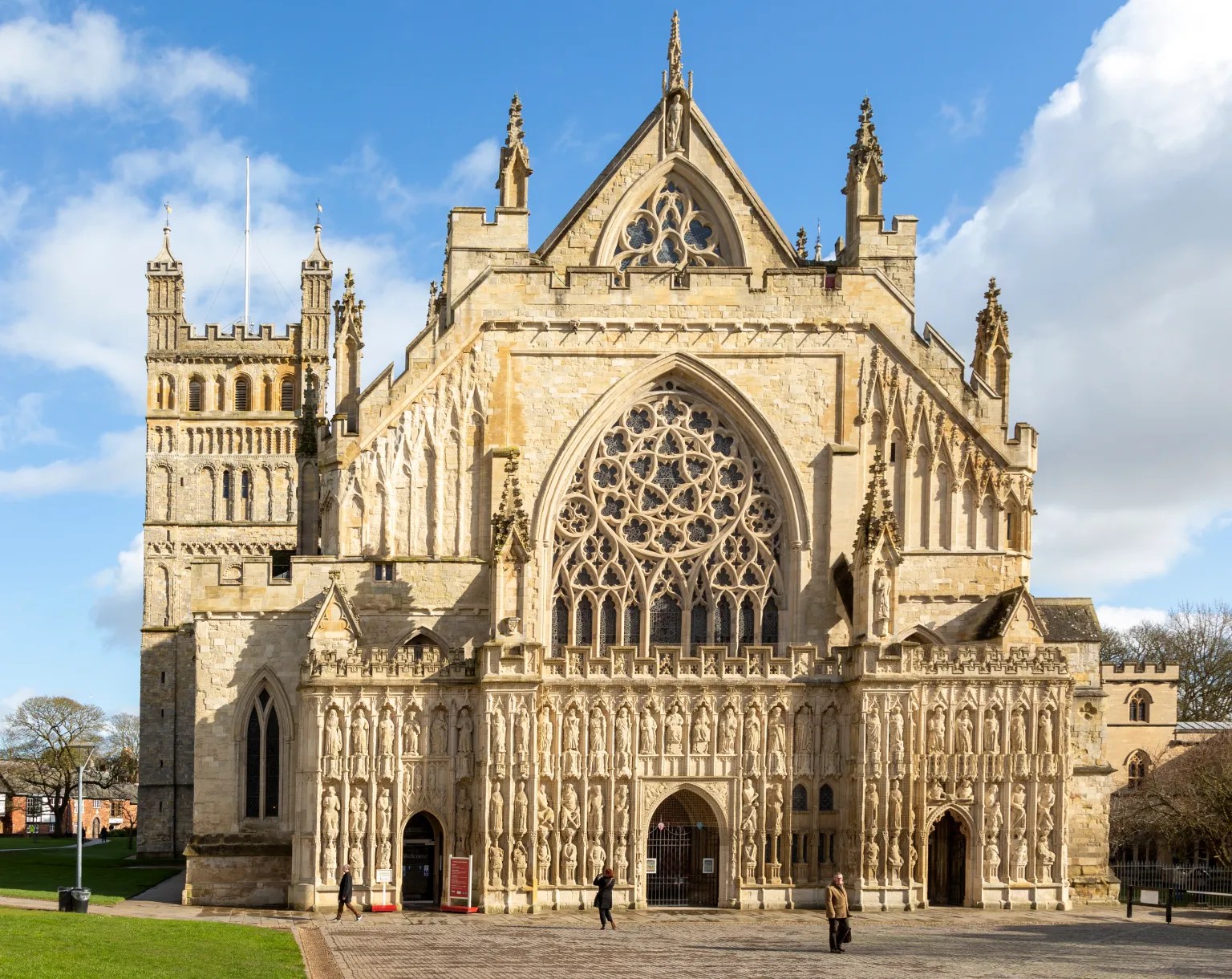
the 400-Year-Old Cat Door at Exeter Cathedral, Where Felines Were Once on Payroll
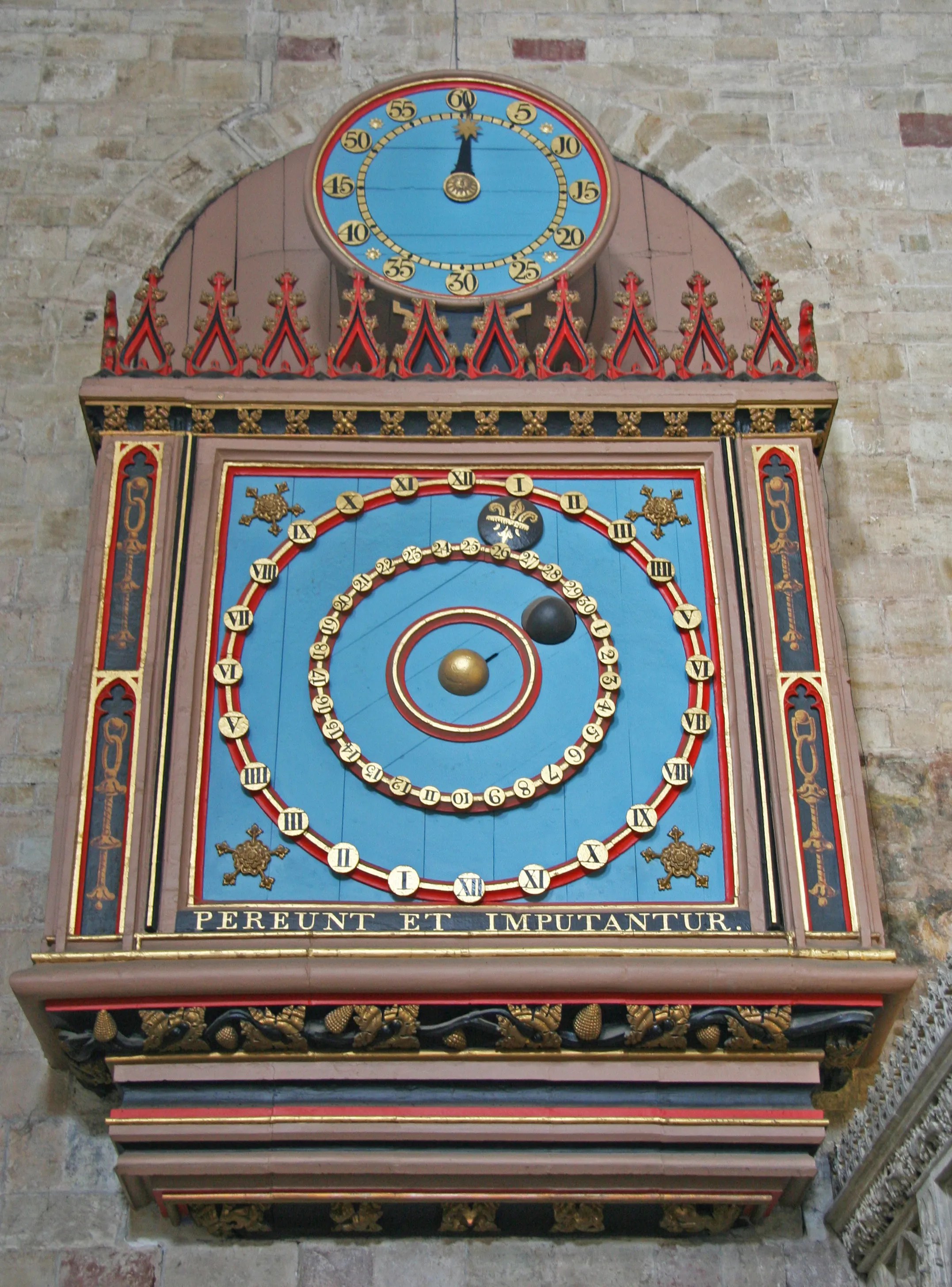
Founded in the 11th century, England’s Exeter Cathedral is famed for its stunning features — including its medieval astronomical clock, a working replica of the solar system as it was understood at the time. But the building also boasts another ancient wonder: a cat door that may be among the world’s oldest.
Cut into the bottom of the door to the clock room is a small, cat-sized hole, and records show it was put there with a purpose. In 1598,Queen Elizabeth I nominated William Cotton for the role of Exeter Cathedral bishop. When he started his post, he also seems to have recruited a helper.
“It is from Bishop Cotton’s time that we have the record, ‘Paid ye carpenters 8 pence for cutting ye hole in ye north transept door for ye Bishop’s cat,’” said cathedral historian Diane Walker. It’s likely the hole served less to assist the kitty in catching mice and rats.
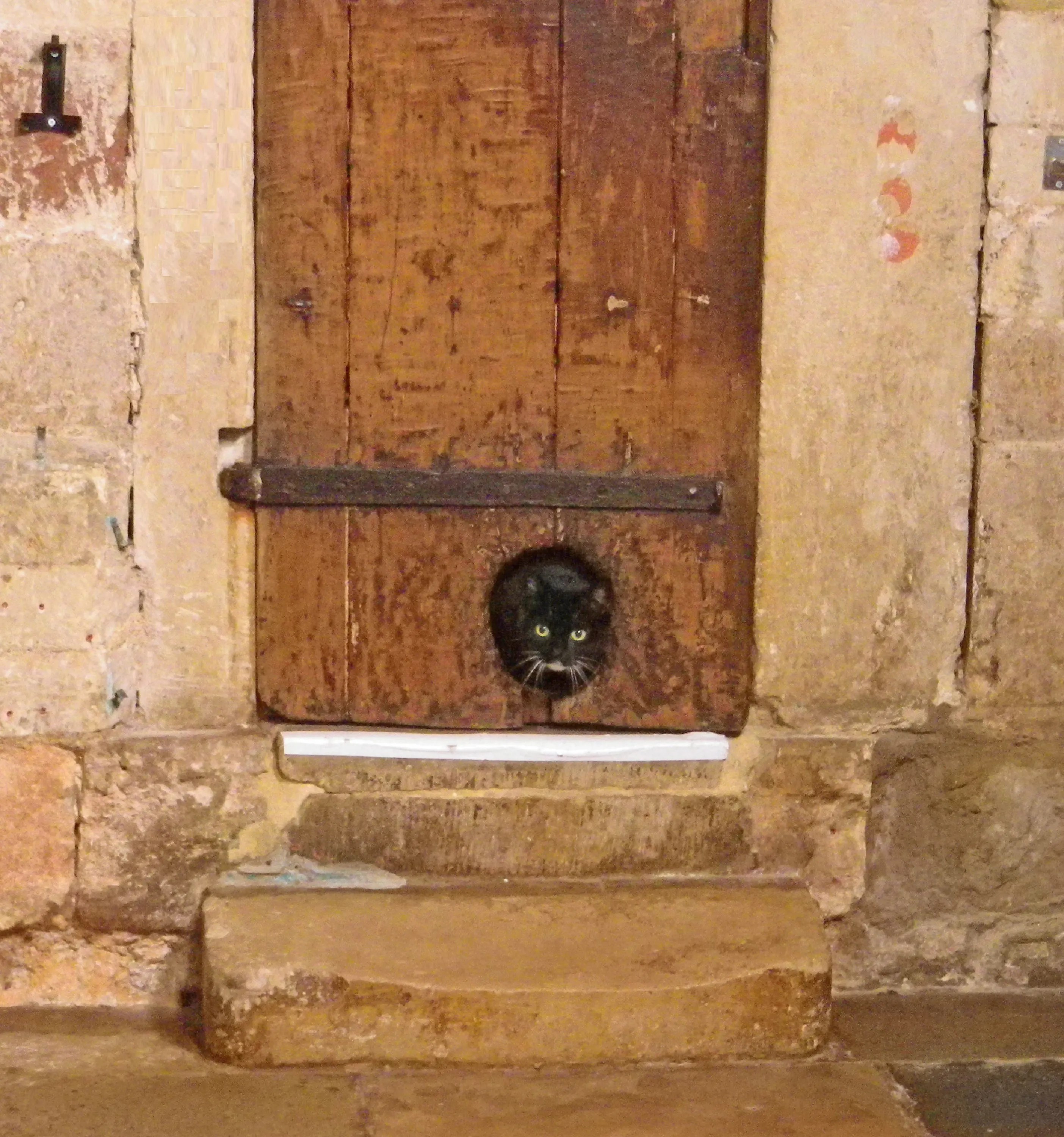
“The fat used to lubricate the clock mechanism would have been a great attraction for vermin,” said Walker, “hence the need for the cat to have access to this space.” The use of lard for clock maintenance was commonplace during that time period — and is believed to be represented in a famous children’s rhyme.
“Although there’s no evidence of a specific association with Exeter Cathedral, the nursery rhyme ‘Hickory, Dickory, Dock’ with its reference to ‘the mouse ran up the clock’ is most likely to have its origins in mice climbing parts of clock mechanisms, rather than climbing the outside of a long case clock as normally illustrated,” Walker explained
Cotton’s kitty wasn’t the first feline to call the cathedral home, though. Even before the hole was cut into the door, cats were employed by the church to keep the vermin population in check. Records from the 14th and 15th century indicate payments made to cats — or more likely, their owners — in the amount of 13 old pence per week. And another form of record also memorializes that arrangement: a medieval carving in the cathedral that depicts a cat attacking two rodents.
The payments seem to have ceased by the time Cotton and his cat arrived — though the jury is out on whether the feline was paid under the table. “We do not know whether Bishop Cotton’s cat received any payment for its services,” Walker said. But the cathedral’s feline history doesn’t end there. A post-World War II chapel carving depicts a one-eyed stray cat named Tom who became “quite a cathedral celebrity” after he was adopted by the head virger. (caretaker)
“He would sit in the bishop’s throne but never attempted to jump on an altar. One year he enjoyed settling into the Christmas manger tableau to the delight of visitors,” Walker shared.
“While he would spend much time wandering in the grounds surrounding the cathedral, he is also reported to have been particularly attentive in the cathedral during sermons when he would sit still and upright!”Fast forward to today, and kitties can still occasionally be seen using the medieval cat door — thankfully, the rodents are no longer an issue that requires feline attention.
—
“when rome burned, the emperor’s cats still expected to be fed on time.”
—
source credit: rebekah brandes, photo credits: diane walker, universal images, getty

just a guess,
but i’m thinking
this was not
thoroughly thought through
market tested
or
focus grouped
and may not go well.
—
“nothing dies harder than a bad idea.”
-julia cameron
—
source credit: mingott pet
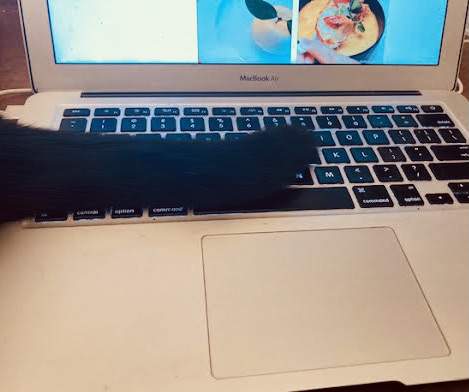
just a subtle reminder that
olive the cat not the martini garnish/editor at large/bon vivant
is always watching
ready to offer ‘worldly suggestions’ to improve my writing.
—
“you can observe a lot just by watching.”
-yogi berra
not olive and i,
but similar to what went down when we wrapped gifts together
i apologize in advance for any cat hair in the tape.
==
“a wonderful gift may not come wrapped as you expect.”
-johnathon lockwood huie
—
photo credit: getty images- 1938

my daughter’s two black cats
who i collectively call ‘the nathans’
waited until her halloween display was up
deciding to become the stars
sitting centerstage in the tableau.
—
“in a cat’s eye, all things belong to cats.”
-joseph wood krutch

a kind tribute
to my little himilayan irish kitty
yeti kennedy
from my compassionate vet’s office
in a perfect circle
he
appeared from the wild
returned to the wild.
—
“trees are as close to immortality as the rest of us ever come.”
― karen joy fowler


