Jan17
Category Archives: community
Jan11
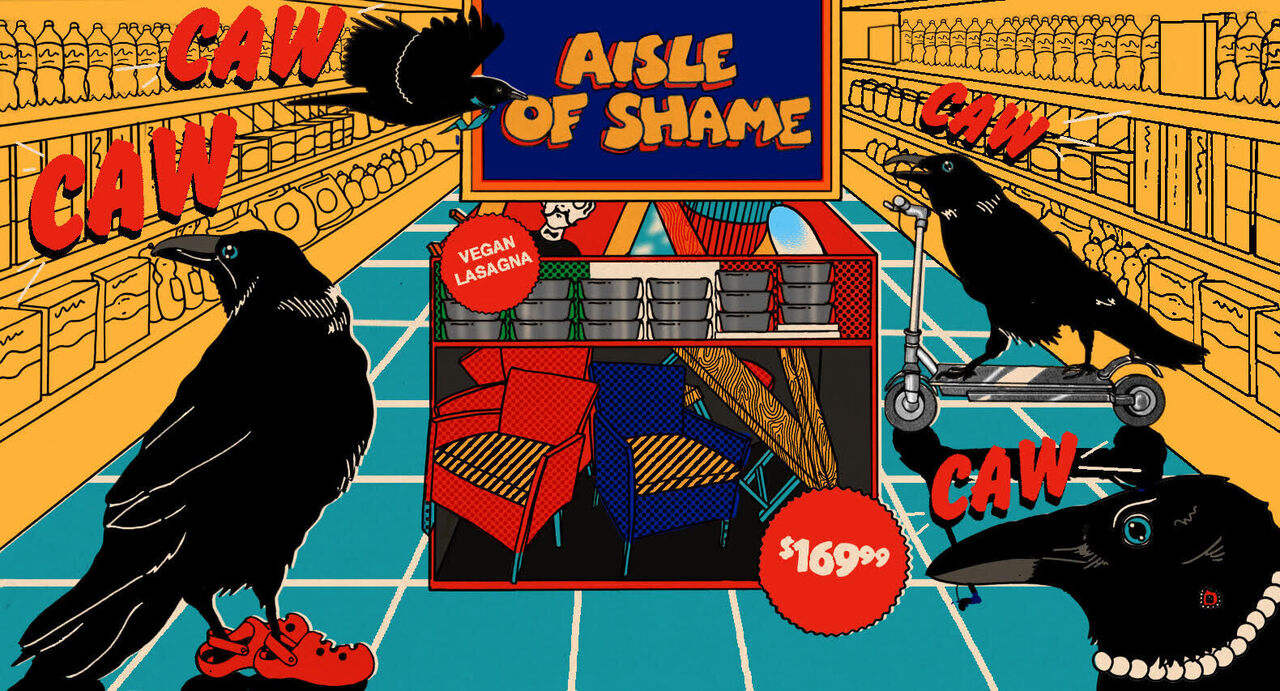
aisle of shame.
The “Aisle of Shame” is the unofficial name Aldi enthusiasts have given the store’s middle aisle, home to a weekly rotation of curious edible and non-edible products available only while supplies last. We’re talking everything from vegan lasagna made from lentils to a churro maker and apple cinnamon latte-flavored dog biscuits. The recipe for the Aisle of Shame’s surprising cult status combines the joy of a bargain, the thrill of discovery, the allure of the unusual, and the satisfaction of snapping up a limited-time offer.
“It’s something that you can use to express yourself and add fun and joy to your grocery shopping,” says enthusiastic shopper Brenna Bazemore of its odd assortment of products. “I hate grocery shopping, but I love to go to Aldi and shop, because I know I’m at least going to get something that I can use outside of food and that’s always exciting to me.”
Plus, she can share her excitement with a million other AOS fans in the Facebook group where members share more than recipes, reviews, and Insta-worthy pics. With an evolving lingo, hashtag trends, and a propensity for random acts of kindness, the Aisle of Shame community is a unique food culture inspired by a grocery store. The Aisle of Shame’s edible advent calendars contain beer, cheese, and more. “It started as a fan group and it has become so much more,” writes Stefanie Fleming, the creator of the Aisle of Shame website and Facebook group.
While each week’s AOS items can often seem like a compilation of randomness, a method exists. Since Aldi keeps prices low by stocking about 1,400 products (mostly staples) compared to a conventional grocery store’s 40,000, the AOS introduces more excitement and variety for shoppers. The aisle, which each week is split 50-50 between edible and non-edible items, often has a theme, whether seasonal (pumpkin foods in the fall; pool products in the summer) or regional (many AOS enthusiasts plan meals of schnitzel, spätzle, and strudel around the aisle’s German Week). Nils Brandes, a retail consultant who has co-written a book on Aldi’s business strategies, estimates that 20 percent of all yearly sales come from these products.
The Aisle of Shame is also where the grocers test new products to gauge their popularity—the vegetarian and vegan Earth Grown and gluten-free LiveGfree product lines, for instance, advanced from the AOS to the main aisles. “It’s crazy to think this is a grocery-store community,” Bazemore says.
After some thought, McKillip observes that Aldi shoppers might be more down-to-earth, their need to make a dollar stretch giving them both a healthier perspective about the products and more joy when they have room in their carts and budgets for the AOS’s more quirky products. Ultimately, though, she offers a simpler explanation: “It’s fun.”
—
“you’ve got bad eating habits if you use a grocery cart in 7-eleven.”
-dennis miller
Dec30
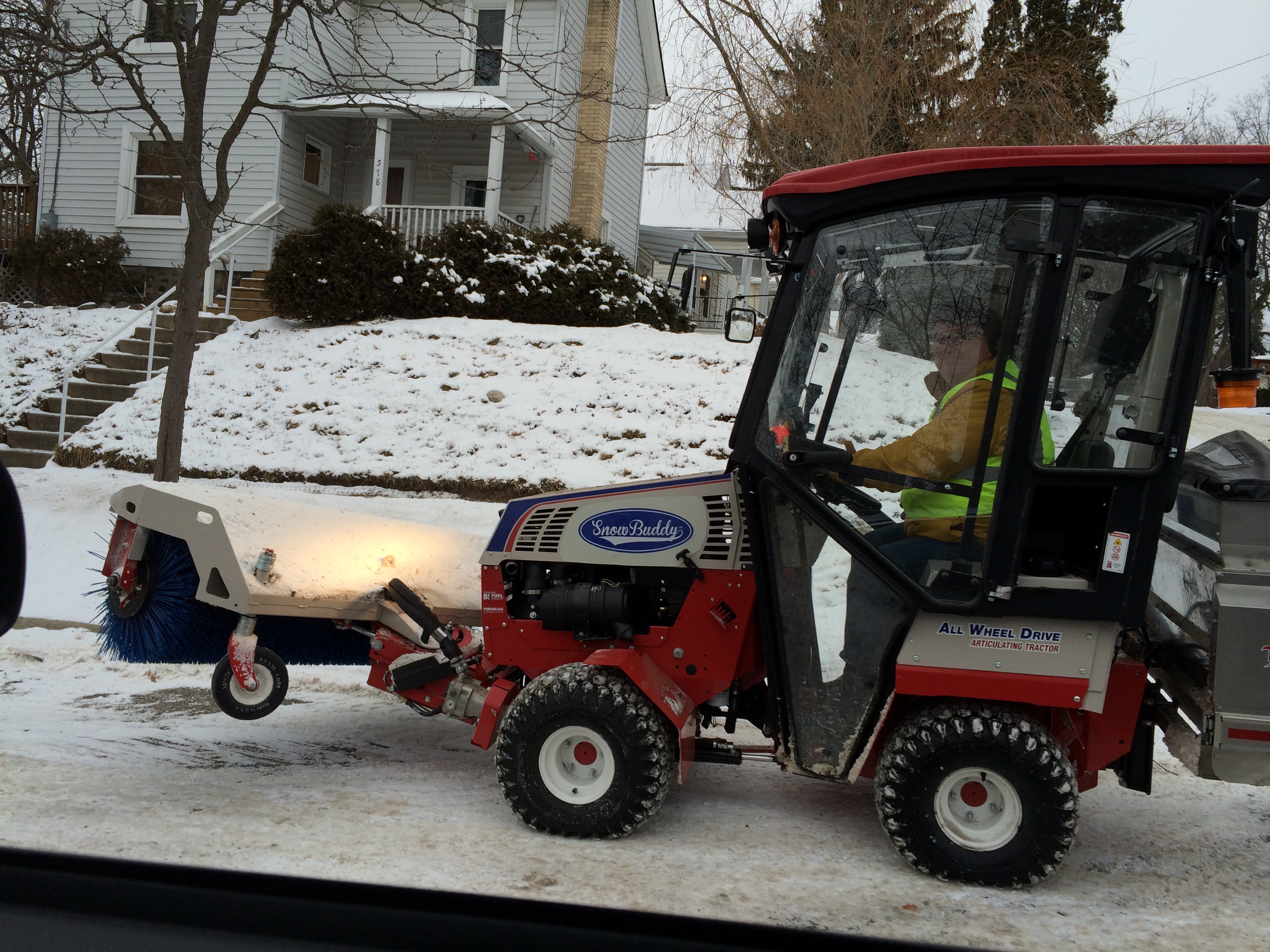
snow buddy.
a wonderful community initiative
happened in a nearby neighborhood
when they got together and purchased a ‘snow buddy’
anyone who is at least 18 can train and sign up
to take a turn clearing the sidewalks
each time it snows
all are welcome to take a shift
anytime i’ve seen someone
out in the snow buddy
they are always smiling
i’ll bet the whole neighborhood is smiling.
“summer friends will melt away like summer snows, but winter friends are friends forever.”
– george r.r. martin
Nov2
today’s the day.
—
credit: lisa clair, hamlet hub
Aug14
*day 3.

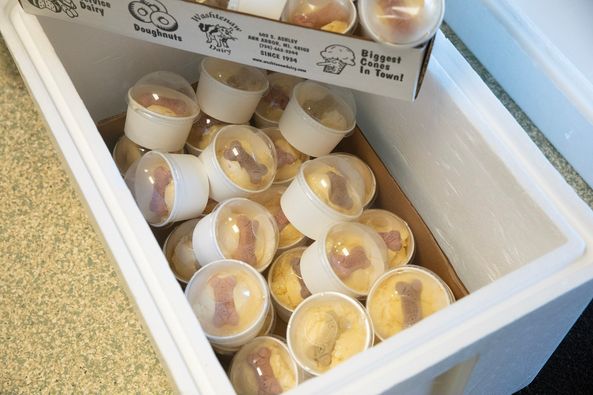
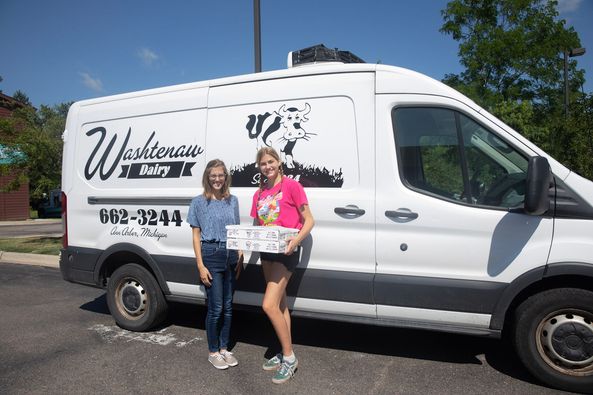
washtenaw dairy has power – a beacon of light!
ice cream didn’t melt – a small miracle
—
“life is such a miracle, a series of small miracles.
it really is, if you learn how to look at it with the right perspective.”
-james patterson
*(updated estimated time for my power restoration – monday at 11:30pm)
Aug7
hidden life radio.
listen….
Silent tree activity, like photosynthesis and the absorption and evaporation of water, produces a small voltage in the leaves. In a bid to encourage people to think more carefully about their local tree canopy, sound designer and musician Skooby Laposky has found a way to convert that tree activity into music.
By connecting a solar-powered sensor to the leaves of three local trees in Cambridge, Massachusetts, Laposky was able to measure the micro voltage of all that invisible tree activity, assign a key and note range to the changes in that electric activity, and essentially turn the tree’s everyday biological processes into an ethereal piece of ambient music.
You can check out the tree music yourself by listening to the Hidden Life Radio—Laposky’s art project—which aims to increase awareness of trees in Cambridge, Massachusetts, and the city’s disappearing canopy by creating a musical “voice” for the trees.
The project features the musical sounds of three Cambridge trees: a honey locust, a red oak, and an 80-year-old copper beech tree, all located outside the Cambridge Public Library. Each tree has a solar-powered biodata sonification kit installed on one of its branches that measures the tree’s hidden activities and translates it into music.
According to WBUR, between 2009 and 2014, Cambridge was losing about 16.4 acres of canopy annually, which is a huge loss considering that tree canopies are crucial to cities, cooling them down during the summer, reducing air pollutino, sucking up carbon, and providing mental health benefits.
Laposky hopes that people will tune into Hidden Life Radio and spend time listening to the trees whose music occurs in real-time and is affected by the weather. Some days they might be silent, especially when it hasn’t rained for several days and they’re dehydrated. The project will end in November, when the leaves will drop — a “natural cycle for the project to end,” Laposky says, “when there aren’t any leaves to connect to anymore.”
—
“in a cool solitude of trees
where leaves and birds a music spin,
mind that was weary is at ease,
new rhythms in the soul begin.”
-william kean seymour
—
source credits: Kristin Toussaint, The Optimist Daily, WBUR Radio
Apr14
how to be.
This sculpture was built by the Irish people in their own country to honor the American Choctaw Indian tribe.
They were grateful because the Choctaw people sent money to Ireland
when they learned that Irish people were starving due to the potato famine.
And that is a lesson in how to be a person in this world.
—
“Generosity is not giving me that which I need more than you do,
but it is giving me that which you need more than I do.”
-Khalil Gibran
==
source: open homes, open hearts u.s., karen waters
Feb16
keeping joy alive.
Mardi Gras Artists Keeping Joy Alive in New Orleans by Turning Homes into Parade Floats
Meghan Overdeep of Southern Living Magazine explored how New Orleans is continuing Mardi Gras traditions even though parades were canceled due to the pandemic. New Orleans is still finding a way to laissez les bons temps rouler this Carnival season.
“Hire a Mardi Gras Artist,” the latest altruistic endeavor from Krewe of Red Beans, is a grassroots effort that aims to transform 40 Orleans Parish homes into Mardi Gras floats, putting laid-off artists back to work and inspiring the city along the way.
The project is the brainchild of artist and float designer Caroline Thomas. The idea for “Hire a Mardi Gras Artist” came to her after several people asked her to decorate their homes. Thinking there might be an opportunity to put the whole industry back to work, Thomas approached Krewe of Red Beans and Feed the Second Line founder Devin De Wulf.
Feb1
take art leave art.
WDIV-TV shares a recently discovered local treasure –
When glass artist Shawn Bungo and his wife moved to Ann Arbor from Knoxville, Tennessee six months ago, they knew moving to a new city during a pandemic would be a challenge. No stranger to community collaboration, Bungo decided to engage with locals through virtual scavenger hunts for small glass works he would hide across town — and they were an overnight hit. He originally started the tradition while going on walks with his dog, Leo, in Knoxville.
“Being a glass artist, you have a lot of pieces that don’t come out, so that’s what started that,” said Bungo. “When I moved up here, after the pandemic started, I started doing that again where I would just go around and randomly hide things and put my card with them — typically in downtown Ann Arbor. I really connected with the community with that.”
Nowadays, his items are claimed within hours of his posts — and in some cases the people who find them share a photo of them collecting his works.
On his many walks, Bungo became fascinated with the city’s numerous Little Free Libraries. He shifted his scavenger hunts to showcase the various library boxes around town — which inspired him to relaunch a project he created in Knoxville.
Bungo constructed a Take Art Leave Art box and gallery outside his home on Ann Arbor’s south side. The concept is a free art exchange between community members.
“I just recently put it back up two weeks ago and I shared it with the Ann Arbor Townies group on Facebook,” said Bungo. “As soon as I did that, I almost immediately got people involved in it and it’s been really fun.”
He said he’s received about a dozen miniature paintings and other small items in the 12×12-inch box, some with handwritten notes. “Over the years, I’ve gotten poems, photographs — I’m open to everything,” said Bungo. He said it has served as a fun way to engage with other Ann Arborites during the pandemic.
“With people being so isolated right now, I think it’s the perfect time to do something like this, “ he said. “It allows me to connect with people because we haven’t been able to.” Bungo was supposed to show at the Ann Arbor Art Fair last summer, and with the event being canceled, he felt like he missed out on a true introduction both to Ann Arbor’s art scene and its residents. For now, keep an eye out for his latest adventures with Leo and his front yard gallery. You might just find a tiny treasure — if you look close enough.
story: wdivtv,clickondetroit, meredith bruckner – photos: shawn bungo, bungo glass
“art is too important not to share.”
-romero britto
Dec8