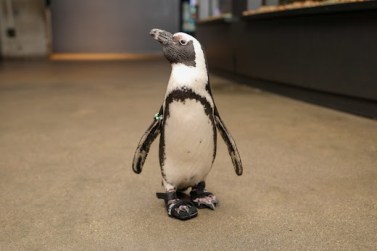
A plucky penguin at the New England Aquarium has a new bounce in her step after being fitted with a pair of custom orthopedic sandals. The 24-year-old African penguin, named Beach Donkey, was diagnosed with a chronic foot condition common among avian species, and the sandals were crafted as part of her treatment plan. But getting her to happily wear them required some buttering up by the people who know her best.
“Field trips” around the aquarium served as incentives: The little bird enjoyed “novel views” as she strolled through the facility, allowing trainers to work with her feet in a more hands-on manner. “She has always been a curious bird and seemed to really like the opportunity to explore the aquarium, outside of her exhibit space. Of course, our staff also loved when she would make appearances in unexpected places,” said Senior Penguin Trainer Amanda Barr.
In addition to caring for Beach Donkey and her fellow penguins, the New England Aquarium participates in a program called African Penguin SAFE (Saving Animals From Extinction), which supports conservation efforts and breeding programs to increase the birds’ presence in the wild.
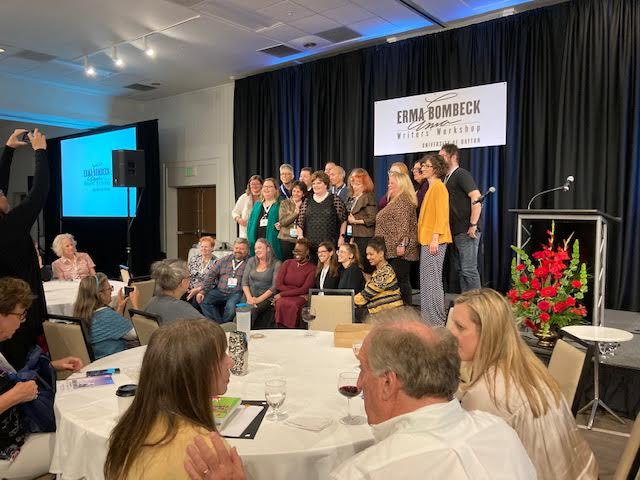
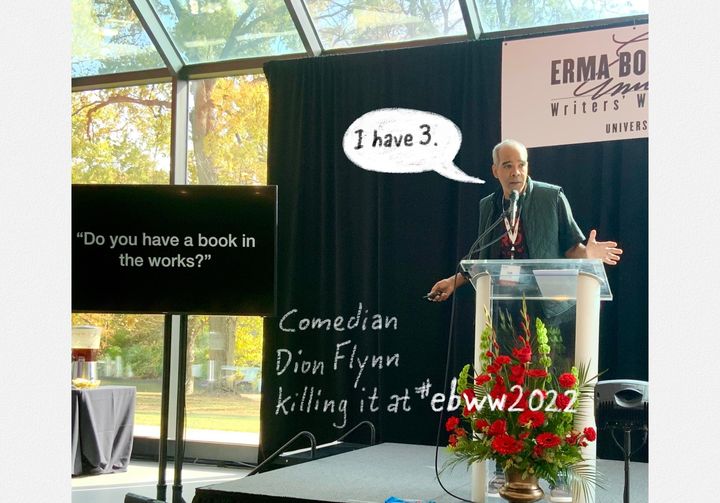
memoirists, novelists, songwriters, television writers, screenwriters, comedy writers, social media writers, cookbook authors, newspaper writers, bloggers, it writers, comicstrip writers, standup comedians, human interest writers, 92 year old and 17 year old writers, actors, playwrights, short story writers, cartoonists…
so much creative energy all in one place
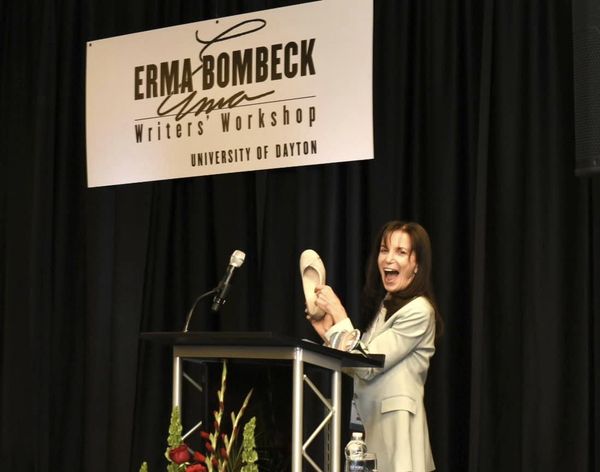
learning, listening, talking, writing, improv, playing, crying, laughing my face off with stomach hurting fun.
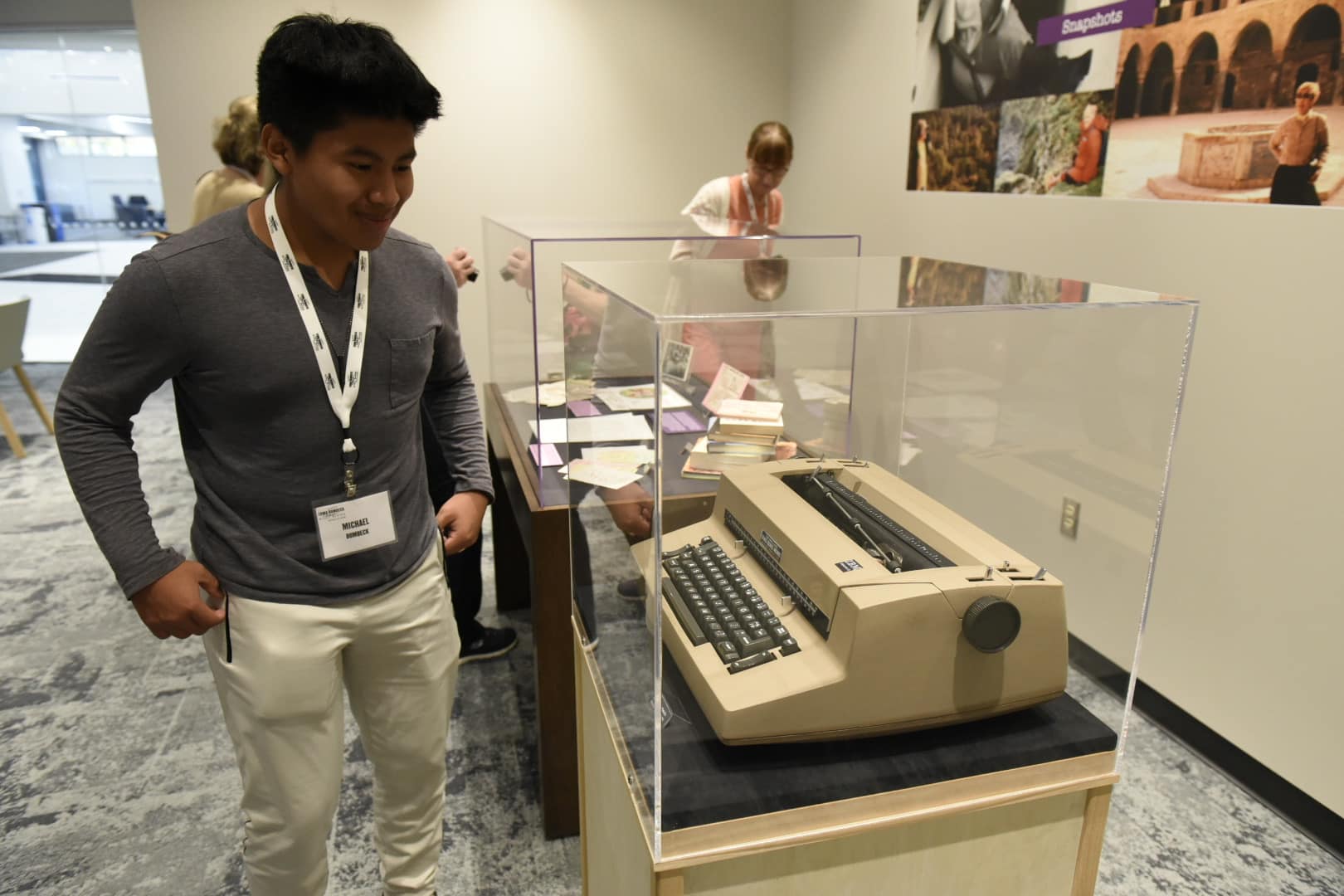
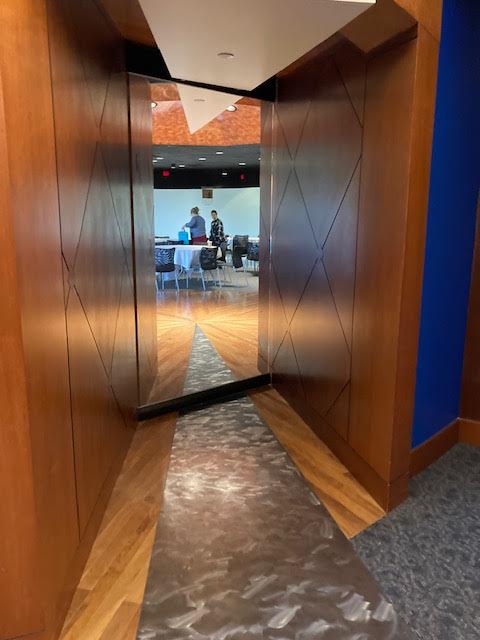
not your usual conference
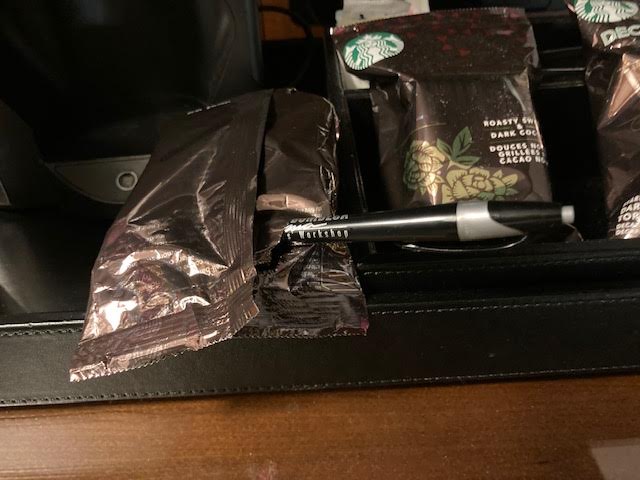
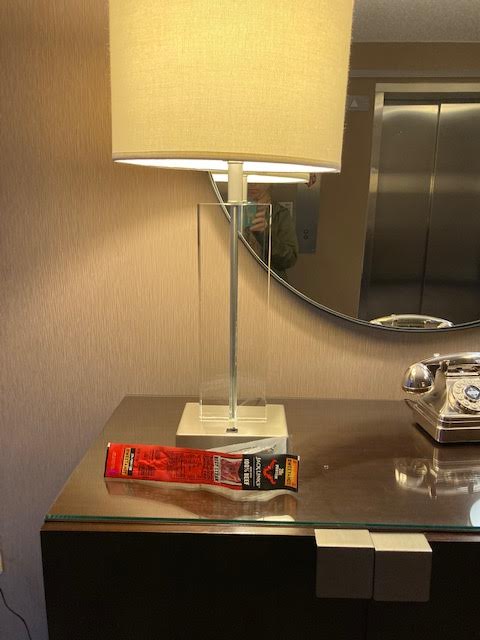
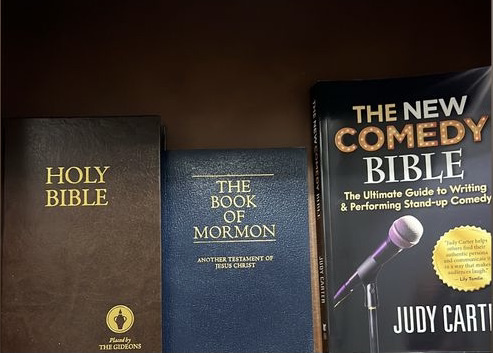
not your usual hotel drawer reading material
—
“you can’t deny laughter; when it comes, it plops down in your favorite chair and stays as long as it wants.”
Refugee Who Paints With a Toothbrush Nominated for Prestigious Art Prize: “My Message Is Love”
For artist Mostafa “Moz” Azimitabar, no paintbrush is as special as the humble toothbrush
Facing persecution in his birth country of Iran, the Kurdish artist and musician fled to Australia in 2013. Once there, he was entered into the immigration system and would spend the next eight years in detention centers. At his first stop, an offshore camp on Manus Island, Papua New Guinea, Azimitabar turned to art to cope with his emotions.
“I asked one of the officers on Manus: ‘Can I have some paint?’… I would like to do some artwork because I don’t want to give up’,” he recalled. The guard refused his request, citing safety concerns. Azimitabar returned to his shared room, frustrated, but refusing to let it go. The reality of his situation forced him to get even more creative. He decided to work with what he had — in this case, coffee and a toothbrush.
“I don’t know what happened … that moment was so special for me. I grabbed the toothbrush and I put it in the coffee and I just dragged it (on some paper),” he said, calling it a “moment of victory.” He continued to experiment with the technique throughout his detainment. “Art and painting helped me to be strong, to continue. Because when I paint, I don’t feel any trauma.”
Then, another moment of victory came over a year after his release in 2021: He was named a finalist for the Archibald Prize, one of Australia’s most prestigious art awards, worth over $70,000. His painting, one of 52 chosen from over 800 submissions, was created using a toothbrush, coffee, and acrylics on canvas. It’s titled “KNS088,” the number the Australian government issued him during his years in detention.
Azimitabar wrote, “I made this self-portrait to share my story. My face looks outwards, showing the suffering I have experienced, but also my strength and determination.”
—
“The message of my painting is love. We are all one family, connected by our humanity.”