Category Archives: poet

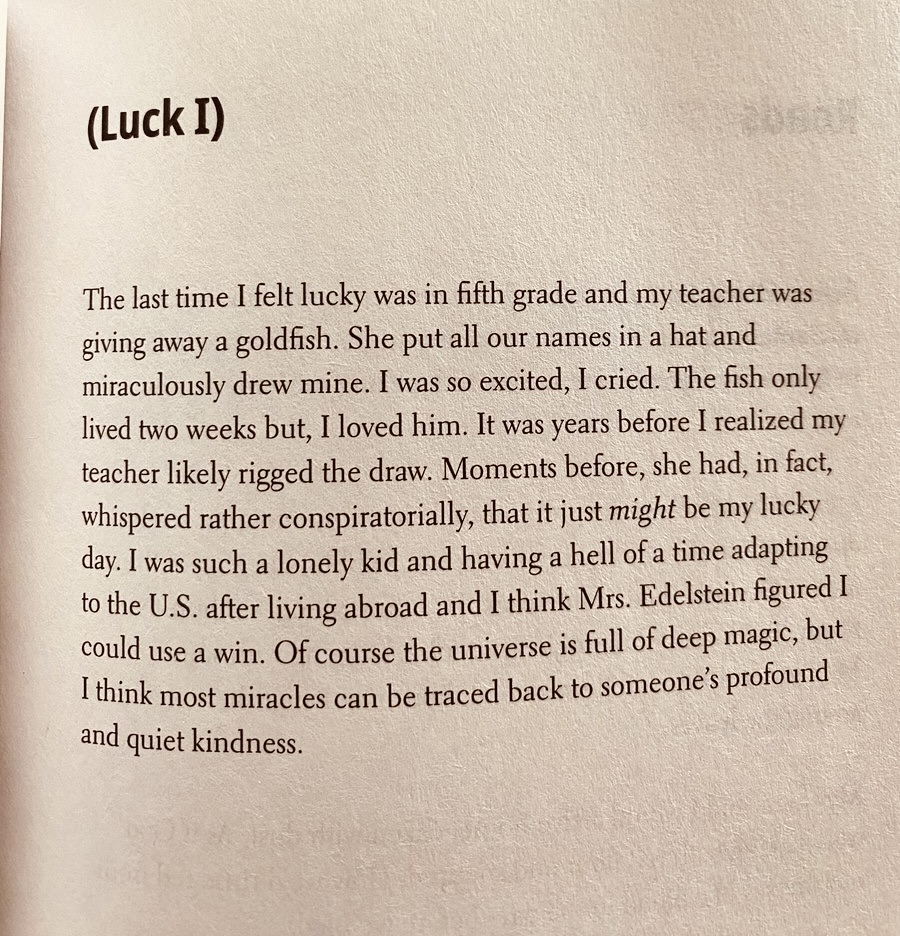
(Luck I.)

Standard


this very moving page popped up on my screen recently

proof once again

that one person’s simple act

can have a huge impact on another

often without  them ever knowing.

profound and quiet kindness

yes.


source credit: Luck (I), by Joy Sullivan

Joy lives in Portland, Oregon and is a poet and educator. She has a masters degree in poetry and served as the poet-in-residence for the Wexner Center for the Arts. She also leads live transformative writing workshops for individuals who have experienced trauma and has guest-lectured in classrooms from Stanford to Florida State University.

Joy’s work is a part of The San Marcos Writing Project and is one of over 200 writing project sites in the country devoted to developing teacher leaders that improve the writing and learning of all students.

csusm.edu/education/outreach/smwp.html

dipped in words and art.

Standard

a beautiful, beautiful book

 what is a poem, really, and what exactly is its use?

Every once in a while, you stumble upon something so lovely, so unpretentiously beautiful and quietly profound, that you feel like the lungs of your soul have been pumped with a mighty gasp of Alpine air. This is a Poem That Heals Fish  is one such vitalizing gasp of loveliness — a lyrical picture-book that offers a playful and penetrating answer to the question of what a poem is and what it does. And as it does that, it shines a sidewise gleam on the larger question of what we most hunger for in life and how we give shape to those deepest longings.

Written by the French poet, novelist, and dramatist Jean-Pierre Simeón, translated into English by Enchabnted Lion Books founder Claudia Zoe Bedrick (the feat of translation which the Nobel-winning Polish poet Wislawa Syymborska had in mind when she spoke of “that rare miracle when a translation stops being a translation and becomes … a second original”), and illustrated by the inimitable Olivier Tallec, this poetic and philosophical tale follows young Arthur as he tries to salve his beloved red fish Leon’s affliction of boredom.

i read the above review by maria popova, and simply had to find it

i read it three times and looked closely at the details

i so agree with her.

in honor of national poetry month

and every day of every month

read a poem. 

“great children’s books are wisdom dipped in words and art.”

-peter h. reynolds


credits: maria popova, marginalian, enchanted lion books

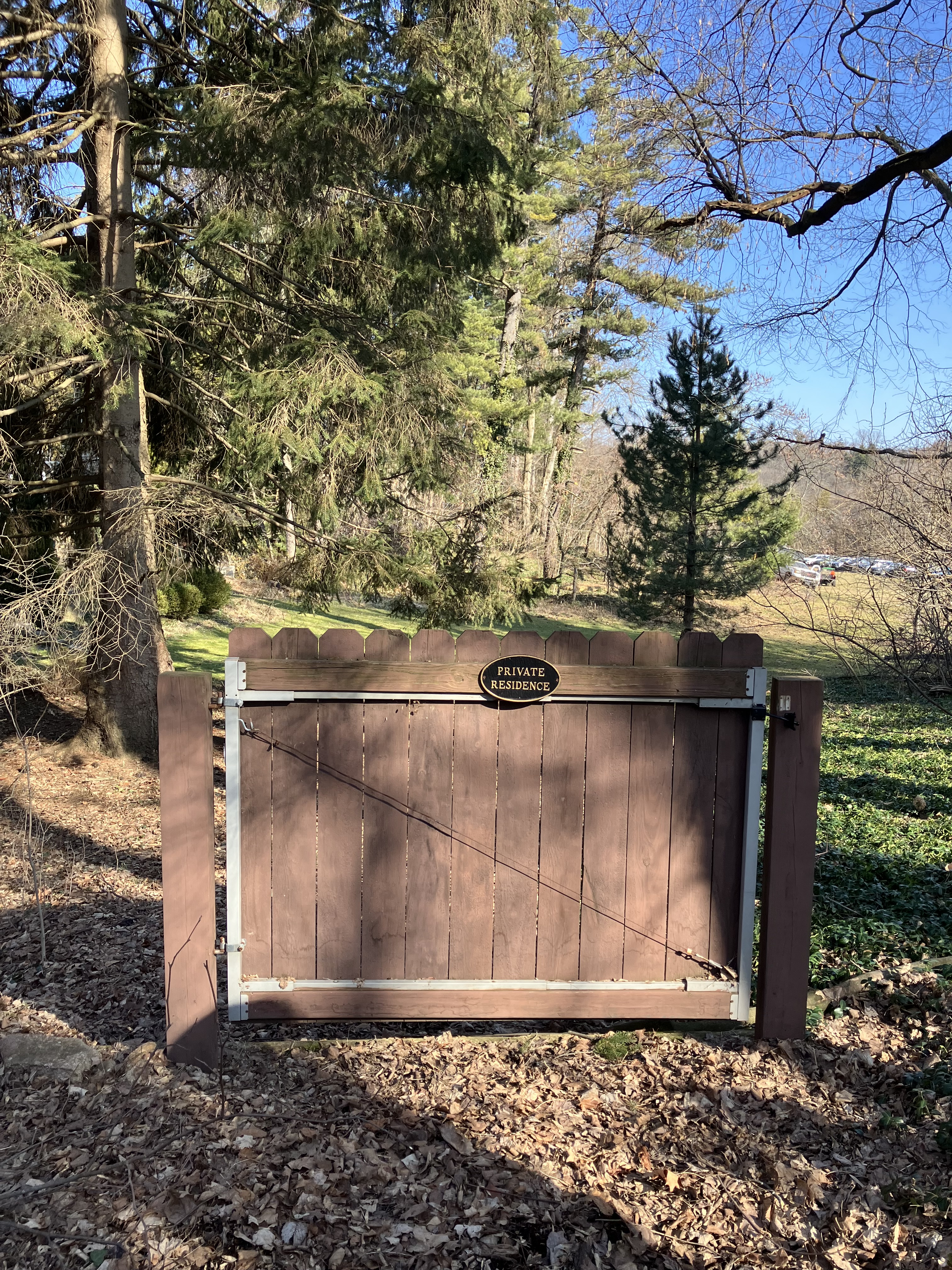
private.

Standard

is it really, though?

what would stop anyone from just walking around the sign,

unsure of where the private part begins and ends?

or to test the boundaries?


“there is no private life which has not been determined by a wider public life.”

*George Eliot, Felix Holt: The Radical 1866


*Mary Ann Evans, known by her pen name George Eliot, (who changed her name because she wanted her writing to be taken seriously), was an English novelist, poet, journalist, translator, and widely recognized as one of the leading writers of the Victorian era. She wrote seven novels: Adam Bede, The Mill on the Floss, Silas Marner, Romola, Felix Holt, the Radical, Middlemarch and Daniel Deronda.

words on a page.

Standard

ten  years ago

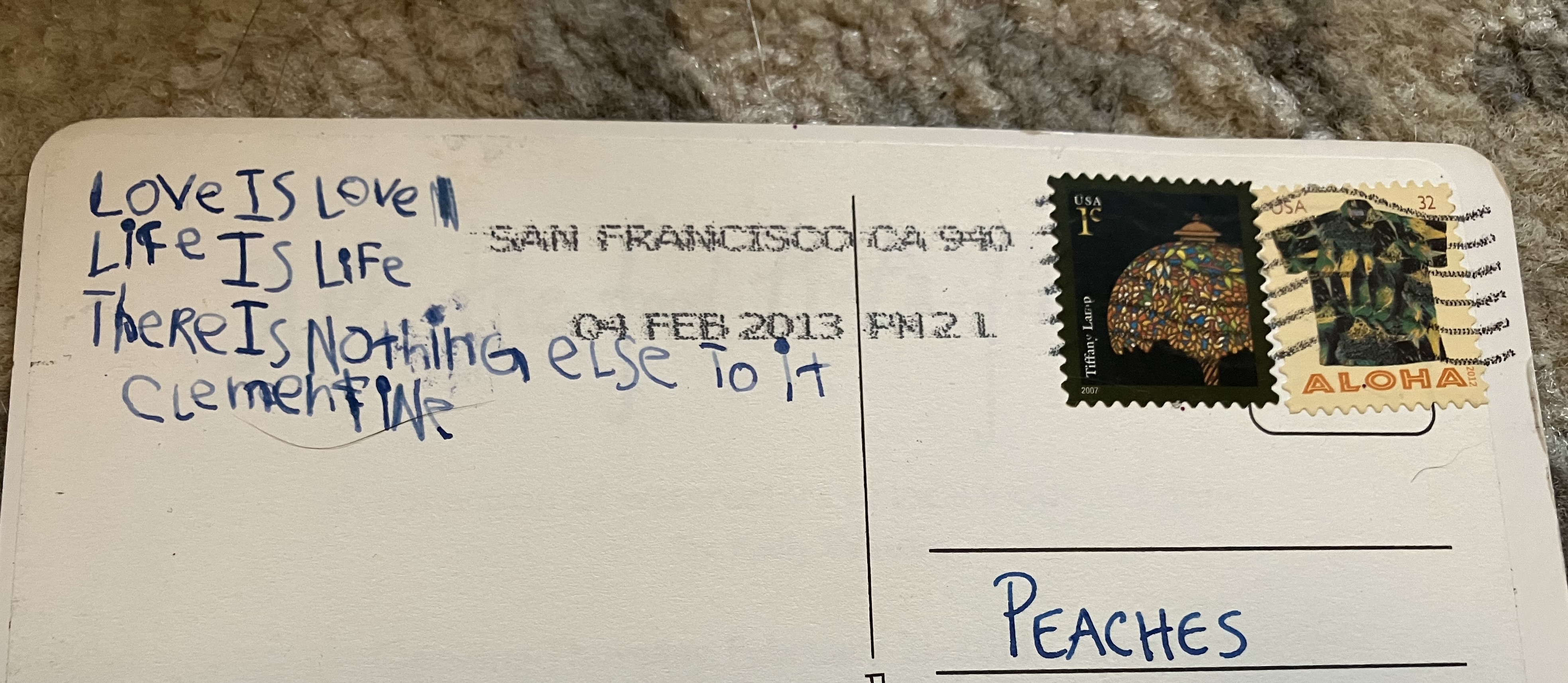
this surprise postcard

appeared in my mailbox 

from a former student

now far away

addressed to peaches

my affectionate nickname

sent to me

when she was seven not yet eight

her only message

a beautiful poem 

summed up

 life

in three lines

love is love

life is life

there is nothing else to it.

i knew way back when

she was just four not yet five

learning

how to hold a pencil to write

she was a beat poet and roller derby queen of adventure.

“one should write because one loves the shape of stories and sentences

and the creation of different words on a page.”

-annie proulx


wondrous.

Standard

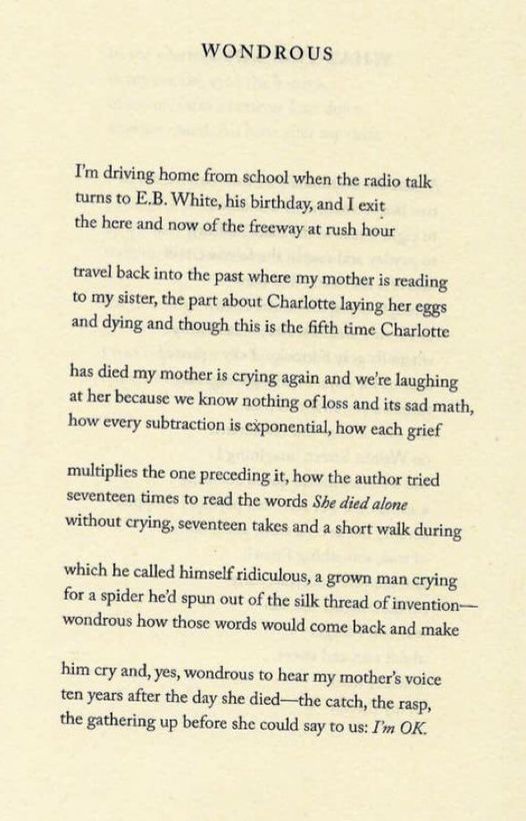
thank you sarah freligh, for your beautiful poem

in this national poetry month and every month. 

3am.

Standard

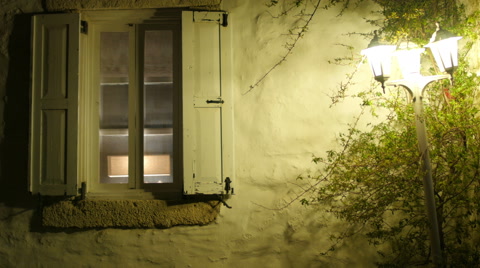
3 am is the hour of writers,

painters, poets, musicians, silence seekers,

over-thinkers, and creative people.

We know who you are,

We can see your light on.

Keep on keeping on.

-author unknown


image credit: pinterest – vintage


lovely.

Image

to the poets.

Standard

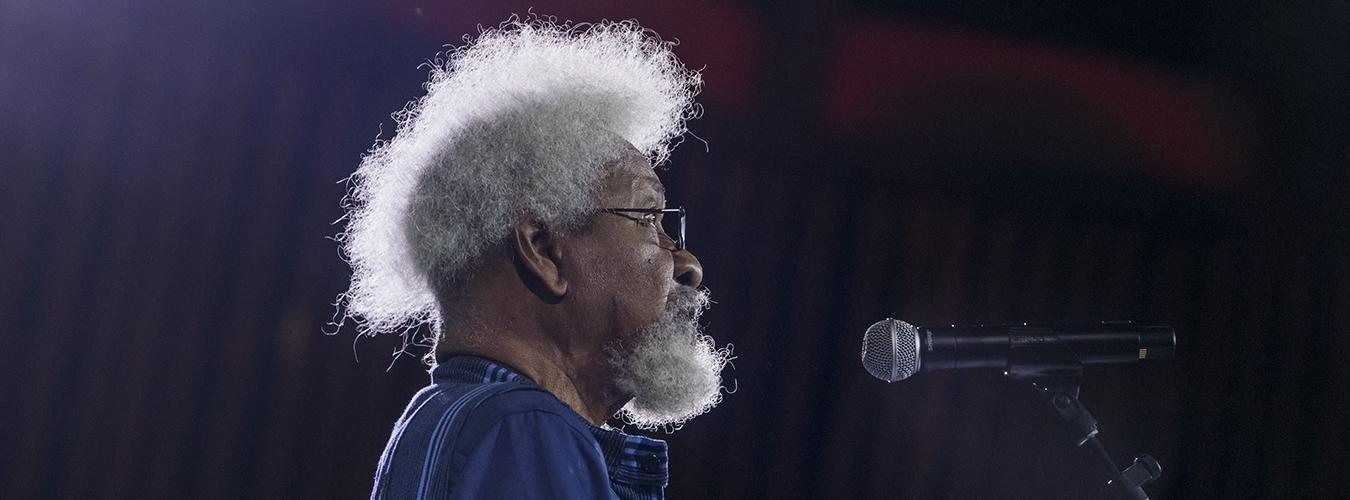
Wole Soyinka, playwright, poet and Nobel Laureate, reads an original poem written for children at the high-level meeting of the General Assembly on the occasion of the thirtieth anniversary of the adoption of the Convention on the Rights of the Child.

Celebrating the linguistic expression

of our common humanity

Poetry reaffirms our common humanity by revealing to us that individuals, everywhere in the world, share the same questions and feelings. Poetry is the mainstay of oral tradition and, over centuries, can communicate the innermost values of diverse cultures.

In celebrating World Poetry Day, March 21, UNESCO recognizes the unique ability of poetry to capture the creative spirit of the human mind.

A decision to proclaim March 21 as World Poetry Day was adopted during UNESCO’s 30th session held in Paris in 1999.

One of the main objectives of the Day is to support linguistic diversity through poetic expression and to offer endangered languages the opportunity to be heard within their communities.

The observance of World Poetry Day is also meant to encourage a return to the oral tradition of poetry recitals, to promote the teaching of poetry, to restore a dialogue between poetry and the other arts such as theatre, dance, music and painting, to support small publishers and create an attractive image of poetry in the media, so that the art of poetry will no longer be considered an outdated form of art, but one which enables society as a whole to regain and assert its identity. As poetry continues to bring people together across continents, all are invited to join in.

“poetry is when an emotion has found its thought and the thought has found words.”

-robert frost


credits: photo: UN Photo/Mark Garten, UNESCO

in praise of ironing.

Standard


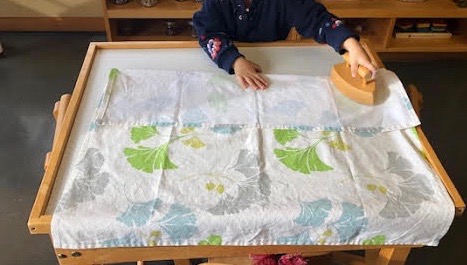
Poetry is pure white.
It emerges from water covered with drops,
is wrinkled, all in a heap.
It has to be spread out, the skin of this planet,
has to be ironed out, the sea’s whiteness;
and the hands keep moving, moving,
the holy surfaces are smoothed out,
and that is how things are accomplished.
Every day, hands are creating the world,
fire is married to steel,
and canvas, linen, and cotton come back
from the skirmishings of the laundries,
and out of light a dove is born –
pure innocence returns out of the swirl.


in praise of ironing by Pablo Neruda, translated by Alastair Reid

april one.

Standard

“the exact day I became a poet was april 1, 1965,

the day I bought my first typewriter.”

-august wilson 


in honor of poetry month.

mine was the day I learned to hold a pencil

and found a scrap of paper to scribble on.


image credit: daskeyboard