
“two men look out the same prison bars; one sees mud and the other stars.”
-beck
—
in honor of international mud day
—
image credit:Winter Window, pastel, 8″ x 8″, 2002 © B.E. Kazmarski
“two men look out the same prison bars; one sees mud and the other stars.”
-beck
—
in honor of international mud day
—
image credit:Winter Window, pastel, 8″ x 8″, 2002 © B.E. Kazmarski

driving down the highway
i came upon this truck filled with fun
and wondered where exactly it was headed.
—
“i was sure that somewhere a grandiose carnival
was going on in the sky,
and I was missing it.”
-eve babitz
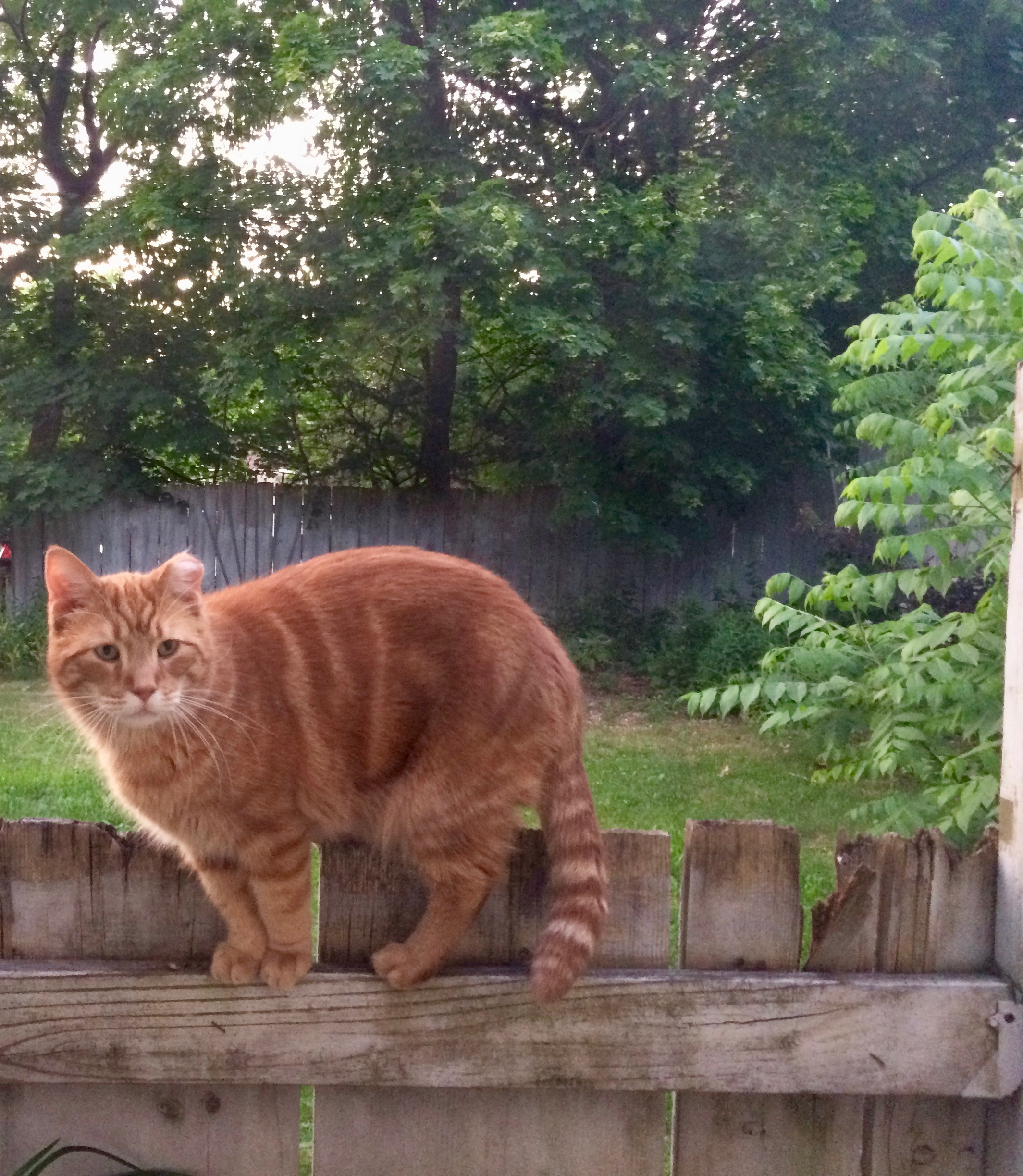
glenn frey the cat not the rocker
agrees with
patti smith the rocker not the cat.
—
“in art and dream may you proceed with abandon.
in life may you proceed with balance and stealth.”
-patti smith

time well-spent on the longest day.
—
“and so with the sunshine and the great bursts of leaves growing on the trees, just as things grow in fast movies, i had that familiar conviction that life was beginning over again with the summer.”
– f. scott fitzgerald – the great gatsby.

“nonviolence is a weapon of the strong.”
-mahatma gandhi
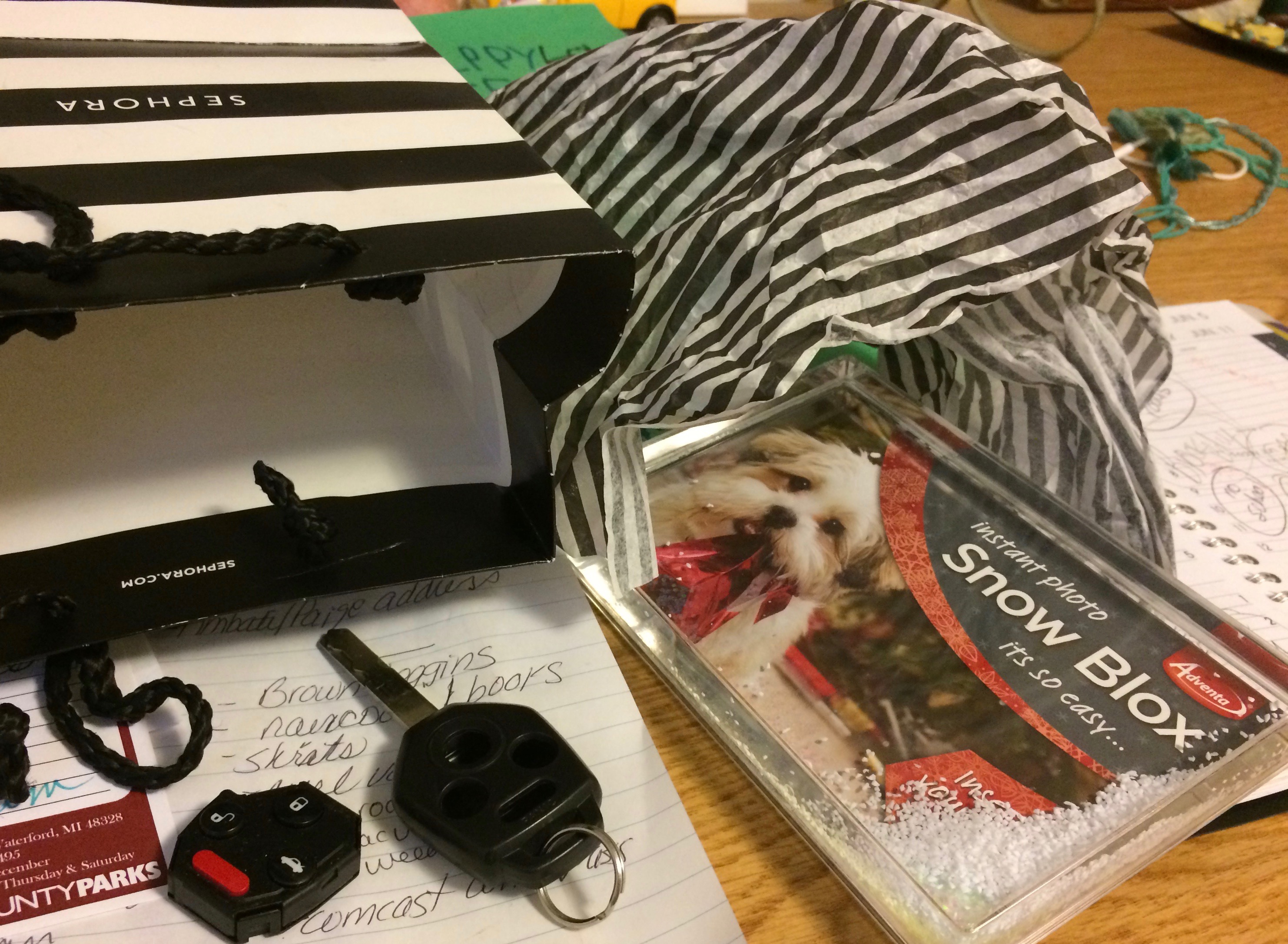
when the guts of my electronic car key
mysteriously disappeared a month ago
after having coffee with my friend
i searched everywhere
and tried to consider every possible scenario
wondering how the insides came out
and where they went
between the time i had coffee
and the time i returned to my car.
flash ahead to now –
i finally surrendered
went to the dealer
showed them the empty fob
to get their opinion
said they had never seen anything like it before
gave me the number to contact their corporate headquarters
to get them to cover a replacement
when i got home
i was cleaning out my office/art studio/room of fun
putting away a gift
that my same coffee friend had returned with from ireland
it was put in a bag from a local store
wrapped in tissue paper
as i went to throw out the bag
i pulled out the tissue
tipped over the bag
(that held the gift i had opened before but not yet put away)
and
out fell
a small black and red item
i took a closer look
there was the missing inside piece from my key.
it had been returned to me through some twist of fate
literally fell right into my hands
in much the same sudden and unexpected manner
that it had disappeared
one month and one country later.
—
“i find that, usually, answers present themselves. they are not hidden under rocks or camouflaged among trees. answers are right there, in front of our eyes. but if you haven’t cause to look, then of course you will probably never find them.”
-cecelia ahern
-george bernard shaw

end of the school year and moving classrooms.
“time is a circus, always packing up and moving away. “
-ben hecht
—
credit: googleimages – vintage

i’ve always been fascinated by the idea of back stories.
the story behind the story
i love the idea of understanding
what led to something, motivations, experiences, emotions, circumstances, the why’s
so i set out to find the back story/backstory about the origin of this term
the new york times summed it up very well in the following piece.
—
‘Looking for the Candy, Finding a Back Story” was the headline above a review by A.O. Scott in The New York Times about the movie “Charlie and the Chocolate Factory.”
“Backstory” (one word) was the headline chosen by the New Yorker cultural critic Joan Acocella for her dance review of “revivals of long-absent works by Ashton and Balanchine.”
What’s the history, derivation, hidden motivation or inside skinny — I’m groping for the dramatic term — of this explosion of usage in the arts sections of our media? Whence this seemingly simultaneous lexical development?
It began quietly in the early 80’s, probably among writers creating series for television. The Oxford English Dictionary’s earliest citation is from an A.P. dispatch by Jerry Buck in 1982 about the screenwriters Stephen and Elinor Karpf: “They had been compiling characters and back stories for a prospective serial for several years.”
The O.E.D. recently noted that the term’s early specific meaning was a history “created for a fictional character or situation, especially in a film or television series.”When dealing with a fictional character, the writer and director can help an actor play the part by telling him about the character’s life before the screenplay begins: from where he came, his education or lack of it, previous loves, arrest and medical records; this provides motivation and flavor.
A second meaning of back story grew out of that: Why not provide the reader or viewer with the same kind of information about what drives the character’s decisions and that adds color and meaning to an event? That led to the popularity of the prequel, a 70’s term popularized by J.R.R. Tolkien, giving the characters an earlier life and showing the roots of the subsequent story’s events.
Then nonfiction writers adopted the word and applied it to the lives of real people of the past. David Barnhart, editor of the Barnhart Dictionary Companion, spotted what he calls “a figurative extension of the meaning” and supplies a 1986 citation in this book title: “Backstory: Interviews with Screenwriters of Hollywood’s Golden Age,” edited by Pat McGilligan. (Unfortunately for etymologists, no interviewer asked the early screenwriters if they ever used the word backstory.)
That secondary sense — “what happened back then” — is being carried forward. The Baltimore Sun reporter Fred Rasmussen, who has a weekly column titled Back Story, says: “What we’re doing is going back to an original story from the 20’s and 30’s, sometimes only 10 years ago, and updating it for readers. We may know now what or who caused it, and what the motivations were. It’s not a nostalgia column; it’s a revisiting of a news event. We chose the name because we wanted something clipped, and that reflected what the column was about.”
Other lexies have their eyes on the two words (that are sometimes written as one). Joe Pickett, executive editor of the American Heritage Dictionary, supplies us with “Tapir’s Morning Bath,” a 2002 nature book by Elizabeth Royte: “Whalers took out whales, plankton proliferated, pollack boomed, perch and herring went bust, seals and sea lions followed, and so orcas switched their diet to otter.” Then comes a nice boosting: “As the disappearing otter has a back story, so too does it have a front story, a cascade of effects rippling into the future.”
Bringing the varied usages close to home, The Times Magazine has a section on its contents page called “Back Story.” Here’s the meaning, in the opinion of Gerald Marzorati, the magazine’s editor: “My understanding is that the phrase is mostly (though not exclusively) used in Hollywood to describe the potted history and biography of, respectively, the narrative and the characters that will have to be worked into the film — carefully, as not to bog down the unfolding of the edge-of-the-seat stuff that moviegoers have paid their 10-plus bucks for.
“We at the magazine use it on our contents page mostly because of the catchiness of the phrase. What we mean to do in that paragraph is give you a little ‘back story’ on the author — why he or she was the one to have reported and written the piece — and a little ‘back story’ on how the reporting came about or went.” (He can give the section a catchy title, but the guys in the office, and at many other magazines, call it the edlet, for “editor’s letter.”)
That’s the background, to use an archaic term, of back story.
—
credits: new york times, william safire

 I didn't have my glasses on....