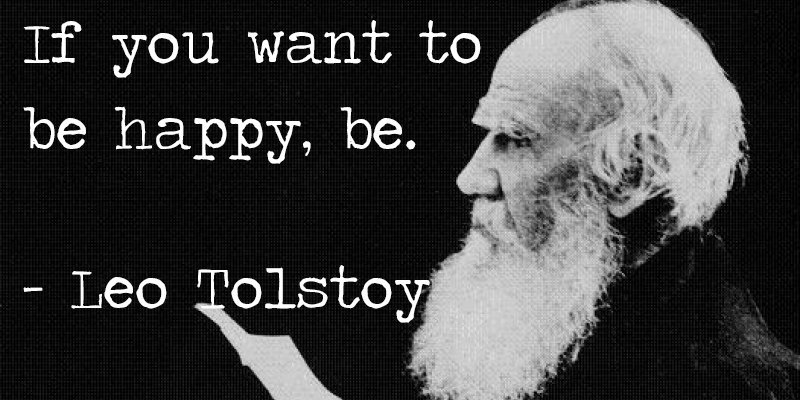
—
image credit: wordables
—
image credit: wordables
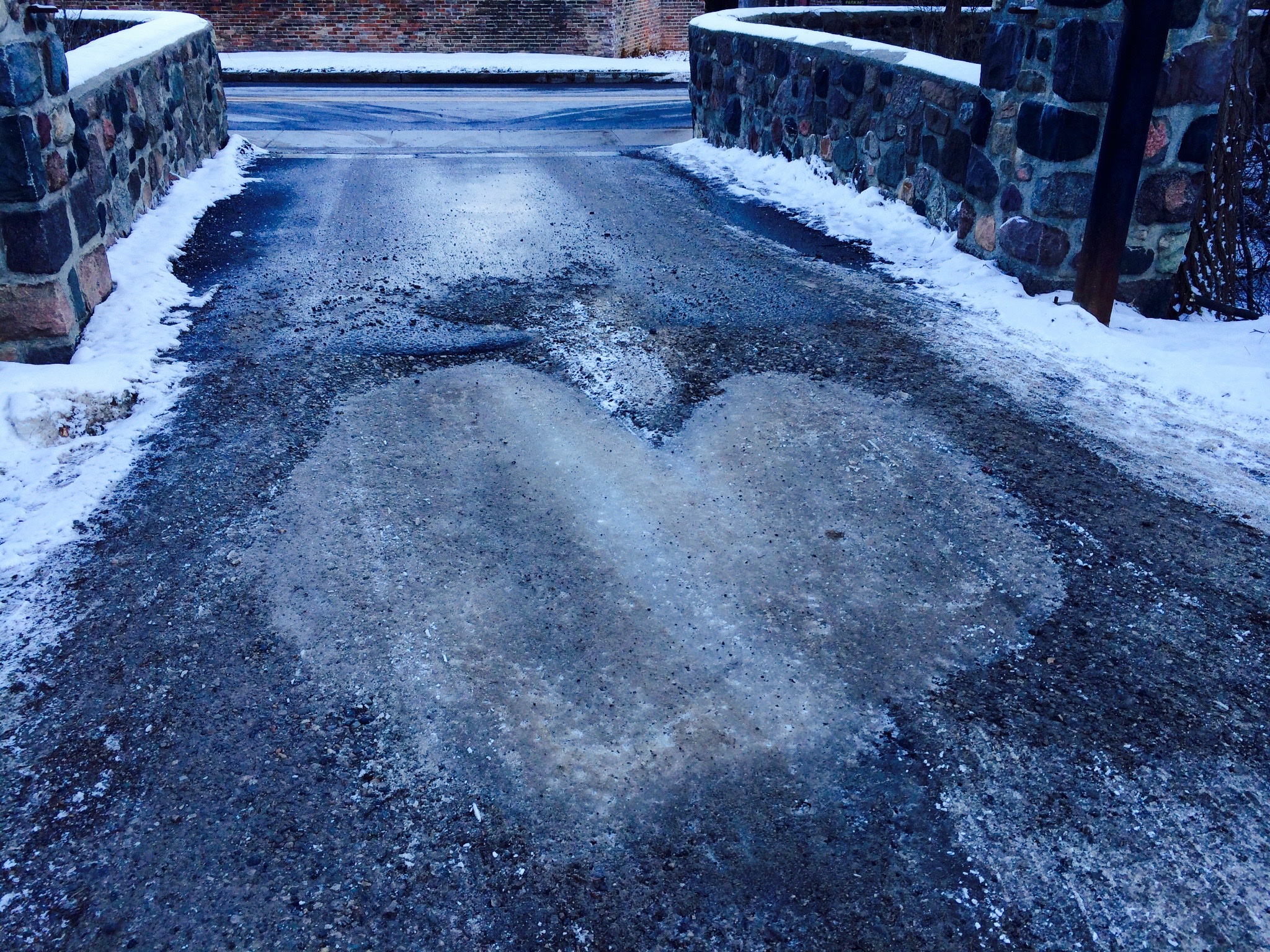
“joy weathers any storm: happiness rides the waves.”
― todd stocker

character is like a tree and reputation like a shadow.
the shadow is what we think of it; the tree is the real thing.
– abraham lincoln

a good friend and i
have decided to start
a local advice column
called, ‘trial & error.’
i’m trial, she’s error.
when people ask us what to do
our advice will mostly come
from a place of ‘what not to do,’
based upon personal experience.
perhaps someone will heed our advice,
though most likely they won’t.
that’s
how life is
and
how we learn.

—
image credits: trialanderrorrecordings, google images
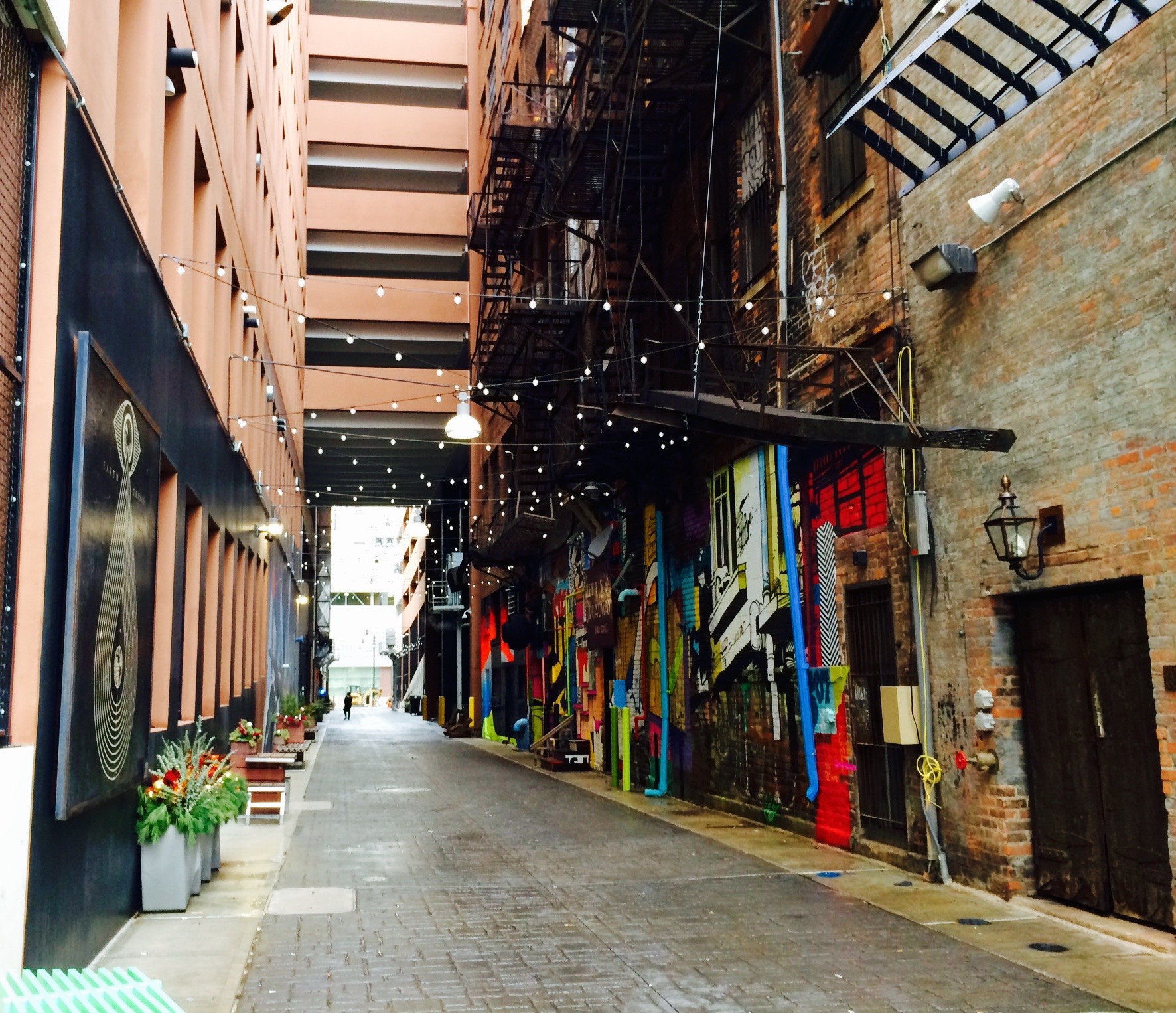
on a downtown detroit day
discovering
beautiful little gems
in so many
unexpected places
buoying our hopes
for a city
that has not given up
and is beginning
to thrive once again
in spite of
challenges
that once seemed
insurmountable.
—
“there is no power for change greater
than a community discovering what it cares about.”
– margaret j. wheatley

carpool mates
ride with smiles
chat about the day
throw down our heavy things
relax at last
stop to buy a ticket
and
share
what we’ll do
when/if
we win
the 800 million
and
the first thing
that each of us names
is a donation
to someone else
who needs some of it
more than we do
and
it’s part of
the reason why
we
all ride together
with smiles.

—
image credit: partyideasinabox
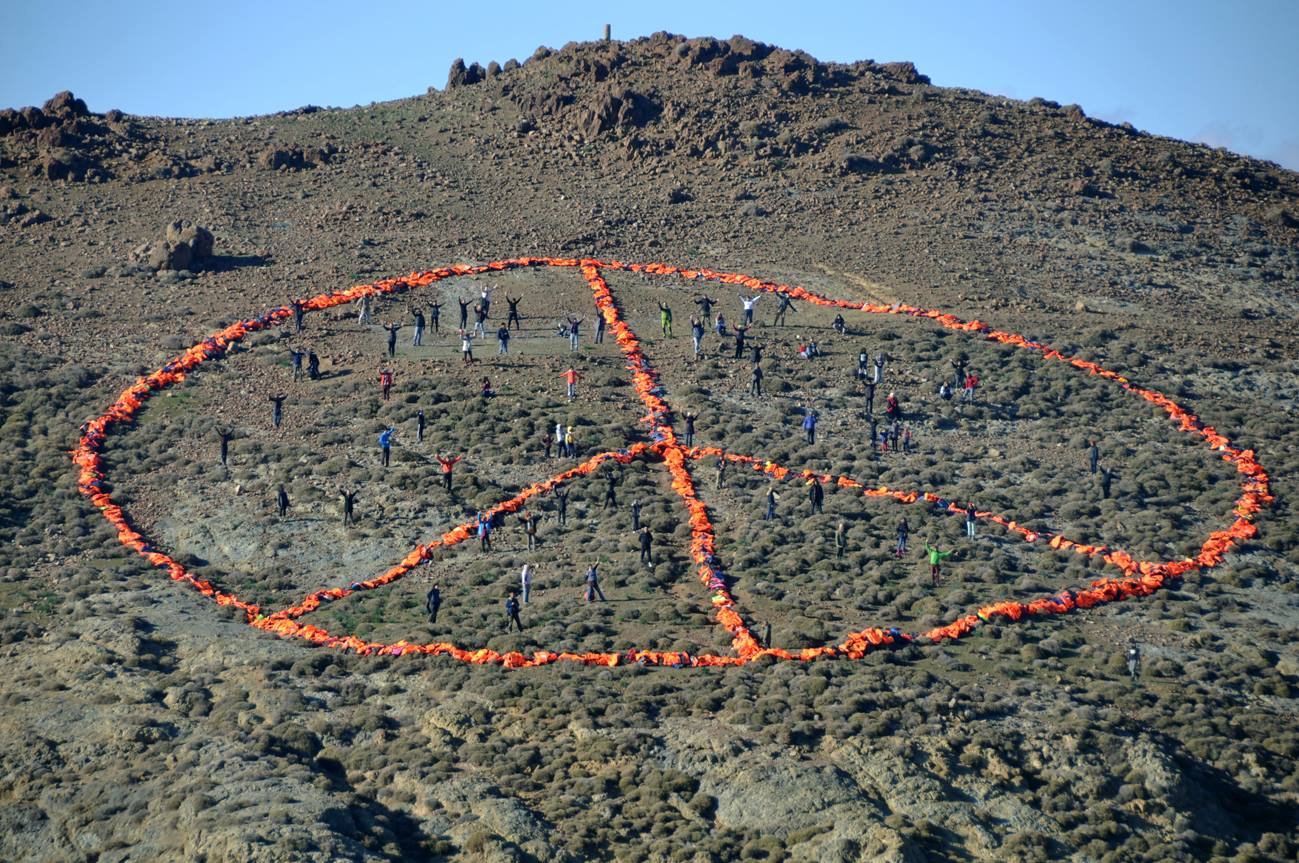
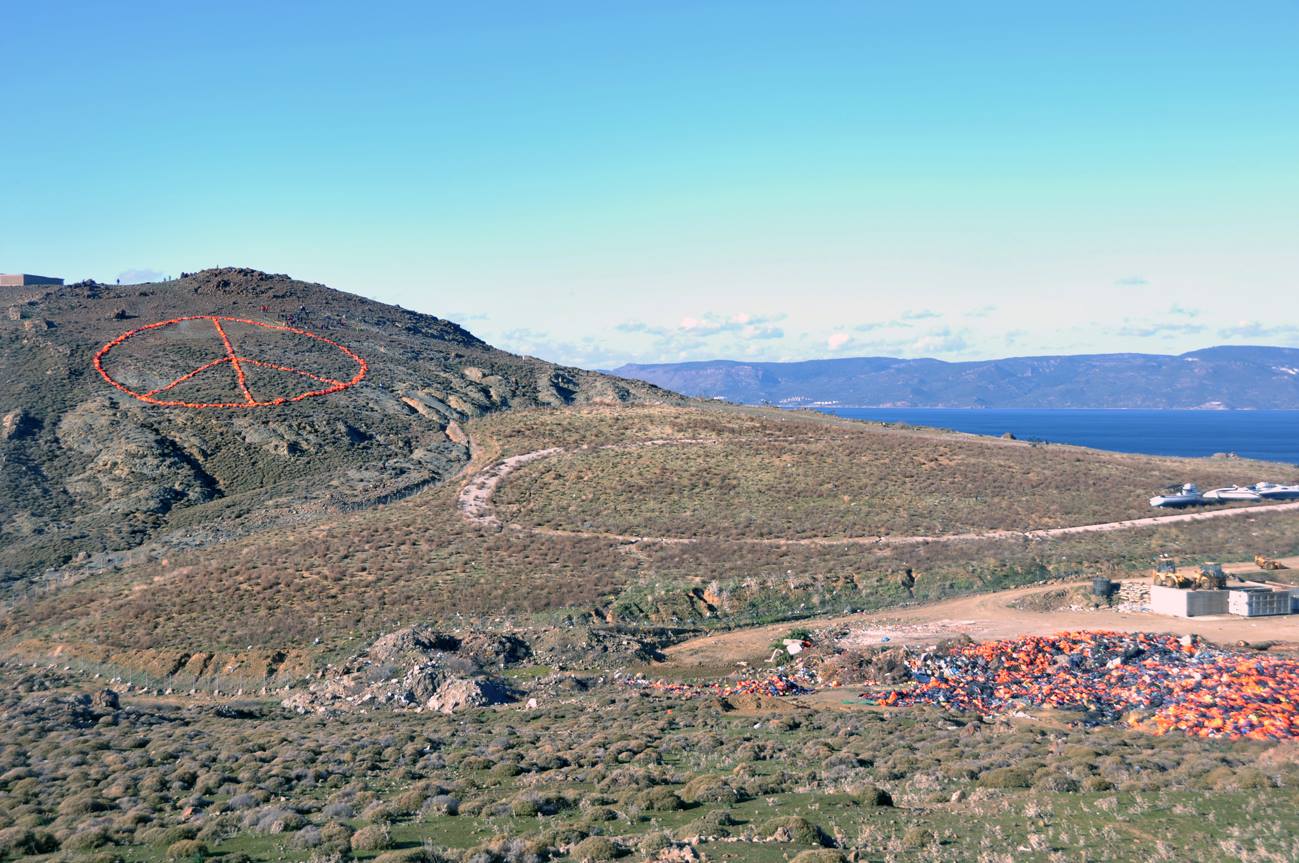
lesvos, greece.
volunteers have
a message for the world
made from refugee life jackets.
—
credit: open homes open hearts u.s.
—
image credit: wordables
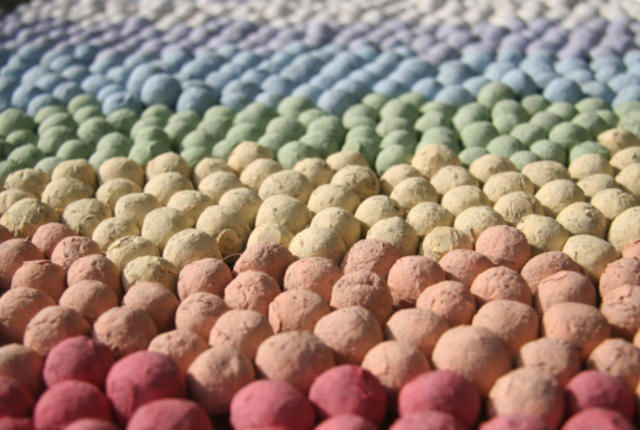
the bees could really use some help. in the last 10 years, a phenomenon called colony collapse disorder (ccd) has killed off huge numbers of honeybees around the world. it’s normal for beekeepers to lose 10–15 percent of their hives each winter, but beginning in 2006, beekeepers started reporting losses of 30–90 percent. scientists believe ccd may be caused by a combination of pesticides, parasites, and a decline in wildflowers as more and more land is developed.
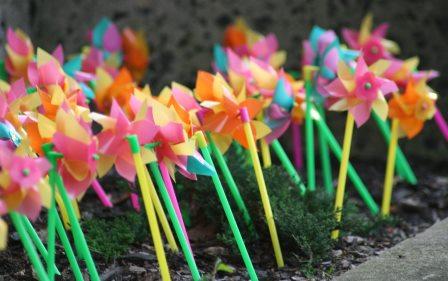
this is where seedles come in. each “bomb” contains wildflower seeds packed in compost and brightly colored clay. “planting” them is easy: you just throw them on the ground and wait for the rain, sun, and soil to do their work. the candy-colored seed bombs “practically grow themselves,” says the company’s website.
there are six varieties, one for each region of the country, so bee lovers can be sure to plant native flowers that will thrive in their area.
seedles are the brainchild of ei ei khin and chris burley, a couple who initially hoped they could get people to plant a million flowers. they surpassed that number in 2014. in an email to mental_floss, burley (now the company’s “pollinator-in-chief”) said they’ve since set their sights higher: a billion flowers for the bees.
they are especially concerned about the interdependence between honeybees and our food supply. of 100 major american crops, 70 are pollinated by bees; without them, we might not have apples, almonds, carrots, or avocados. to encourage interest and awareness in the plight of the bees, seedles partners with local food companies to give out free seed bombs. because they’re pretty, simple, nontoxic, and foolproof, the seed bombs make great educational tools.

—
credits: seedles, mentalfloss, kathy horowitz

