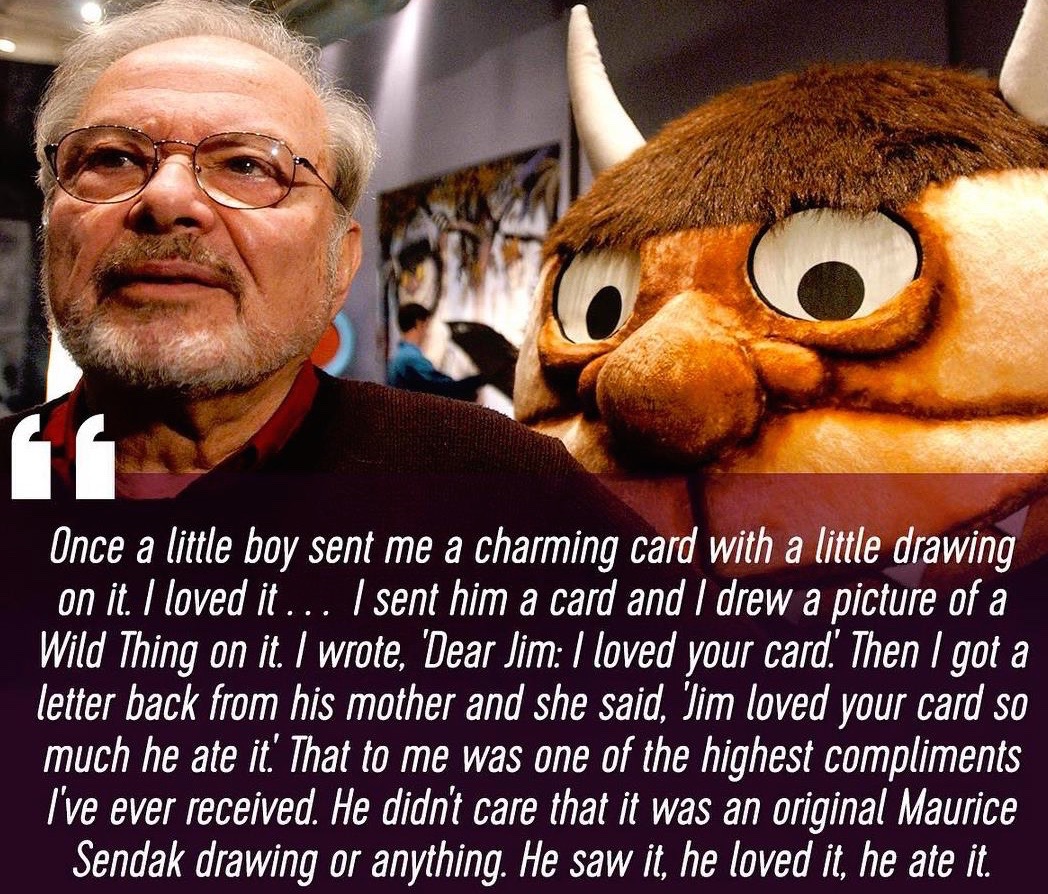
language connects us.
—
“oh, how scary and wonderful it is that letters and words
can change our lives simply by being next to each other.”
-kamand kojouri
water
Everything on the earth bristled,
the bramble pricked
and the green thread nibbled away,
the petal fell,
falling until the only flower was the falling itself.
Water is another matter,
has no direction but its own bright grace,
runs through all imaginable colors,
takes limpid lessons from stone,
and in those functionings plays out
the unrealized ambitions of the foam.
Pablo Neruda
—
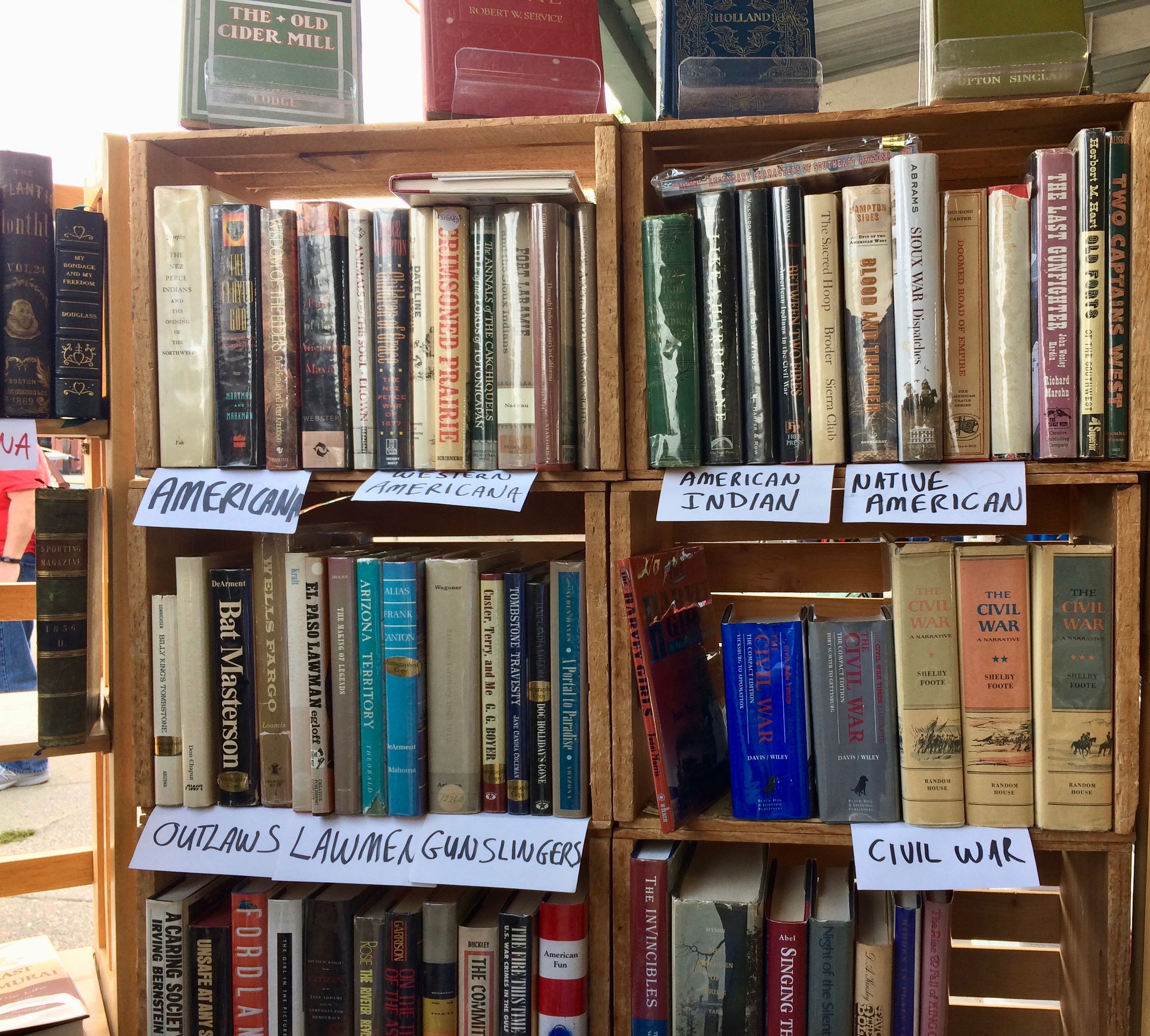
killarney, ireland
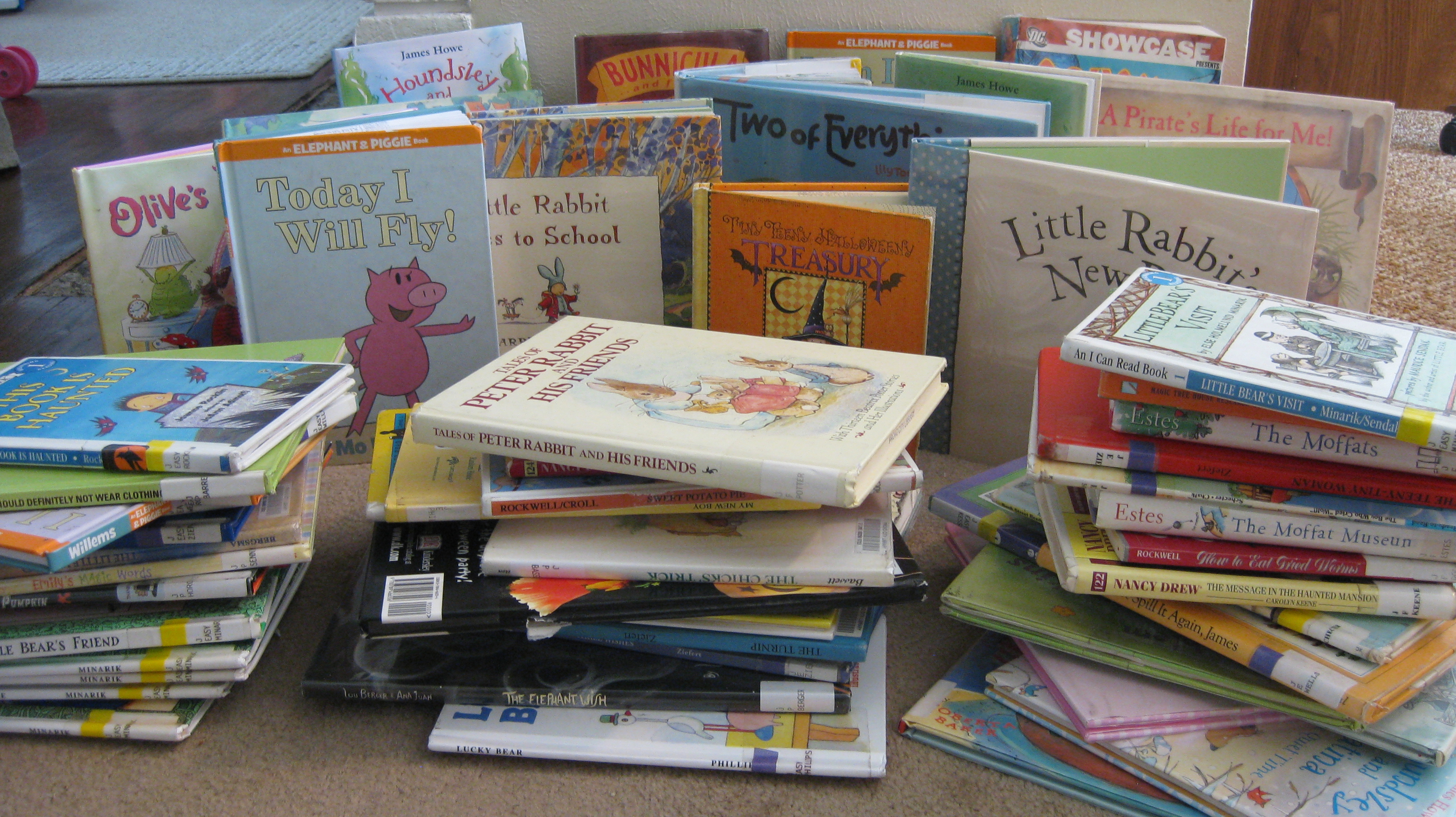
spent a late afternoon
browsing through this collection of
used books of all sorts
went home with unexpected treasures
and things to look forward to
kind of like woodstock
but without
the mud, tie dye, or music
just lots of good words.
—
The Bookstock Fund was created from the revenue of each year’s Bookstock sale and donations. Focused on enhancing literacy throughout Detroit and the metropolitan area, each year the Fund looks for community partners doing inspiring and life-changing work on the individual, family, and organizational level.
—
“it is what you read when you don’t have to that determines what you will be when you can’t help it.”
― oscar wilde
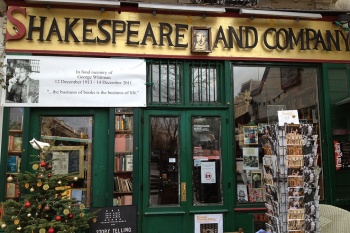
The Historic Parisian Bookshop Where Aspiring Writers Can Spend the Night for Free
Shakespeare and Company opened its doors back in 1951, and ever since then, it’s hosted aspiring writers for free. And it’s not always just for a night, sometimes, guests stay for months, and they don’t have to pay a penny. The Parisian literary hub may be the only bookshop in the world of its kind.
More than 30,000 guests have stayed at the bookshop since American expat George Whitman opened it over six decades ago, and many of them have even gone on to become international best sellers.
Molly Dektar, who lived at Shakespeare and Company in January and June 2013, wrote about the experience: “I aimed to read a book a day but it wasn’t entirely possible. Still, the goal is spiritually important and should be taken seriously. One minute I was a visitor just like any other,” she added, “and the next minute I was welcomed in to this huge, historic community of writers and expatriates.”

Now, 65 years after the bookshop opened, the owner, Whitman’s daughter Sylvia, has released a memoir documenting its long history. Whitman was inspired by American expat Sylvia Beach, who owned a bookshop by the same name at another location, which existed between 1919 and 1941.
Beach’s bookshop had been a popular and frequent gathering place for legendary writers like Ernest Hemingway, F Scott Fitzgerald and T S Eliot. She had also been the first to publish James Joyce’s Ulysses in 1922.
Whitman had called his version of the bookshop a “spiritual successor” and it quick became the center of expat life in Paris for the book writing crowd. As he’d been the recipient of the generosity of strangers while traveling the world, he decided that he wanted to do the same for other travelers. Since the start, his store has hosted overnight guests he refers to as “Tumbleweeds.” Instead of paying for their stay, the “Tumbleweeds” are just required to help out in the shop for a few hours, write a one-page autobiography for the archives and “read a book a day.” Quite the deal!
While Whitman passed away five years ago, his daughter Sylvia is continuing to carry on the tradition and runs the bookshop with her partner, David Delannet.
Today, as many as six Tumbleweeds can sleep in the bookshop each night, but it now also hosts an adjoining cafe, a literary festival and a publishing arm of Shakespeare and Company, which just released a book on the history of the company.
Of the book, Delannet said, “This history offers readers a unique perspective on Paris, as well as an insight into the life of the literary traveler in the second half of the 20th century and a feel for a bookshop whose motto is ‘Be not inhospitable to strangers lest they be angels in disguise.'”
—
credits: earthables, molly dektar, buzzfeed
grandie b
read her book to us
out loud
proud and confident
while
younger grandie j
watched and listened
and
when she was done
he said
he was happy she could read the words
but he seemed
a
little bit
envious
and
sad
because he wasn’t sure how to read yet
until
suddenly
he had an idea
and
i saw
the lightbulb go on
just before
he announced
that he would
‘read his book to us in spanish’.
and
he proceeded to
show us the cover
as he
read us the title
and then
patiently
read
each and every page
in his version of spanish
taking his time
nodding and facing the book towards us
turning the pages
at appropriate times
pointing out the pictures
all while
happily smiling
confidently
chattering away
in a his brand new version of spanish
that was so very, very advanced
that we
the listeners
didn’t even
know the translations
but we understood
that he was proud
and
he was reading
and
when he was finished
he snapped his book shut
and said
in english
“that’s all.”
brilliant.
muy bien, and gagglesmithjong kipisanlomita paskajonti to you!!
—
“if you want to talk about something new,
you have to make up a new kind of language.”
-haruki murakami
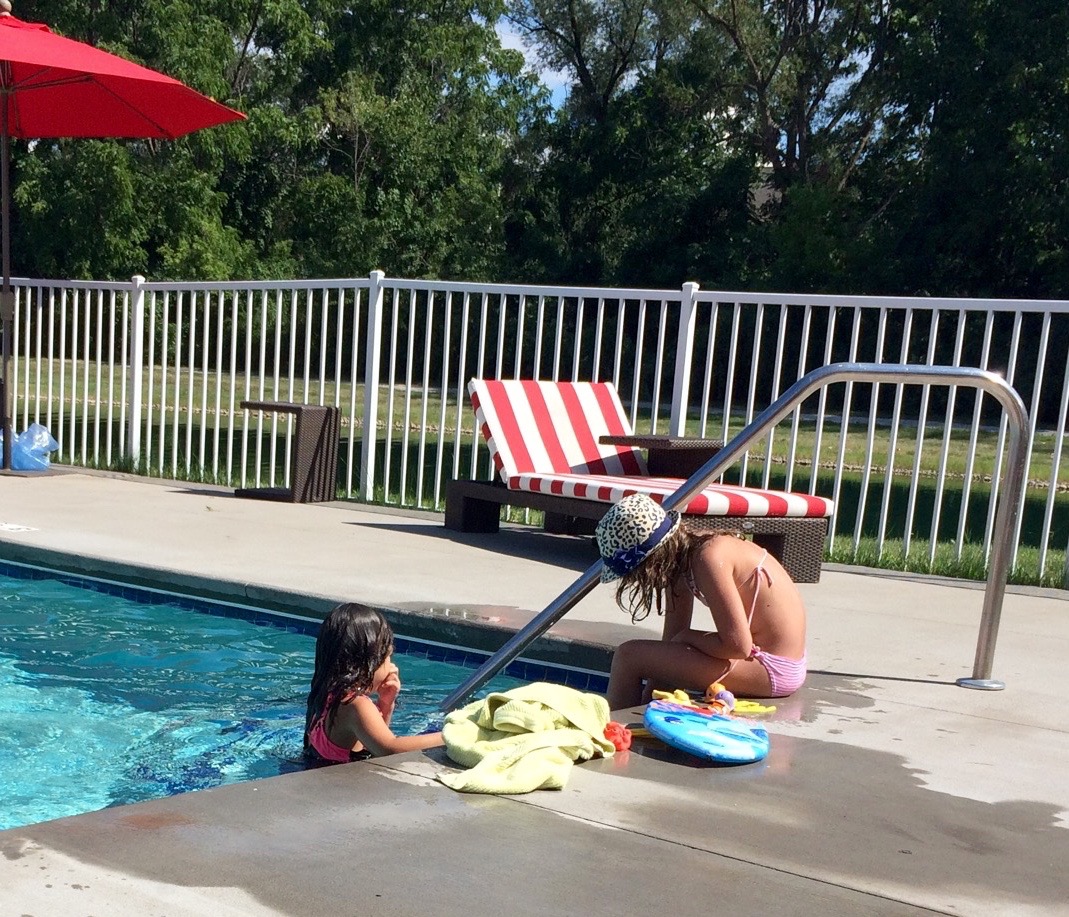
grandie v met a new girl at the pool
her daddy is a soccer coach at the university
who moved here from another country
though i have no idea where
the language that the family
spoke between them
was beautiful
yet
i couldn’t identify it
and
it was wonderful
to watch the girls play
and
communicate
without any difficulty
in two very different languages
neither one speaking the other’s language
but
they played and played
and soon
they were singing
to each other
and
laughing out loud
and
neither seemed to
even realize or care
that they began
with
two different languages
they were simply
two friends
speaking a new one together.
—
“the language of friendship is not words but meanings.”
henry david thoreau
Shakespeare’s birthplace and The Roald Dahl Museum
You might think there’s nothing to link Roald Dahl and William Shakespeare, but there are a few things they have in common…
They’ve both got big anniversaries this year:
2016 marks 100 years since Roald Dahl’s birth, and 400 years since Shakespeare’s death. That means 2016 is a pretty great year for celebrating the lives and works of these two world-famous writers.
They both made up some crackling words:
Shakespeare coined countless new words and phrases, many of which have found their way into common usage, including ‘wild goose chase’, ‘laughing stock’, and ‘heart of gold’. Roald Dahl invented quite a few words of his own, especially while writing The BFG – who can forget snozzcumber, gigglehouse and exunkly?
Both authors have their very own dictionaries, both published by Oxford University Press. The Oxford Illustrated Shakespeare Dictionary and The Gobblefunk Dictionary (coming in June).
Quick quiz:
Can you tell which of the following 5 words are Roald Dahl words, and which 5 are Shakespeare words?
Babblement, Smilets, Bubukles, Crumpscoddle, Pulsidge,
Vizaments, Squizzled, Twangling, Bootboggler, Sossel.
(Answers at the bottom of the page!)
They both have links to the Royal Shakespeare Company:
Set up in 1875 the Royal Shakespeare Company was established to inspire a lifelong love of William Shakespeare and to produce new plays and productions. In 2010 the RSC’s production of Matilda the Musical based on Roald Dahl’s Matilda, premiered at The Courtyard Theatre in Stratford-upon-Avon, before moving to the West End in 2011. This record-breaking, award-winning musical is still going strong, made its way to Broadway in 2013 and toured Australia in 2015.
They are both loved worldwide:
Shakespeare is well and truly international. According to The British Council his works have been translated into over 100 languages (including Klingon), and performed worldwide – Romeo and Juliet has been performed in 24 countries in the last 10 years alone!
Roald Dahl books have been translated into 58 languages including Norwegian, Welsh and Japanese, but not Klingon… yet. During his lifetime Roald Dahl stuck a pin in a world map every time he received fan mail from a new place. Far flung destinations included Sao Paulo, Beijing, Addis Ababa and Windhoek.
Roald’s Fan Map
They are both top ten borrowed authors:
Both Roald Dahl and Shakespeare are very popular with library goers it would seem. The Public Lending Right lists Roald Dahl as the number 1 most borrowed classic author in 2015, with Shakespeare taking tenth place. Not bad!
They’re big on the big screen:
Many of Shakespeare’s plays have been made into movies. According to the BFI the first Shakespeare film was made in 1899. Since then there have been countless film versions and adaptations including William Shakespeare’s Romeo + Juliet (1996), West Side Story (1961), and 10 Things I Hate About You (1999).
There have been some great film adaptations of Roald Dahl’s books too, Including Matilda, Fantastic Mr Fox, and Willy Wonka and the Chocolate Factory. The BFG is coming to cinemas this July.
You can visit their home towns:
Two places you must definitely visit are The Roald Dahl Museum and Story Centre in Great Missenden, Buckinghamshire and Shakespeare’s Birthplace in Stratford-Upon-Avon.
Roald Dahl lived in the village of Great Missenden for 36 years and wrote all of his children’s books in his Writing Hut in the bottom of his garden. The Museum is housed in an old coaching inn on the High Street, you can’t miss it – look for the painted BFG on the front.
William Shakespeare lived in Henley Street in Stratford from the time of his birth until he was old enough to marry. Visitors can tread in his footsteps in the house he lived in, for millions of enthusiasts worldwide this house is a shrine.
Some of their stories are rooted in folklore:
Witches, magic, sprites and mysterious creatures appear in work by Roald Dahl and Shakespeare, and almost certainly rooted in folklore. Roald Dahl’s Norwegian heritage may have influenced his stories about jumbly giants and witches. His first story for children The Gremlins was inspired by RAF folklore which held that little creatures were responsible for the various mechanical failures on aeroplanes.
Shakespeare plays feature similar characters: Titania in Midsummer Night’s Dream, the sorcere Prospero, and the witches in Macbeth. Even Hamlet is borrowed from an old Scandinavian tale.
Quiz answers:
Roald Dahl = Babblement, Crumpscoddle, Squizzled, Bootboggler, Sossel.
William Shakespeare = Smilets, Bubukles, Pulsidge, Vizaments, Twangling.
—
credits: roald dahl museum