
“writing is like walking in a deserted street.
out of the dust in the street you make a mud pie.”
-john le carre
—
image credit: myriad botanical gardens, the okalahoman
“writing is like walking in a deserted street.
out of the dust in the street you make a mud pie.”
-john le carre
—
image credit: myriad botanical gardens, the okalahoman
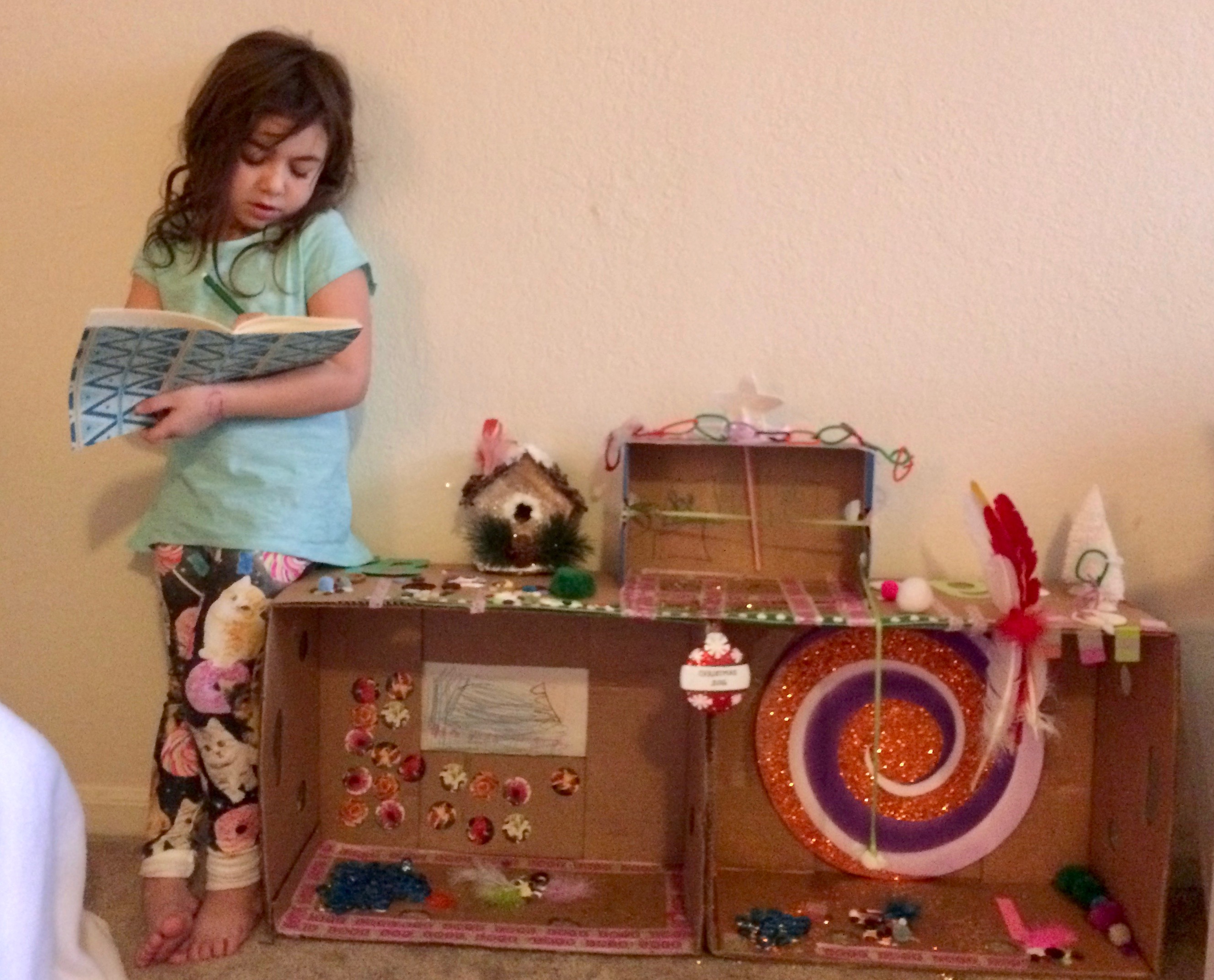
when grandie v and i
have finished building our indoor winter fairy village
with jewels and feathers and sparkles, a flower vine swing, love tape, and puff ball beds
it is very important to write about it and invite them to move in tonight.
—
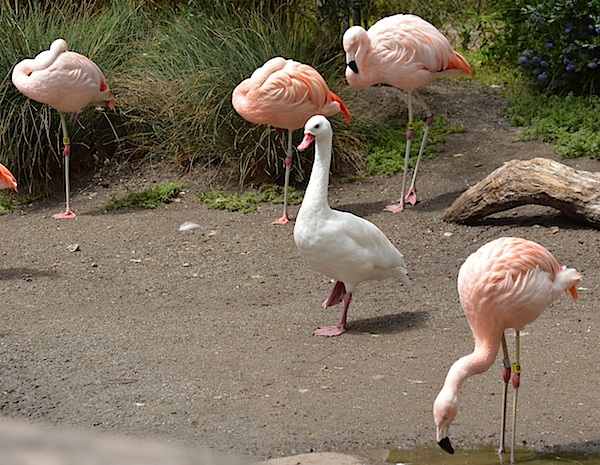
“when I sound the fairy call, gather here in silent meeting,
chin to knee on the orchard wall, cooled with dew and cherries eating.
merry, merry, take a cherry, mine are sounder, mine are rounder,
mine are sweeter for the eater, when the dews fall, and you’ll be fairies all.”
-emily dickinson
—
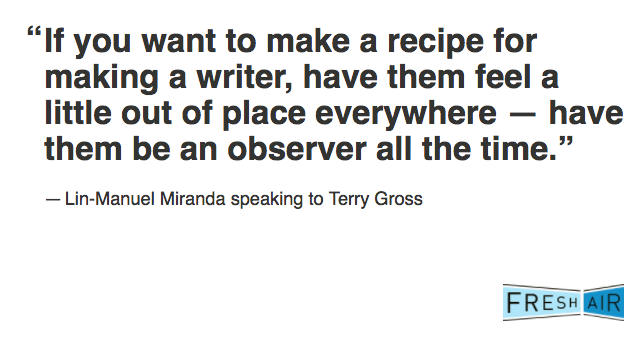
credits: terry gross – fresh air/npr radio, google images

The Historic Parisian Bookshop Where Aspiring Writers Can Spend the Night for Free
Shakespeare and Company opened its doors back in 1951, and ever since then, it’s hosted aspiring writers for free. And it’s not always just for a night, sometimes, guests stay for months, and they don’t have to pay a penny. The Parisian literary hub may be the only bookshop in the world of its kind.
More than 30,000 guests have stayed at the bookshop since American expat George Whitman opened it over six decades ago, and many of them have even gone on to become international best sellers.
Molly Dektar, who lived at Shakespeare and Company in January and June 2013, wrote about the experience: “I aimed to read a book a day but it wasn’t entirely possible. Still, the goal is spiritually important and should be taken seriously. One minute I was a visitor just like any other,” she added, “and the next minute I was welcomed in to this huge, historic community of writers and expatriates.”

Now, 65 years after the bookshop opened, the owner, Whitman’s daughter Sylvia, has released a memoir documenting its long history. Whitman was inspired by American expat Sylvia Beach, who owned a bookshop by the same name at another location, which existed between 1919 and 1941.
Beach’s bookshop had been a popular and frequent gathering place for legendary writers like Ernest Hemingway, F Scott Fitzgerald and T S Eliot. She had also been the first to publish James Joyce’s Ulysses in 1922.
Whitman had called his version of the bookshop a “spiritual successor” and it quick became the center of expat life in Paris for the book writing crowd. As he’d been the recipient of the generosity of strangers while traveling the world, he decided that he wanted to do the same for other travelers. Since the start, his store has hosted overnight guests he refers to as “Tumbleweeds.” Instead of paying for their stay, the “Tumbleweeds” are just required to help out in the shop for a few hours, write a one-page autobiography for the archives and “read a book a day.” Quite the deal!
While Whitman passed away five years ago, his daughter Sylvia is continuing to carry on the tradition and runs the bookshop with her partner, David Delannet.
Today, as many as six Tumbleweeds can sleep in the bookshop each night, but it now also hosts an adjoining cafe, a literary festival and a publishing arm of Shakespeare and Company, which just released a book on the history of the company.
Of the book, Delannet said, “This history offers readers a unique perspective on Paris, as well as an insight into the life of the literary traveler in the second half of the 20th century and a feel for a bookshop whose motto is ‘Be not inhospitable to strangers lest they be angels in disguise.'”
—
credits: earthables, molly dektar, buzzfeed
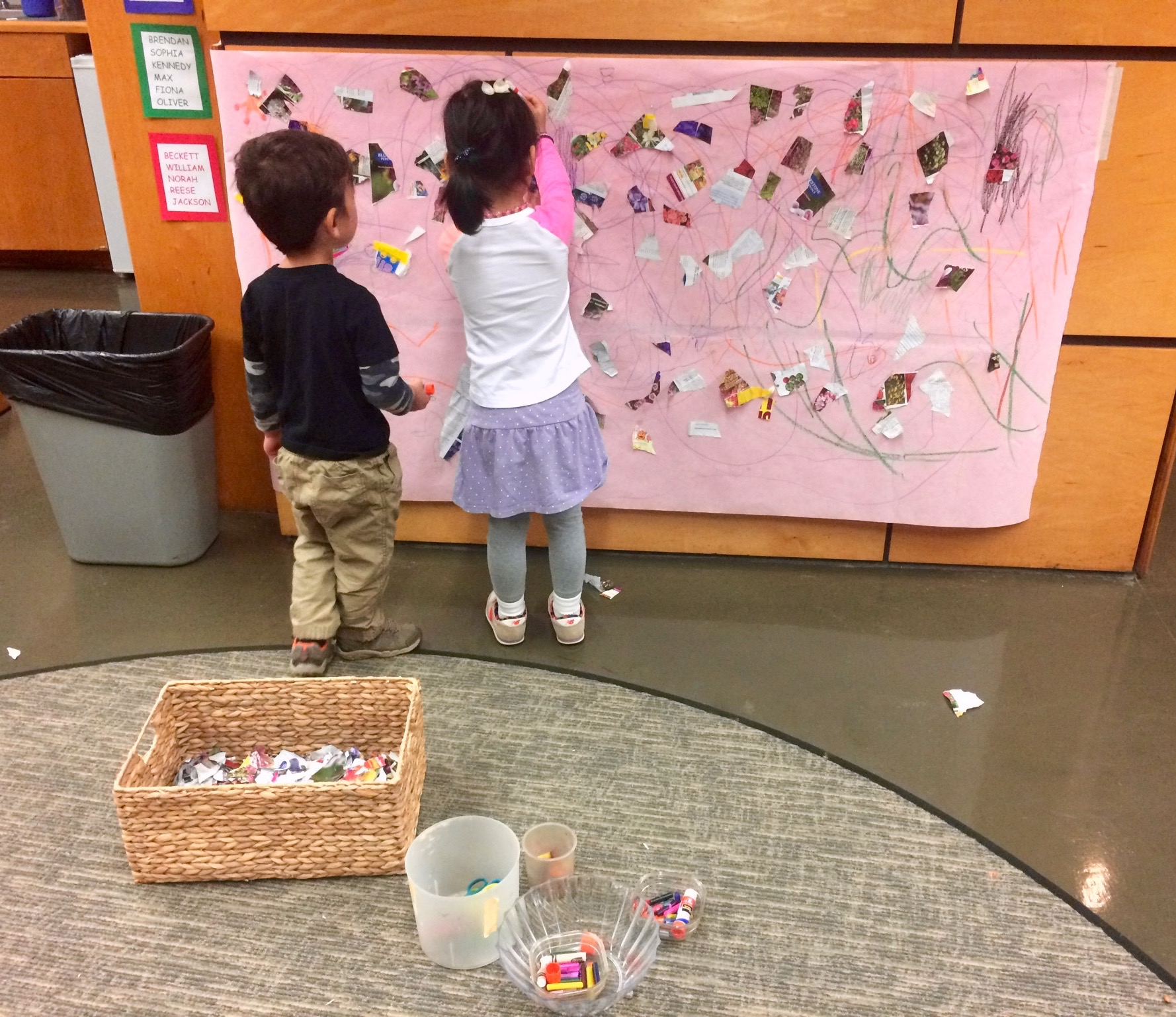
“most of us can read the writing on the wall;
we just assume it’s addressed to someone else.”
-ivern ball
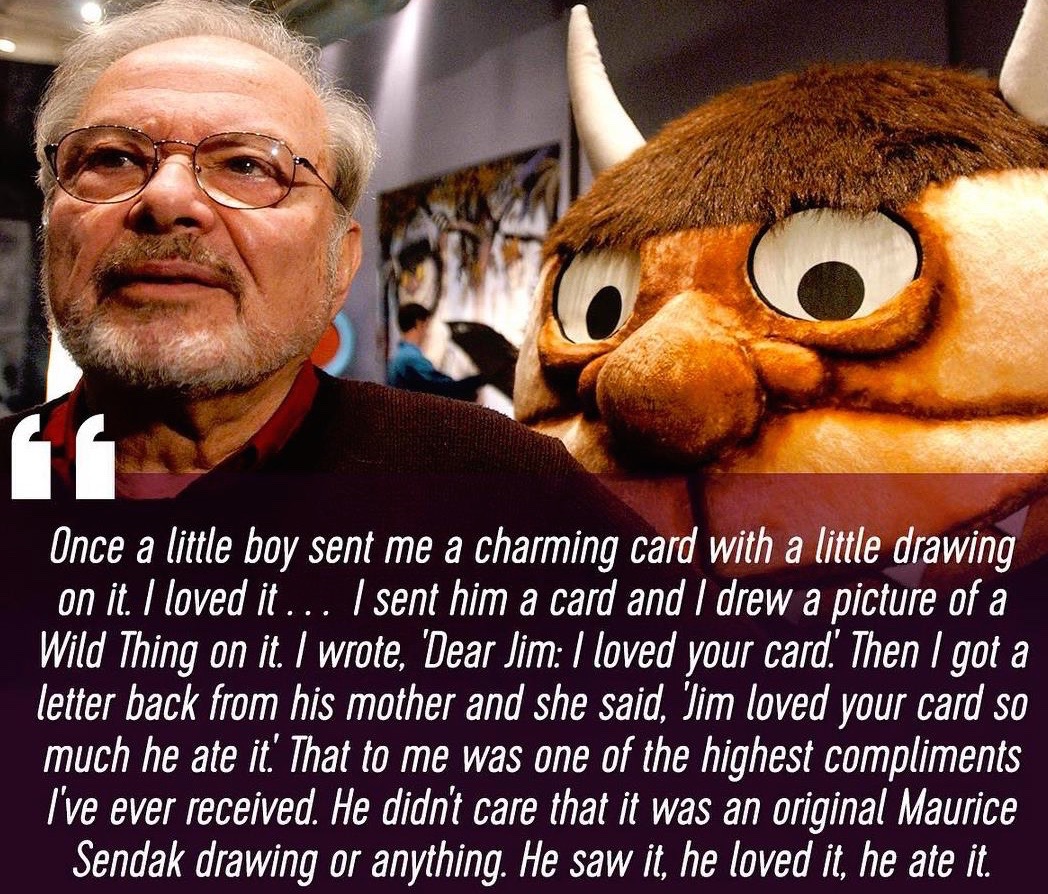
—
credits: getty images, mentalfloss.com
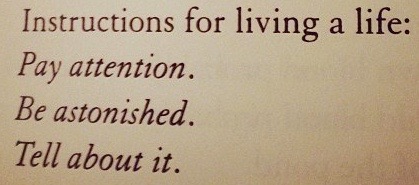
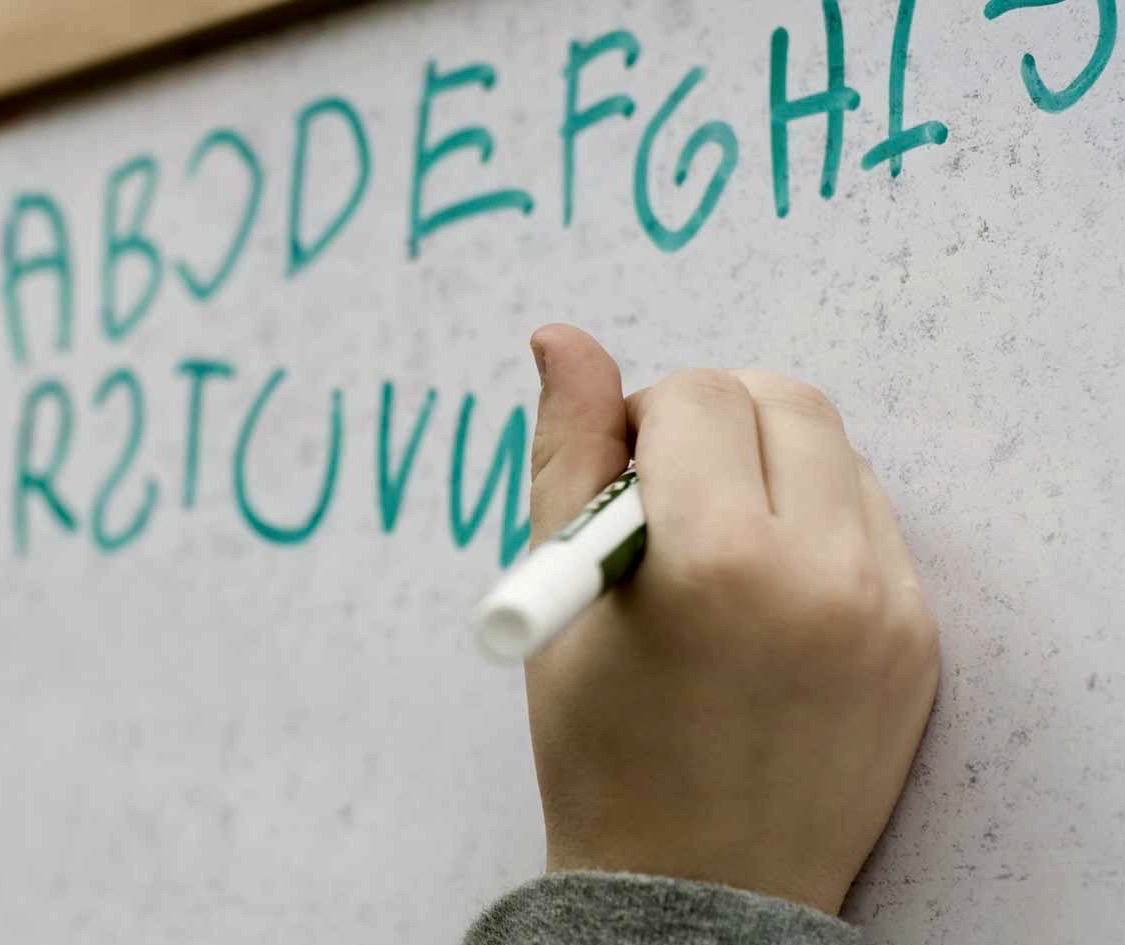
it amazing to watch
as the lightbulb goes on
and
the transformation begins
when
those who have long names
quickly learn
to adopt
a shorter nickname
that they suddenly really love
(but only when written down)
once they have to
go through the process
of writing it all out.
—
sebastian becomes ‘seb’
elizabeth becomes ‘liz’
anniston becomes ‘ana’
christian becomes ‘chris’
and then
there is always
the one
who gets caught up in the spirit of things
and
jumps on
the shortcut bandwagon
just because
like when
kim becomes ‘km’.
—
“working hard and working smart
sometimes can be two different things.”
-byron dorgan
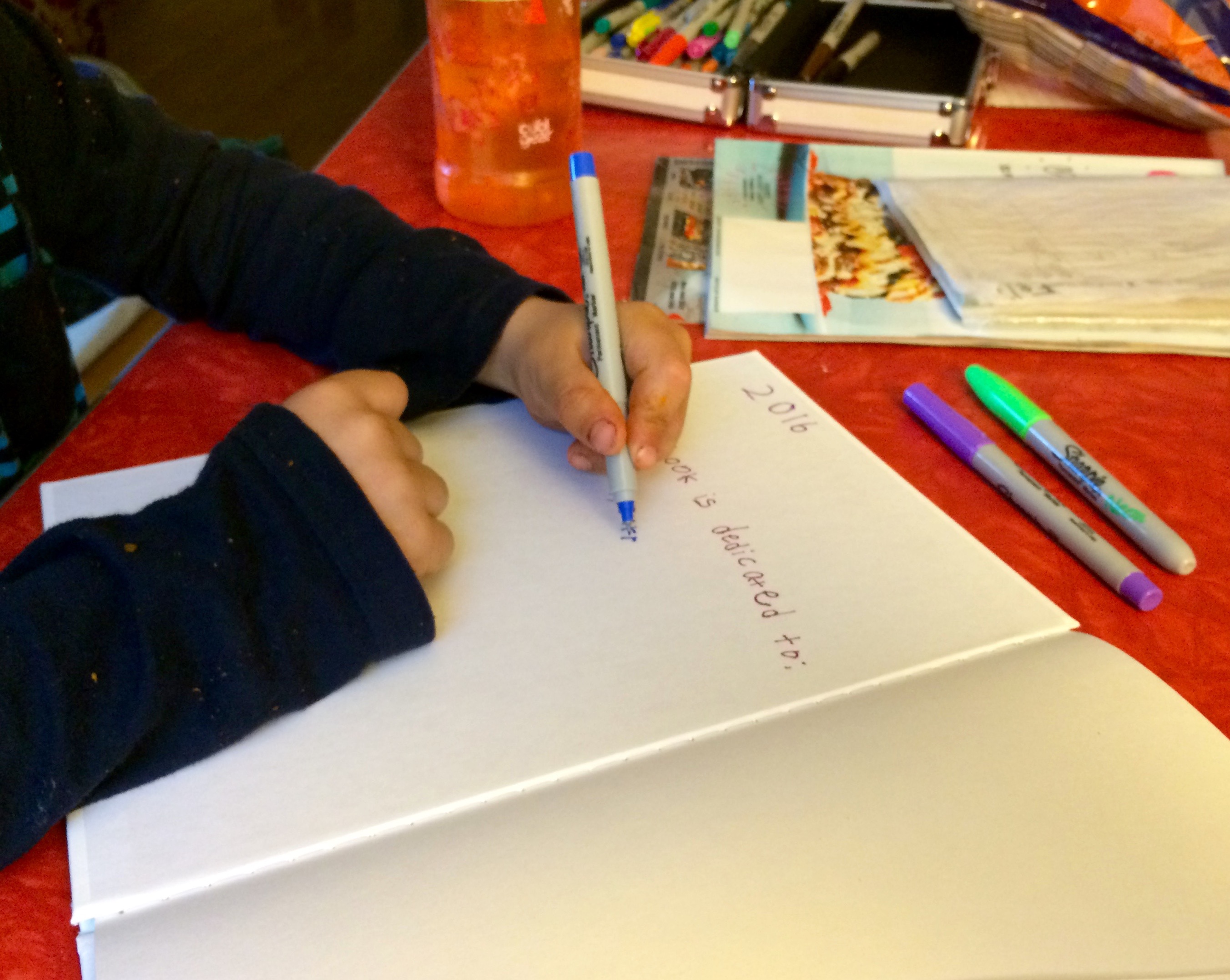
and
so it begins
writing a book with two of the grandies
we
have a story
and
have no idea
where it will go
the possibilities are endless
and
that is what makes it so exciting.
—
“writing is an exploration.
you start from nothing and learn as you go.”
-e. l. doctorow

today is the day.
my blog has grown
from one acorn of one word
into a forest of 1000 posts of all colors.
i am humbled
and thankful
for all of you
who have taken
the time
to
read
like
comment
share ideas
be featured
ask questions
and
offer your kind thoughts to me.
it has meant all the difference.
—
image credit: supersweet.org
 I didn't have my glasses on....