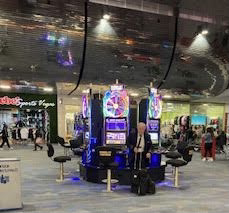
that moment when you see your pilot
looking a bit world weary
after taking a spin
on the last chance
wheel of fortune
before boarding the plane.
—
“confidence cannot find a place wherein to rest in safety.”
-virgil
that moment when you see your pilot
looking a bit world weary
after taking a spin
on the last chance
wheel of fortune
before boarding the plane.
—
“confidence cannot find a place wherein to rest in safety.”
-virgil
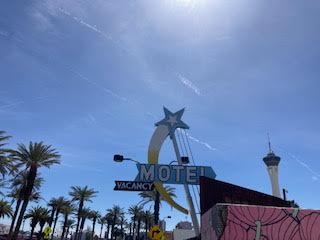
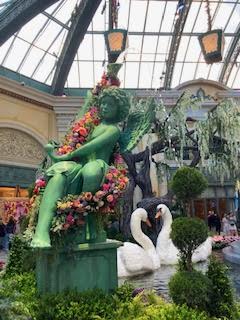
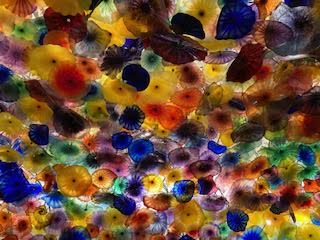
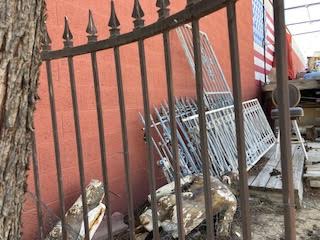
“the thing I love about vegas is there’s something for any type of mood you’re in
and something for any kind of adventure you seek out.”
-christina tosi

(united airlines 1st class – 747 flight in the 70s)
—
after booking an upcoming flight
i may have a few misplaced hopes and expectations
that this will be my experience in the air
—
“let your dreams outgrow the shoes of your expectations.”
-ryunosuke satoro

on this day in 1959, hawaii officially became the 50th state
always wanted to visit
but the closest i’ve come
is when i was young and my dad announced
he wanted to buy a little radio station in kauai
i quickly got ahold of a hawaiian dictionary
forced/encouraged the family to learn the alphabet during dinner
only to discover it was just a fantasy job wish for him
years later, as an adult
i took hula lessons with close friends
we were not good at it
got into the spirit of the dance
did not get asked to perform in hawaii
but we had a a blast
you never know
where and when this skill will come in handy
plus, it’s impressive on a resume
i’ve yet to make it to hawaii
only a matter of time
third time’s the charm
aloha!
—
“dare to dance, leave shame at home.”
(A’a i ka hula, waiho i ka maka’u i ka hale)
-hawaiian saying
—
art credit: vintage hawaiian poster

Born in 1960 to a Sicilian family living in Morocco and raised in France, Catalano became a sailor in his twenties. This nomadic lifestyle was a major inspiration for his work as an artist. The sculptures of Bruno Catalano, especially, Les Voyageurs show this influence. They delve into themes of travel, migration and journeying. Themes extend into exploring the ideas of home, belonging, loss and the experiences of a “world citizen”. Each statue carries a single suitcase, weighing them down, but also serving as their only means of support. Fascinating technically, artistically, and in its symbolism, the large omissions in the statues leave much to the imagination. Some figures appear to be fading away, while others materialize before our eyes. Contrary to the opinion that travel broadens and enriches, Catalano lamented that all his travels left him feeling that a part of [him] was gone and will never come back. ‘Fragments’ makes full use of this ethereal effect with three sculptures broken down to create one unit. The man looks fragile and delicately held together, losing more and more of himself till only his feet and bag remain.
—
“life is made of so many partings welded together.
-charles dickens
—
credits: Daily Art Magazine

reminiscing about my visit
to beautiful ireland
six years back, in july
how we found our way around the country
oh, we did a few turn-arounds here and there
as you can see above
but somehow we always ended up where we were going
eventually.
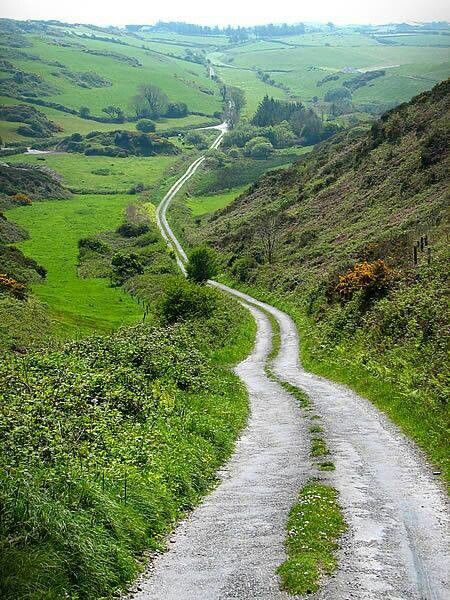
even with directions asked and kind answers given
regional accents, local advice, and lore
thrown in for good measure
it could be a challenge at best
‘”oh, just go over the hill for a bit, turn at the old barn, you’ll see a huge green field with hills, and some sheep, and then a pub, they don’t have the best sandwiches but stop in for a pint, say hi to seamus for me if you see him, he’s a good lad, he just had that one thing that wasn’t really his fault, and all is forgiven, and oh, don’t turn by the church, go past it, there’s no sign, but you’ll see a big rock where john’s shed used to be before it burnt down in that fire in ’79 when everything was so dry, and take a sharp turn there….” – and so on.
whether bumping along on a sheep path, sharing a two-way road with one lane, or driving half in a hedgerow
we found all the places we wanted to be
and discovered so many surprising and magical places along the way.

“going in the wrong direction, but making really good time.”
-cheri huber

i just love everything
about this 1955 michigan tourism poster
according to the map
it looks like ann arbor
is the place where you can dance.
—
“you live as long as you dance.”
-rudolf nureyev
—
poster source: michigan heritage and history
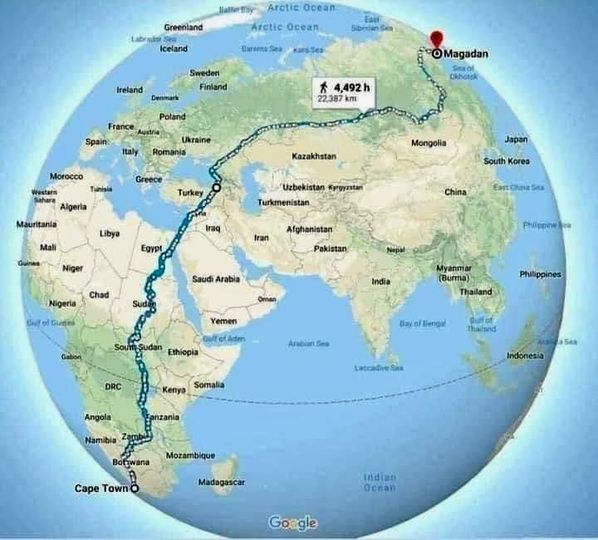
The longest road in the world to walk is from Cape Town (South Africa) to Magadan (Russia).
No need for planes or boats, there are bridges.
It’s 22,387 km and it takes 4,492 hours to run it.
It would be 187 days walking non-stop, or 561 days walking 8 hours a day.
The route passes through 17 countries, six time zones and all seasons of the year.
—
“all walking is discovery, on foot we take the time to see things whole.”
*-hal borland
*Harold “Hal” Glen Borland was an American author, journalist and naturalist. In addition to writing many non-fiction and fiction books about the outdoors, he was a staff writer and editorialist for The New Yorker.
—
credits: united humanists
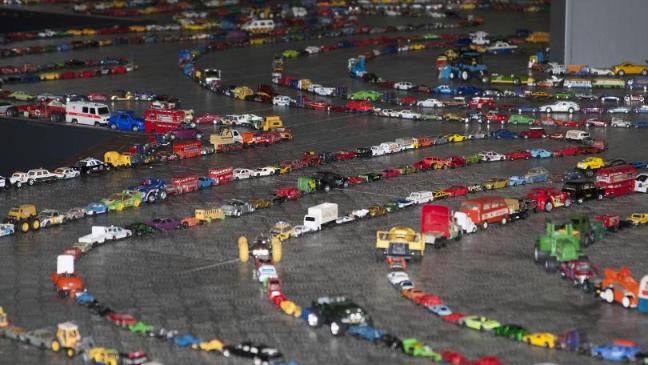
safe travels.
—
“if all the cars in the united states were placed end to end,
it would probably be labor day weekend.”
-doug larson
—
image credit: national toy museum (record for world’s longest line of toy cars)
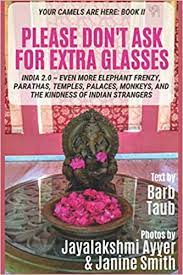
it is my great pleasure to introduce you
to humor writer and fellow blogger Barb Taub’s latest book
PLEASE DON’T ASK FOR EXTRA GLASSES
it’s a rollicking tale of friendship, fun, travel to India adventure and misadventure
all taken with a tiny grain of salt and huge dose of humor
it’s a wonderful multi-cultural mashup of history, color photos,
travel tips, shopping advice, food suggestions, language and negotiation skills,
and chock full of ‘I wish we’d known that/what not to do lessons’
even if you never plan to travel to India, you’re sure to enjoy this read.
—
“she generally gave herself good advice, though she very seldom followed it.”
-lewis carroll

