“history is nothing if not an epic tale of missed opportunities.”
-graydon carter
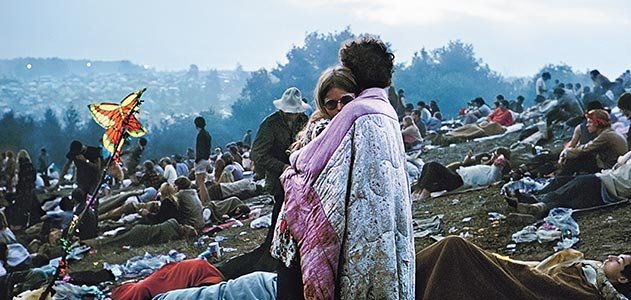
a woodstock moment – 40+ years later
—
on a whim, a young duo went to the legendary festival
only to be captured in a memorable image
two in half a million:
bobbi kelly and nick ercoline greet the dawn
on august 17, 1969.
—
“this is the way to hear music, i think,
surrounded by rolling hills and farmlands, under a big sky.”
― uwe michael lang, The Road to Woodstock
—
credits: burk uzzle (photo), life magazine, tim dumas, smithsonian magazine
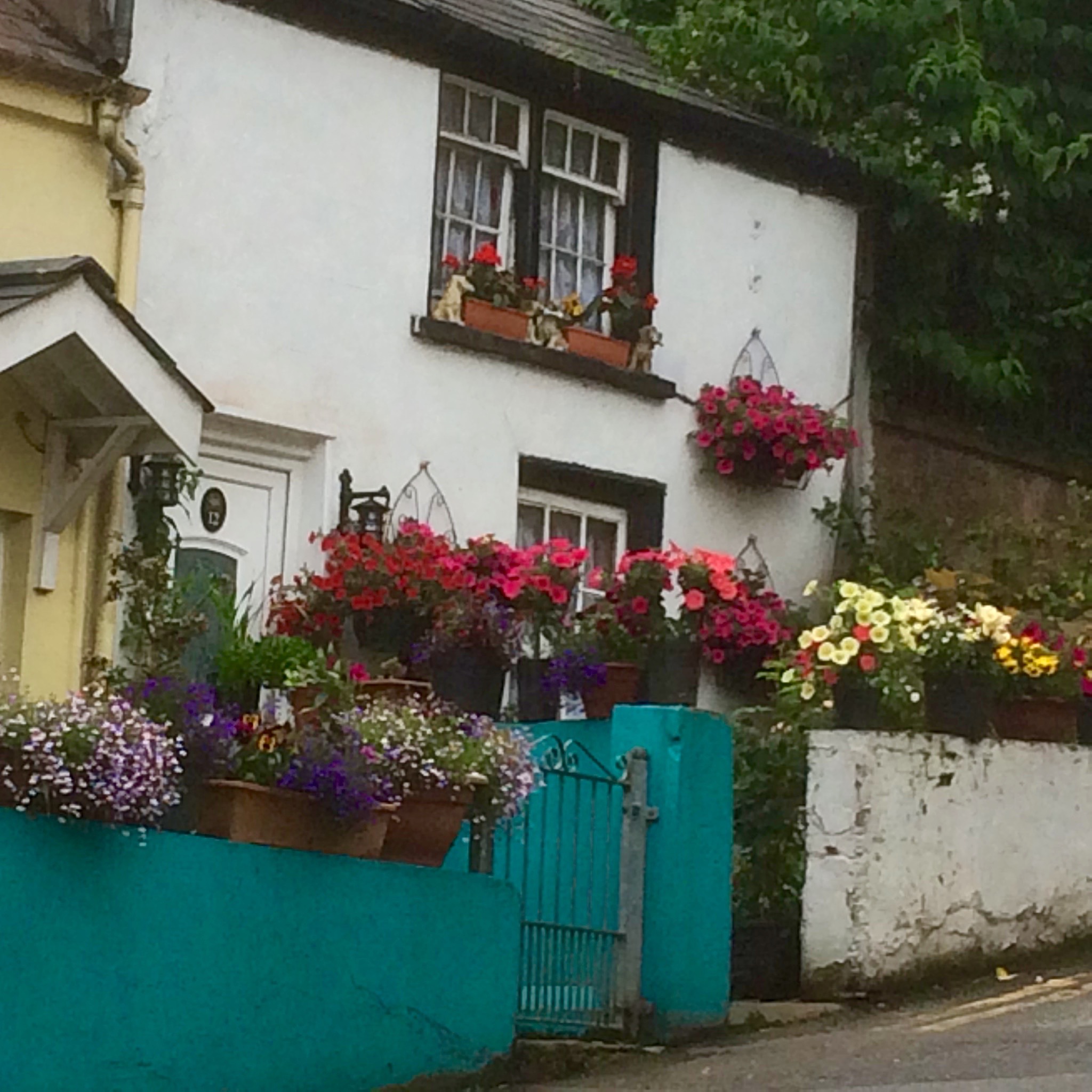
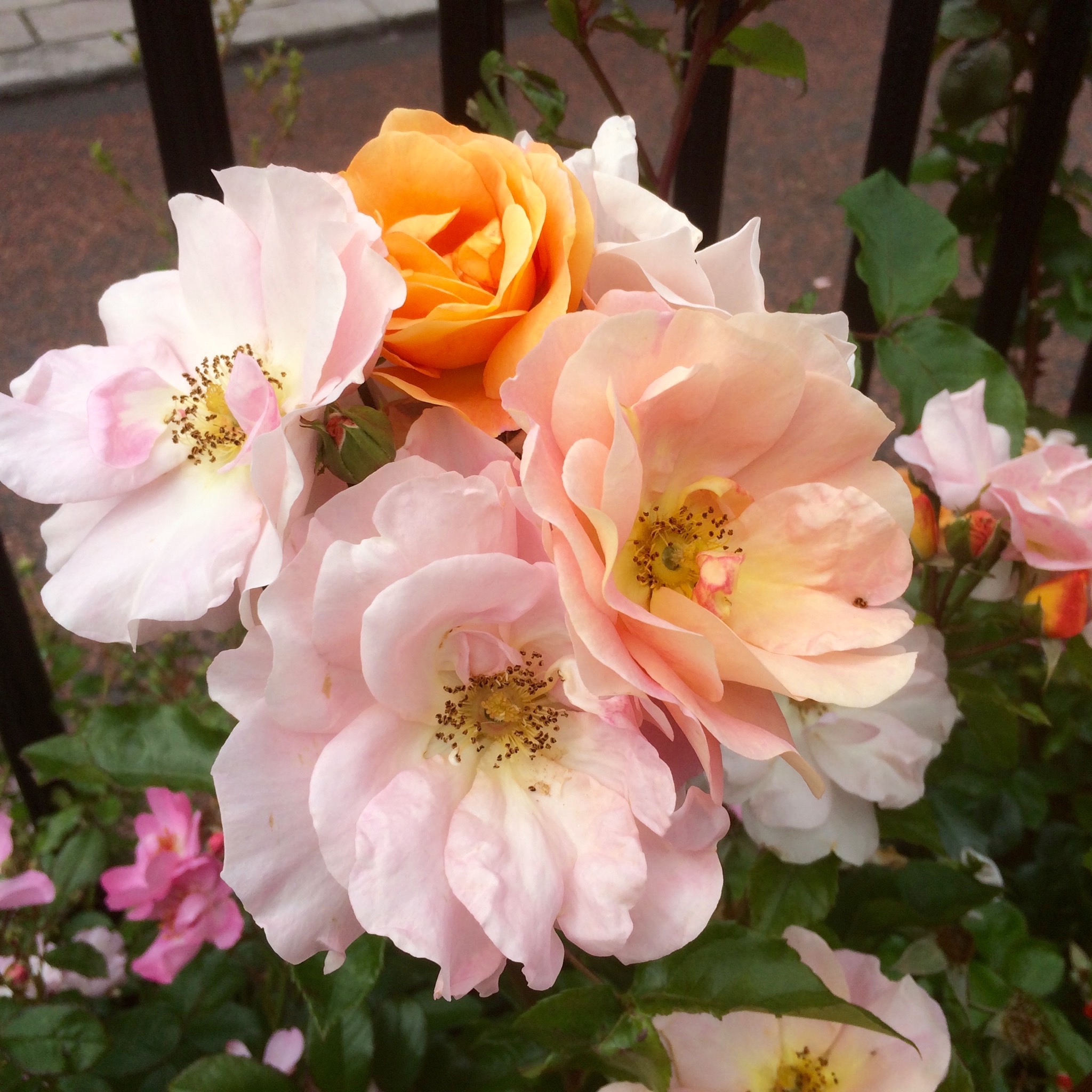
our street in cushendall
filled with flowers
and friendly locals
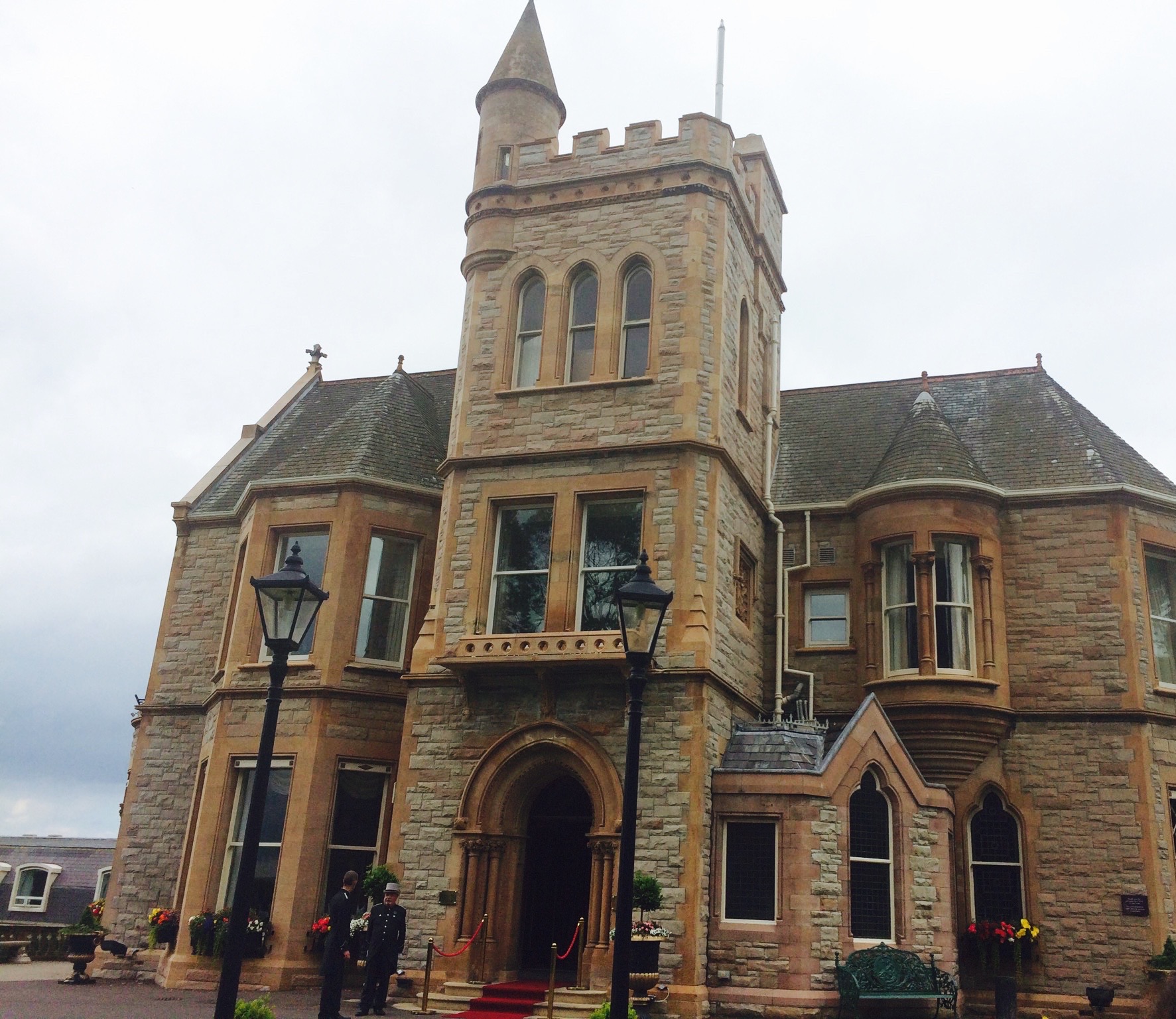
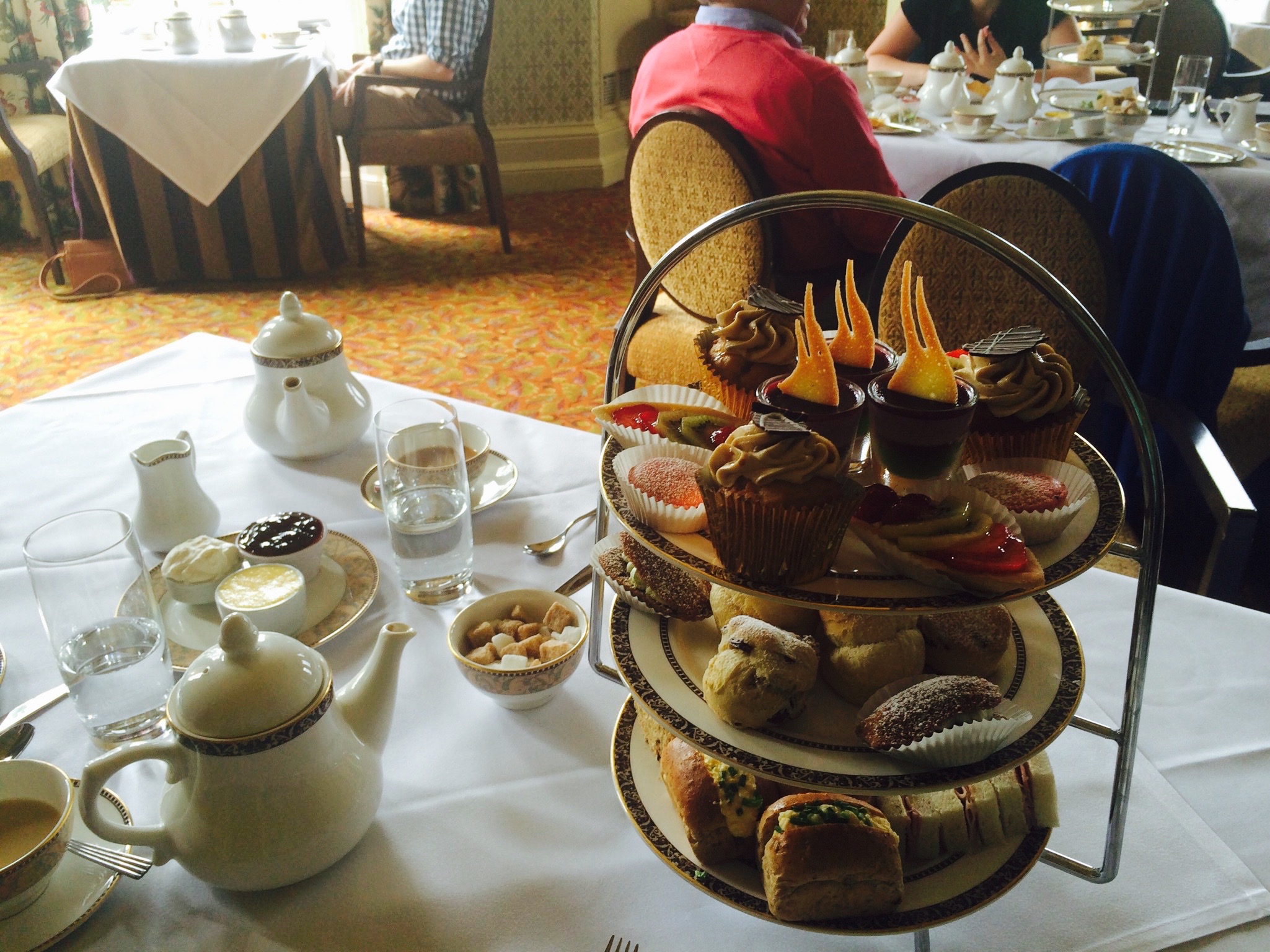
high tea at culloden estate filled with tradition and treats
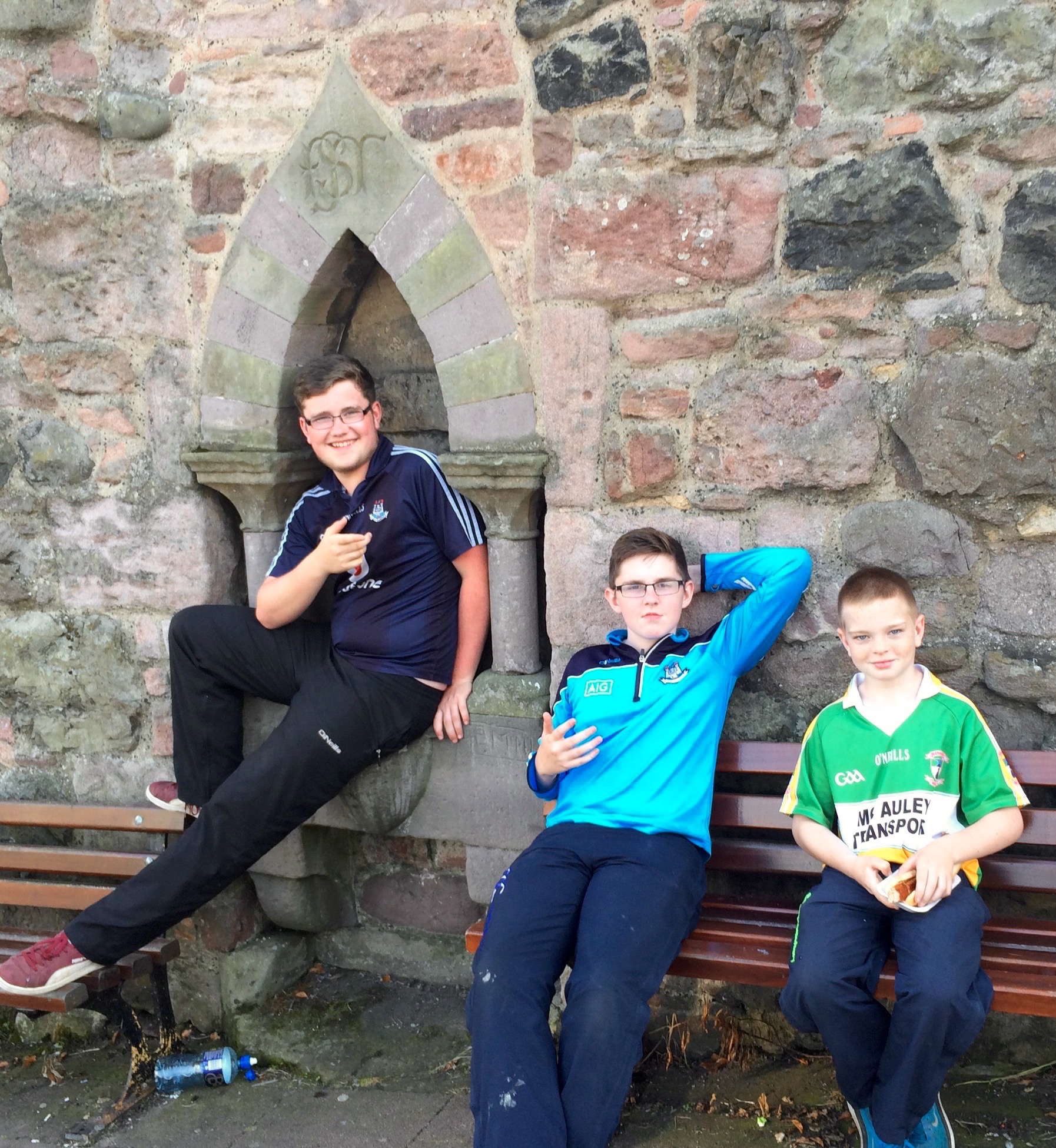
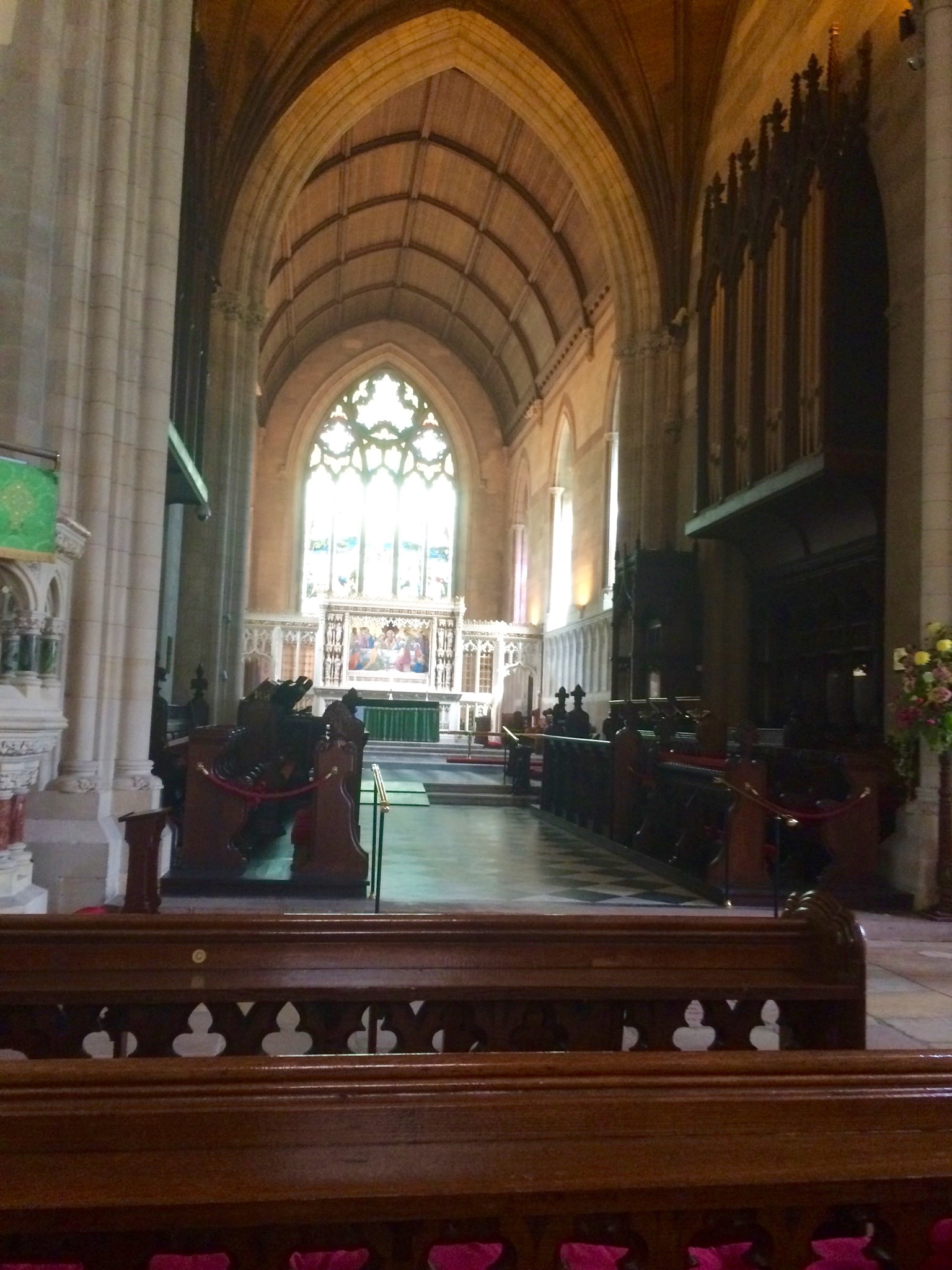
st. patrick’s cathedral in armargh
filled with flowers and family roots
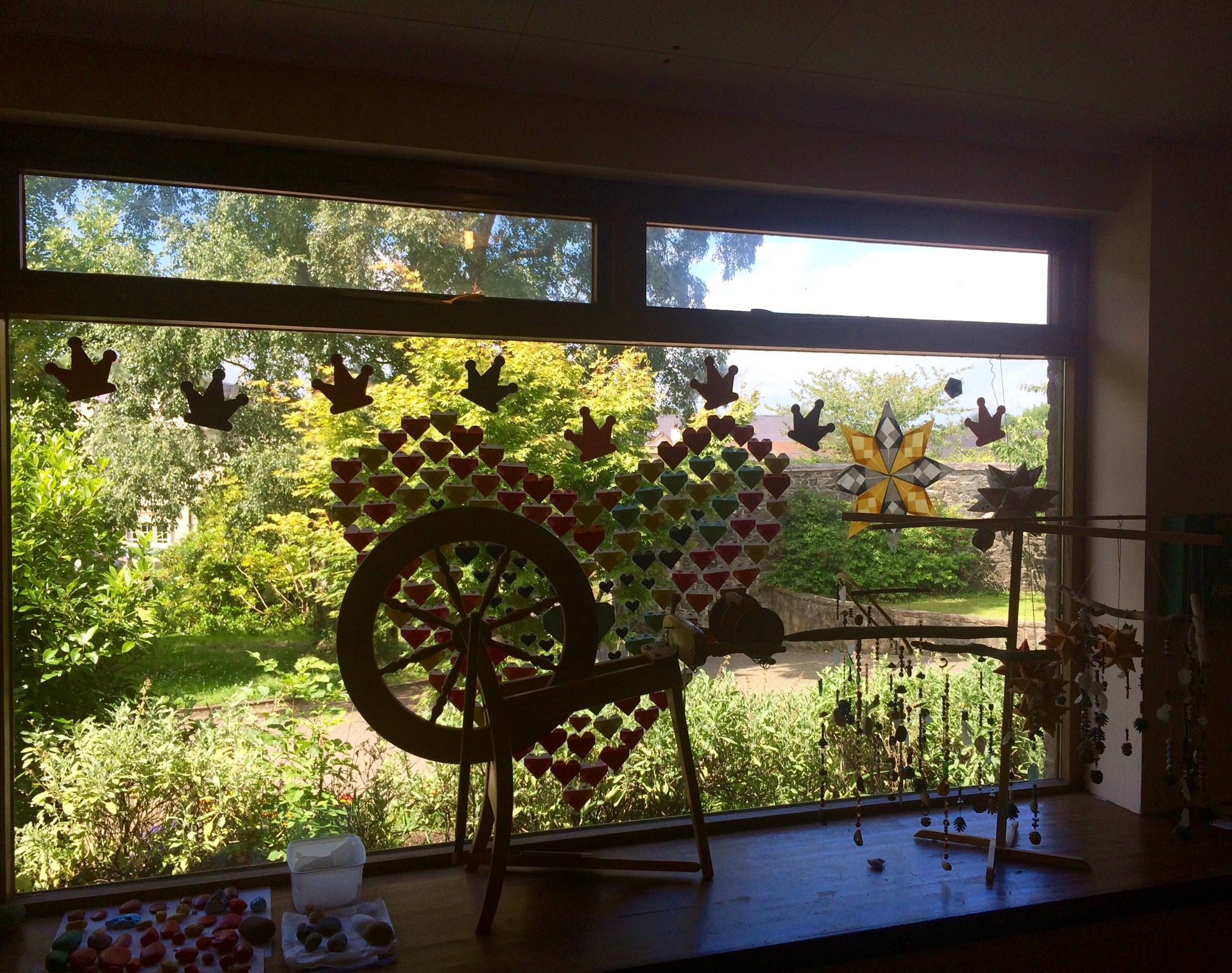
glencraig school and community
for developmentally challenged people of all ages
filled with caring and compassion
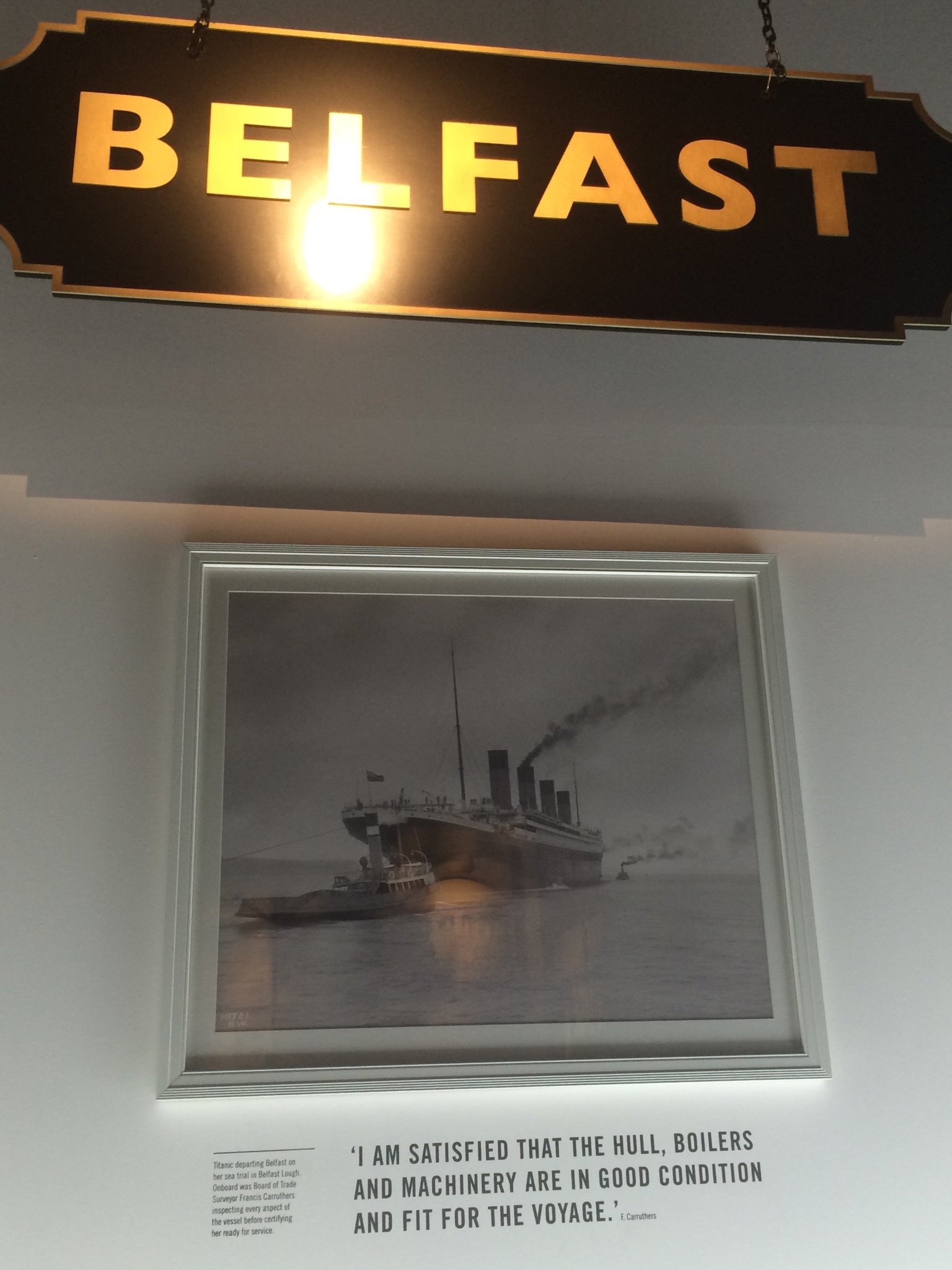
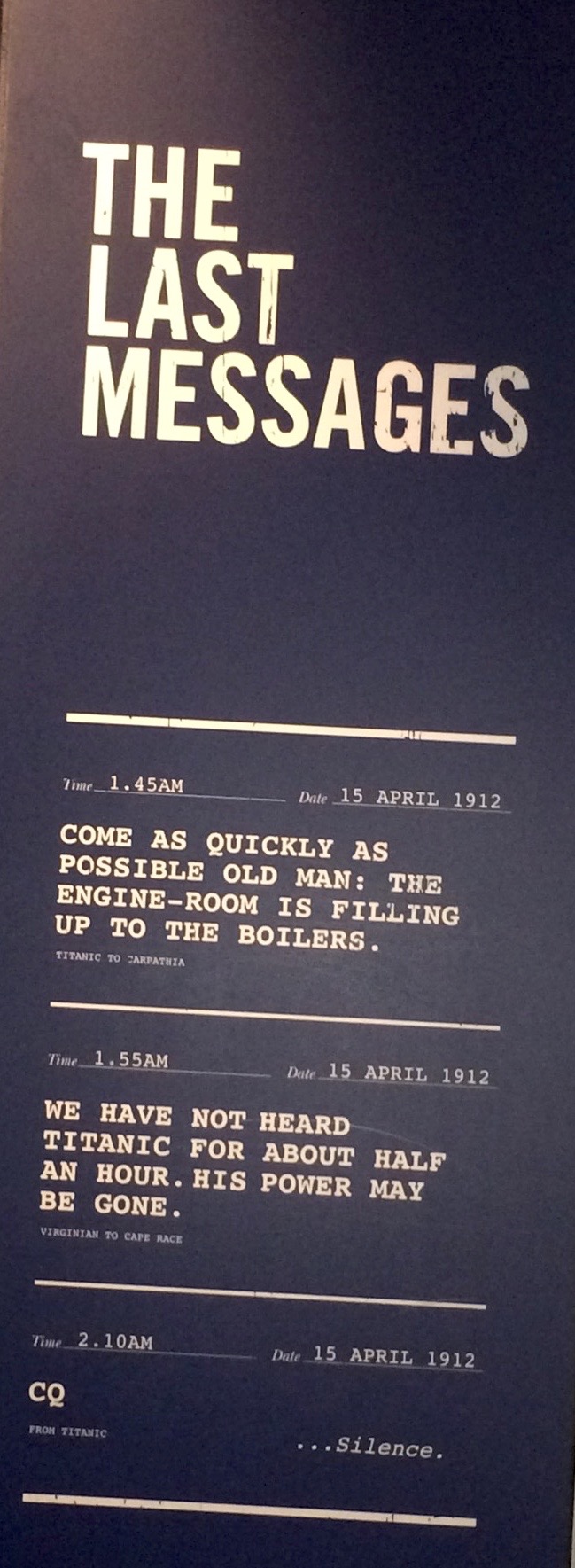
titanic exhibit in belfast
filled with history, heroics, love, and loss
—
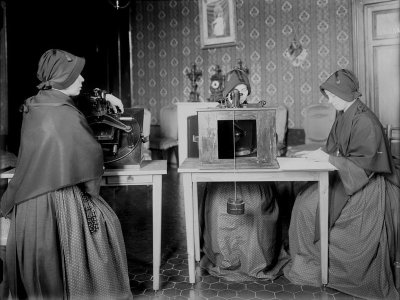
Astronomy Nuns
Sisters Emilia Ponzoni, Regina Colombo, Concetta Finardi and Luigia Panceri mapped the positions and brightness of 481,215 stars.
—
These Little-Known Nuns Helped Map the Stars.
A century later, the identities of women who mapped over 481,000 stars are finally known.
The history of astronomy is riddled with underappreciated women who looked to the stars long before their scientific contributions were recognized. But the constellation of early women astronomers is glowing brighter, writes Carol Glatz for Catholic News Service, with the recognition of four once nameless nuns who helped map and catalog half a million stars in the early 20th century.
Glatz reports that the nuns, Sisters Emilia Ponzoni, Regina Colombo, Concetta Finardi and Luigia Panceri, were recruited by the Vatican to measure and map stars from plate-glass photographs. They cataloged the brightness and locations of a whopping 481,215 stars during their years of diligent work. Photos of the nuns had appeared in books about the history of astronomy, but the identity of the women was not known—and their accomplishments not recognized—until now.
Their years of labor were finally acknowledged when Father Sabino Maffeo, a Jesuit priest who works at the Vatican Observatory, found their names while organizing papers for the archives. Today, the project to which the nuns contributed is as obscure as the nuns themselves, but at the time it was one of the largest scientific undertakings in history.
In April 1887, 56 scientists from 19 countries met in Paris to embrace a new discipline: astrophotography. Their plan was a bold one—use 22,000 photographic plates to map the entire sky. The work was split up among institutions across Europe and the United States, including the Vatican Observatory. Each institution was given a particular zone of the sky to map and categorize.
At the time, male astronomers often relied on women to serve as their “computers.” The men would direct the project, but behind the scenes, women did the labor-intensive processing, cataloging and calculating for low wages. Famously, Harvard Observatory director Edward Charles Pickering hired “Pickering’s Harem,” a group of bright young women, to do his share of the star cataloging. Also known as “the Harvard Computers,” these women, formidable astronomical minds in their own right, were only recently acknowledged for their contribution to science.
And what a contribution—the project resulted in he Astrographic Catalogue, a 254-volume catalog of 4.6 million stars. The star atlas called the Carte du Ciel was only halfway finished by the time astronomers stopped working on it in 1962. Though the atlas project was destined to fail, the catalog became the basis of a system of star references that is still used today.
Though the women didn’t end up counting all of the stars, perhaps one day history will do a better job of counting the women whose diligent work helped map out the starry skies.
—
credits: smithsonianmag.com, flikr
the only remaining incan rope bridge
the Q’eswachaka rope bridge, suspended over the apurímac river in peru, is a piece of living history. it is the last of the rope bridges that once connected the incan road system, and dates back about five centuries. rebuilt from twisted cords of grass by residents each year, it is a piece of history that is not only still in use, but regularly renewed.
the bridge—spanning 118 feet and composed of local grasses—is remarkably sturdy: it can hold thousands of pounds of tension. but perhaps the most remarkable thing about the Q’eswachaka is the local community’s ongoing dedication to keeping it in working order.
the bridge, though strong, only has a lifespan of one to two years before it begins to weaken. since the structure was first built nearly half a millennium ago, residents of nearby towns have fastidiously rebuilt it hundreds of times. they continue to rebuild it to this day, with each family contributing some 90 feet of rope.
—
“true belonging is born of relationships not only to one another
but to a place of shared responsibilities and benefits.
we love not so much what we have acquired
as what we have made and whom we have made it with.”
—robert finch
—
credits: atlas obscura, anna green, mental floss

happy national tv dinner day!
so much fun and so easy!
on christmas 1968, the apollo 8 crew feasted almost just like home on frozen tv dinners. mini bottles of brandy were included but they opted out to play it safe – no space hangovers, and left them unopened.
—-
credits:
adweek, smithsonian.com, banquet, swanson foods,mental floss
as of today
looks like i share this special number with some very diverse company:
fireworks, guns, comedians, romantic skeletons,
piles of poop,
knights, and the religious right
who could ask for more?
—
700 AD Chinese Invent Gunpowder–
The Chinese combined saltpeter, sulpher, and carbon to create gun powder. The Chinese used gun powder primarily for fireworks.
700-Year-Old Skeletons Found Holding Hands –
For one medieval couple, “till death do us part” wasn’t nearly long enough. A team of archeologists excavating the Chapel of St. Morrell in England’s Leicestershire County recently discovered two skeletons buried with their arms entwined. Believed to be a destination for pilgrims in the 14th century, the chapel was “lost” for centuries before being rediscovered by a local historian.
Barrels of 700-year-old poop found in Denmark –
Archaeologists excavating I. Vilhelm Werners Square in Hans Christian Andersen’s hometown of Odense, Denmark, are delighted to have found barrels full of medieval excrement. Poop is a boon to modern archaeology because it can tell us more about the daily lives of past people than golden treasures, and this particular poop is very well preserved thanks to having been buried in an oxygen-poor environment.
700-Year-Old William Wallace Letter Finally Reaches Scotland –
Few traces remain of Scottish hero William Wallace, the medieval knight who fought against English oppression until his 1305 execution and later inspired the 1995 blockbuster “Braveheart.” Now, after spending the last seven centuries in England, one of two surviving documents associated with the legendary warrior will go on display this August at the Scottish Parliament.
The Remington 700 –
When Remington introduced the Model 700 in 1962, advertising it as “the world’s strongest bolt action,” sales were swift and immediate. Its good looks, light recoil, and strong accuracy for the money, combined with Winchester’s move to a push-feed action in 1964, put the 700 on a path to dominance.
700 Sundays (2014) –
In 700 Sundays, legendary comedian and actor Billy Crystal tells the stories of his youth, growing up in the jazz world of Manhattan, his teenage years, and finally adulthood.
The 700 Club (1966– ) –
Television talk show dedicated to bringing stories, guests, news, and much more from a Christian perspective.
—
credits: the history channel, wordpress.com, entertainment channel
THE SPARTANS ON CALLING AN ENEMY’S BLUFF: “IF.”
Philip II of Macedon was the father of Alexander the Great. His son would one day conquer the (known) world, but Philip got things started by conquering all the city-states of ancient Greece. Well, almost all. Sparta, on the southernmost tip of the land Philip sought to control, was a strict military culture known for its brutal martial prowess.
In 346 B.C, Philip sent a message to intimidate the Spartans. “You are advised to submit without further delay, for if I bring my army on your land, I will destroy your farms, slay your people and raze your city.” The term “Laconic wit,” comes from the Spartan region Laconia.
The Spartans employed it to great effect with their one word response to Philip: “If.”
Philip never attempted to conquer Sparta.
through the generations, murdick’s fudge on mackinac island
has been recognized as an iconic michigan favorite.
—
with 17 fudge shops on the celebrated historical mackinac island of michigan,
all offering free samples,
there is an ongoing rivalry between 6 rival companies,
each claiming to be the best.
my suggestion is to try them all to make it a fair contest
and decide for yourself.
—

mackinac island fudge festival | august 21-23, 2015
while fudge was not invented on mackinac island, mackinac island’s fudge has become the most popular fudge in america. this festival celebrates the creamy goodness with events such as Dining Under the Influence of Fudge, Fudge on the Rocks, Michigan Craft Brew Beer Tastings, Great Turtle Slow Ride and the coveted “Daddy, I Want the Golden Ticket” vacation giveaway.
happy national fudge day – june 16
—
save the earth. it’s the only planet with chocolate. ~author unknown
MACKINAC ISLAND
Covering 3.8 square miles, Mackinac Island is located in Lake Huron at the eastern end of the Straits of Mackinac, between Michigan’s Lower and Upper Peninsula. It is only accessible by ferry or plane. • The island was home to Native American settlements before European exploration began in the 1600s.
It also was a key site for the Great Lakes Fur Trade and was home to Fort Mackinac, built by the British during the American Revolutionary War. It was the scene of two battles during the War of 1812. In the late 19th century, the island became a popular tourist destination and summer colony, and that popularity gets stronger by the summer.
The entire island is listed as a National Historic Landmark. Battle sites, historic buildings, the fort, and dozens of additional diversions, including Original Murdick’s Fudge, entertain visitors.
Because automobiles were banned from the village in 1898, and from the park in 1901, on-island transit is by foot, horse, carriage and bicycle.
—
image credits: mackinacisland.com, originalmurdicksfudge.com, michigan.com