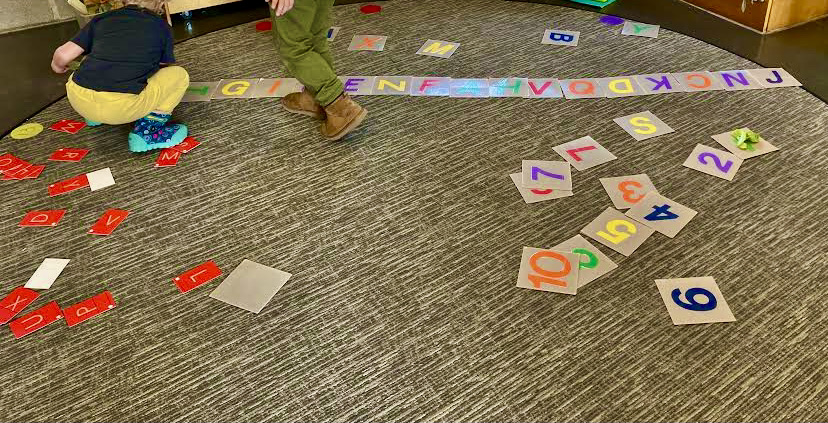
“what does our word say?!!”
(two kinder working together in my multi-age classroom, one older, one younger)
—
“learning is creation, not consumption.
knowledge is not something a learner absorbs,
but something a learner creates.”
-george couros
“what does our word say?!!”
(two kinder working together in my multi-age classroom, one older, one younger)
—
“learning is creation, not consumption.
knowledge is not something a learner absorbs,
but something a learner creates.”
-george couros

*Jean Piaget (1896-1980) in his office.
Shout out to all those who didn’t tidy their office before the start of the school year.
—
“simple solutions seldom are. it takes a very unusual mind to undertake analysis of the obvious.”
-alfred north whitehead
—
*Piaget’s (1936) theory of cognitive development explains how a child constructs a mental model of the world. He disagreed with the idea that intelligence was a fixed trait, and regarded cognitive development as a process which occurs due to biological maturation and interaction with the environment.
—
credit: modern language association


how to fit 4 kids and 1 log into 1 boat and get 2 to paddle it to make it move ahead?
use the trial and error and figure it out as you go method.

“if you wait to figure out everything before starting anything, it’ll never happen.”
― d
—
glen lake, glen arbor, michigan, usa – summer 2021
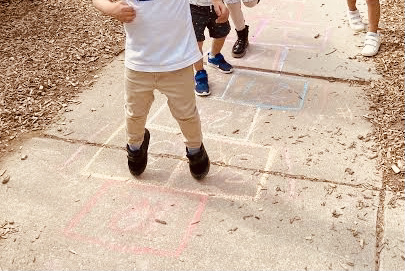
r figures out a way to play hopscotch
—
“learning sleeps and snores in libraries, but wisdom is everywhere, wide awake, on tiptoe.”
-josh billings

have you ever touched a rainbow?
it’s pure magic.
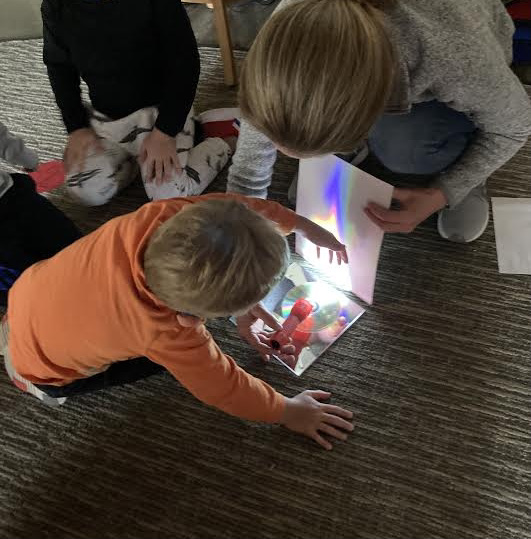
“and as he spoke of understanding,
i looked up and saw the rainbow leap with flames of many colors over me.”
-Black Elk

why oh why does our paper fly?

we’ll try over and over and over again
until we find out why.
—
“learning never exhausts the mind.”
-leonardo da vinci
as i worked on report cards over the last week
putting together my notes
gathering my thoughts
sharing my stories
telling their stories
i was reminded
that each child
has
their own gifts
their own challenges
yet each shares
without fail
a curiosity
a sense of wonder about the world
a desire to learn
and does so
in their own way.
—
“Do not train children to learn by force and harshness,
but direct them to it by what amuses their minds,
so that you may be better able to discover with accuracy
the peculiar bent of the genius of each.”
-Plato
—
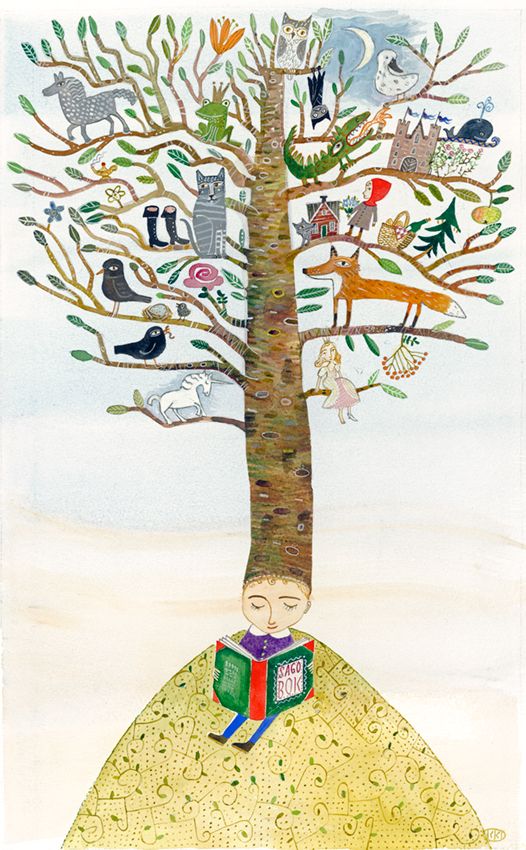
image credit: Radhusets Julkalender 2012 – Arte del libro, Arte dell’illusrazione
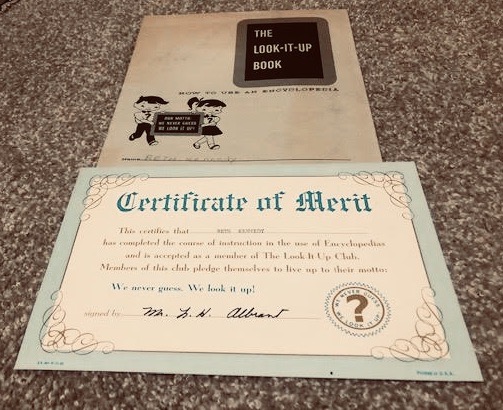
so proud to be a member from way back
of the ‘look it up club’
i was very shy and quiet
but once i learned to read
the world opened up to me
i ‘mastered’ the encyclopedia
and never stopped looking things up.
—
“true merit, like a river, the deeper it is, the less noise it makes.”
-edward wood, 1st Earl of Halifax

RIP to *Sir Ken Robinson, an eloquent and indefatigable defender of the role of the arts and creativity in education. His TED talks made him world-famous—his presentation called “Do schools kill creativity?” remains the most popular TED talk of all time, and he wrote widely, including major books on creativity in 2001 and 2015. Robinson was knighted in 2003 for his distinguished career in service to the arts. He was a staunch critic of standardized tests and compliance-based classrooms, and an unapologetic champion of every kind of creative endeavor—from theater, to music, film, painting, dance, and everything in between. He died peacefully yesterday at the age of 70, after a brief battle with cancer, surrounded by his family. His voice will be greatly missed. – Edutopia
“the answer is not to standardize education,
but to personalize and customize it to the needs of each child and community.
there is no alternative. there never was.”
-Sir Ken Robinson, (one of my heroes in the field of education)
*Sir Ken Robinson was an author, speaker and international advisor on education in the arts to government, non-profits, education and arts bodies.
—
credits: edutopia, pbs.org

(not me, but a puppy who has my dream hair color and is comfortably wearing earbuds)
—
that aha moment
when after 62 years and some months
your ear buds once again fall out when walking
you have your glasses on
you look down before trying to put them back in
you notice that earbuds are marked ‘r’ and ‘l’ for right and left
that they are meant to go in the corresponding ears
you realize that you actually do have ear canals
and there is a way to ensure they will not continue to fall out every 3.5 minutes.
—
“the “aha” moment is a validating experience for your efforts
and at the same time changes your paradigm of the world in favor of a more accurate one.
Campbell simply says “it wipes out the ego.”
― R
—
image credit: pinterest
 I didn't have my glasses on....